Funky 4 + 1

Hip Hop
Trap
 Viberate Rank: 197680
 Viberate Rank: 197680
 Monthly ListenersFollowers
 Subscribers
 Followers
 Followers
 FansTop Spotify Songs
| Track | 7-Day Streams | |
|---|---|---|
1 | 6.52K | |
2 | 132 | |
3 | 109 | |
4 | 107 | |
5 | 60 |
Top YouTube VideosMonthly ListenersFeatured in Playlists| Playlist | Followers | |
|---|---|---|
1 |  Fidi & Bumsi Spotify | 353.23K |
2 |  Rolling Stone Magazine - 500 Greatest Songs of All Time (2024) Henrik B. Hansen | 40.09K |
3 |  Every Track Star* Song Track Star* | 36.85K |
4 |  Rolling Stones 500 Greatest Songs (2024) Jesper Lervad Pedersen | 31.02K |
5 | Rap Old School hugo_2k | 25.58K |
Audience| City | Monthly Listeners | |
|---|---|---|
1 |  | 422 |
2 | | 265 |
3 | | 227 |
4 |  | 222 |
5 | | 217 |
See full performance history, audience data, playlist activity, rankings, comparisons, and more in Viberate music analytics. Start with a free trial, then continue with a paid plan.
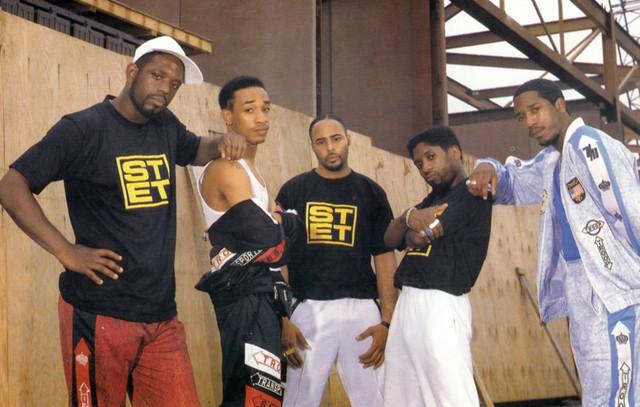
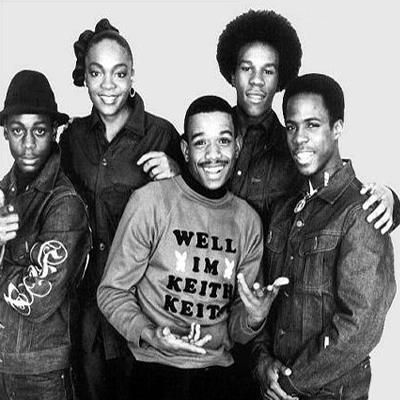
Funky 4 + 1’s Spotify BioFunky 4 + 1 were one of the first hip-hop groups that contained a female MC and were certainly the first group of their kind that released records commercially. Further, the group were the among the first wave of Bronx crews to release records after the initial success of the Sugarhill Gang in 1979. The Funky 4 consisted of DJ Breakout, K.K. Rockwell, Keith Keith, Lil' Rodney Cee, Jazzy Jeff, and the "plus one" -- Sha Rock. Among DJ Breakout's peers in the early to mid-'70s were such hip-hop pioneers as DJ Kool Herc, Afrika Bambaataa, and Grandmaster Flash. In fact, one of the earlier members of the Funky 4 -- Raheim -- left to join Grandmaster Flash & the Furious Five, who was replaced by Lil' Rodney Cee. A unique aspect of the group was that Sha Rock wasn't portrayed as a sex object but was more or less considered equal among the male members of the group. Aside from the minor success of the all-female Sugarhill Records rap crew Sequence, Funky 4 + 1 signified the last moderate… success of a woman in the rap industry until Roxanne Shanté and Salt-n-Pepa came along in the mid-'80s. Aside from the novelty of having a woman in their ranks, they are one of the most influential but overlooked old-school hip-hop groups -- having been sampled by a wide assortment of later hip-hop artists including the Beastie Boys (on their Paul's Boutique record). Along with Grandmaster Flash, they began recording 12" singles for Enjoy Records -- releasing what is considered the longest rap song ever: "Rappin and Rocking the House" (at over 15 minutes, it outlasts the lengthy "Rapper's Delight"). After they grew displeased with what they considered to be Enjoy's poor distribution, they followed Grandmaster Flash to the Sugarhill Records label. There they cut the all-time classic "That's the Joint" but never went on to release a full-length record. After only moderate success, the group went their separate ways in the early '80s with Lil' Rodney Cee and K.K. Rockwell forming Double Trouble and Sha Rock joining Lisa Lee and Debbie Dee as part of US Girls (who appeared in the 1984 film Beat Street). While no full-length ever was released by Funky 4 + 1, many of their singles can be found scattered on old-school hip-hop compilations. ~ Kembrew McLeod, Rovi
Viberate is a music analytics platform built for A&Rs, artist managers, labels, booking agents, marketers, and artists.
It helps music professionals track artist growth, analyze audience data, monitor playlist activity, compare artists, follow song performance, and identify opportunities across the music market.
Public artist pages provide a free preview of selected artist data. Paid plans provide access to deeper analytics, historical data, charts, comparisons, playlist tools, exports, alerts, reports, and additional professional features.
Yes. Public Viberate artist pages provide selected artist analytics and music data for free.
Viberate also offers a 7-day free trial of the full platform. A credit card is required to start the trial. The trial includes access to the complete product so users can test deeper artist analytics, historical views, playlist insights, comparisons, charts, exports, alerts, and reporting features before choosing a paid plan.
Viberate provides artist analytics across streaming, playlists, social media, video, radio airplay, songs, and audience markets.
Users can analyze Spotify performance, Spotify and Apple Music playlists, YouTube activity, TikTok and Instagram growth, radio spins, song performance, audience locations, demographics, rankings, and overall artist momentum.
Artist profiles also connect to music charts, similar artists, and comparison tools, helping users benchmark performance and evaluate artists in context.
Viberate updates key artist and track data daily.
For followed artists and tracks, selected data is refreshed multiple times per day. This helps teams monitor playlist changes, streaming movement, audience growth, releases, and campaign performance with more current data.
Update frequency can vary depending on the metric and data source.
Yes. Viberate lets users compare up to five artists side by side across streaming, social media, audience, and engagement metrics.
Users can compare fanbase growth, audience demographics, locations, Spotify performance, social metrics, and other artist data over selected time periods.
Artist comparison can be used for A&R scouting, benchmarking, booking decisions, campaign planning, and evaluating artists with similar audiences or market positions.