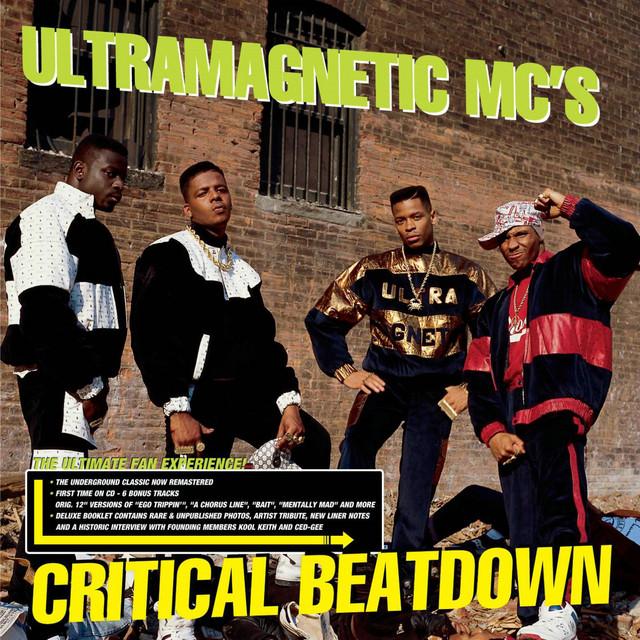
Ultramagnetic MC's

Hip Hop
Contemporary Hip Hop
 Viberate Rank: 92410
 Viberate Rank: 92410
 Monthly ListenersFollowers
 Subscribers
 Followers
 Followers
 FansTop Spotify Songs
| Track | 7-Day Streams | |
|---|---|---|
1 | 7.68K | |
2 | 5.10K | |
3 | 4.17K | |
4 | 3.15K | |
5 | 2.39K |
Top YouTube VideosMonthly ListenersFeatured in Playlists| Playlist | Followers | |
|---|---|---|
1 |  I Love My '80s Hip-Hop Spotify | 459.54K |
2 |  GTA San Andreas Radio Low Fidelity | 252.20K |
3 |  909 Classics Spotify | 219.57K |
4 |  1000 Recordings to Hear Before You Die (Tom Moon): Album Index Ulysses' Classical | 94.30K |
5 |  Boom Bap Classics Ville Kyyny | 60.44K |
Audience| City | Monthly Listeners | |
|---|---|---|
1 |  | 1.42K |
2 | | 936 |
3 | | 856 |
4 |  | 733 |
5 | | 713 |
See full performance history, audience data, playlist activity, rankings, comparisons, and more in Viberate music analytics. Start with a free trial, then continue with a paid plan.
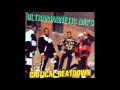
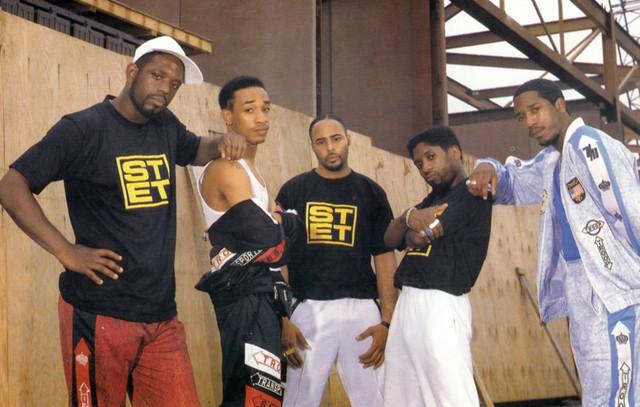
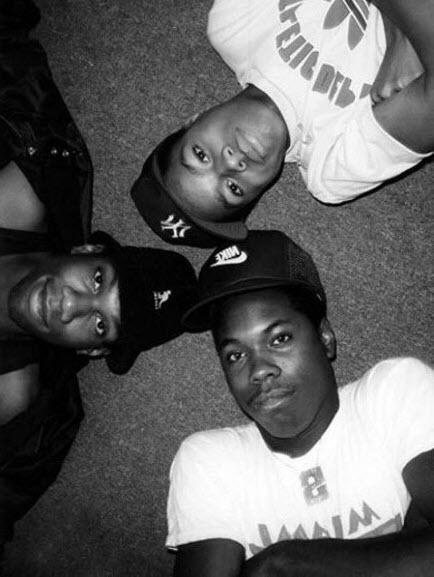
Ultramagnetic MC's’ Spotify BioArising from the Boogie Down Bronx in the mid-'80s as a far-flung hip-hop trio with a heap of new ideas to try out, Ultramagnetic's Kool Keith, Ced Gee, and DJ Moe Love occupy something of a singular place in the old-school pantheon. Combining funk-heavy tracks with jeep-rocking beats and obscure lyrical references, Ultramagnetic MC's have a list of firsts to their credit: the first rap group to employ a sampler as an instrument, the first to feature extensive use of live instrumentation...the first to feature a former psychiatric patient (Keith) on the mic. Early singles like "Something Else" and "Space Groove" were block-party staples and created waves in the underground, eventually landing the group on the disco-dominated Next Plateau label, where they released their underappreciated debut. The following years found the group shuffling from label to label, releasing albums on Mercury and Wild Pitch before splitting to pursue various projects. ~ Sean Cooper, Rovi
Viberate is a music analytics platform built for A&Rs, artist managers, labels, booking agents, marketers, and artists.
It helps music professionals track artist growth, analyze audience data, monitor playlist activity, compare artists, follow song performance, and identify opportunities across the music market.
Public artist pages provide a free preview of selected artist data. Paid plans provide access to deeper analytics, historical data, charts, comparisons, playlist tools, exports, alerts, reports, and additional professional features.
Yes. Public Viberate artist pages provide selected artist analytics and music data for free.
Viberate also offers a 7-day free trial of the full platform. A credit card is required to start the trial. The trial includes access to the complete product so users can test deeper artist analytics, historical views, playlist insights, comparisons, charts, exports, alerts, and reporting features before choosing a paid plan.
Viberate provides artist analytics across streaming, playlists, social media, video, radio airplay, songs, and audience markets.
Users can analyze Spotify performance, Spotify and Apple Music playlists, YouTube activity, TikTok and Instagram growth, radio spins, song performance, audience locations, demographics, rankings, and overall artist momentum.
Artist profiles also connect to music charts, similar artists, and comparison tools, helping users benchmark performance and evaluate artists in context.
Viberate updates key artist and track data daily.
For followed artists and tracks, selected data is refreshed multiple times per day. This helps teams monitor playlist changes, streaming movement, audience growth, releases, and campaign performance with more current data.
Update frequency can vary depending on the metric and data source.
Yes. Viberate lets users compare up to five artists side by side across streaming, social media, audience, and engagement metrics.
Users can compare fanbase growth, audience demographics, locations, Spotify performance, social metrics, and other artist data over selected time periods.
Artist comparison can be used for A&R scouting, benchmarking, booking decisions, campaign planning, and evaluating artists with similar audiences or market positions.