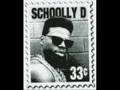
Schoolly D

Hip Hop
Contemporary Hip Hop
 Viberate Rank: 105143
 Viberate Rank: 105143
 Monthly ListenersFollowers
 Subscribers
 Followers
 Followers
 FansTop Spotify Songs
| Track | 7-Day Streams | |
|---|---|---|
1 | 4.81K | |
2 | 2.03K | |
3 | 1.89K | |
4 | 1.49K | |
5 | 1.46K |
Top YouTube VideosMonthly ListenersFeatured in Playlists| Playlist | Followers | |
|---|---|---|
1 |  I Love My '80s Hip-Hop Spotify | 459.54K |
2 |  Every Track Star* Song Track Star* | 36.85K |
3 |  Cheat Sheet: J Dilla Okayplayer | 26.94K |
4 |  Moby's Travel playlist Moby | 26.88K |
5 |  OLD SCHOOL RAP 80s 🔱 THEOCIDE STUDIOS 🔱 | 26.32K |
Audience| City | Monthly Listeners | |
|---|---|---|
1 |  | 1.38K |
2 | | 867 |
3 | | 658 |
4 | | 554 |
5 | | 416 |
See full performance history, audience data, playlist activity, rankings, comparisons, and more in Viberate music analytics. Start with a free trial, then continue with a paid plan.
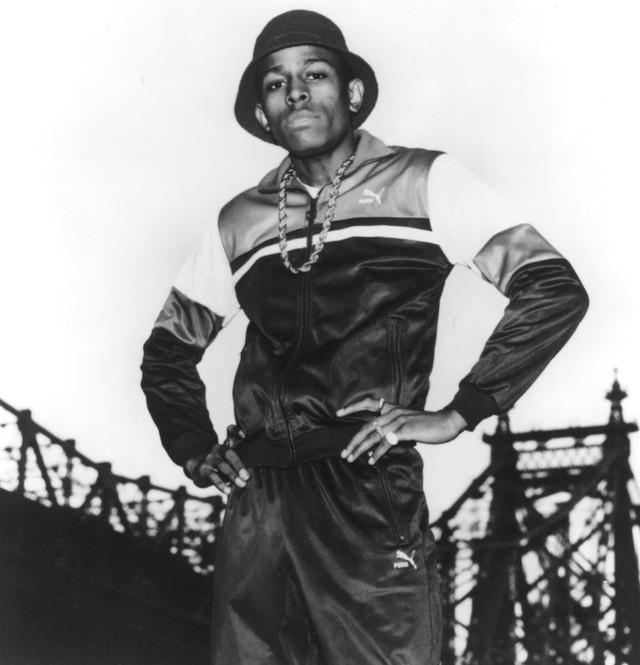
Schoolly D’s Spotify BioCredited by none other than original gangster Ice-T as "the forefather of gangsta rap," Schoolly D is a hip-hop pioneer also for having produced, released, and distributed his early recordings, such as "P.S.K. 'What Does It Mean?'" (1985). The West Philadelphia native's confrontational nature and willingness to shock -- using terms and themes that became common in hip-hop years after he made a name for himself -- might be most frequently associated with his mid-'80s breakthrough, but he has cultivated a formidable discography crossing four decades, far beyond foundational LPs such as Schoolly-D (1985), Saturday Night! The Album (1986), and Smoke Some Kill (1988). In addition to the enduring relevance of his early work through samples and lyrical references by younger generations of producers and MCs, Schoolly D is known for having performed the original theme for the animated television series Aqua Teen Hunger Force.
Schoolly D (Jesse Weaver, Jr.) was raised in his birthplace of West… Philadelphia, as well as Atlanta, where he finished high school before he returned to his original home. He debuted in 1984 with the Run-D.M.C.-inspired "Gangster Boogie." Apart from scratching by DJ Code Money -- whom he had met while affiliated with the 52 Crew -- Schoolly D handled everything else, from the production to the release and distribution of the 12" single. The next year, Schoolly made a much bigger splash with "P.S.K. 'What Does It Mean?,'" an explicit narrative referencing the Park Side Killers gang of his Parkside neighborhood. Schoolly's lyrical content and flow on the track, much different from that of "Gangster Boogie," informed Ice-T's "6 'N the Morning" and Eazy-E's "Boyz-N-the-Hood," and as a consequence was identified as the first gangsta rap recording. Its programmed beat, also Schoolly's work, would travel even farther, sampled dozens of times over not just for other rap tracks, but also for songs from the likes of Siouxsie and the Banshees ("Kiss Them for Me"), the Prodigy (including "Diesel Power," featuring Kool Keith), and Jennifer Lopez ("I'm Glad"). B-side "Gucci Time," beginning with the Beastie Boys' "Time to Get Ill," would be either sampled or referenced many times over, most often for the line "Lookin' at my Gucci, it's about that time."
"P.S.K." and "Gucci Time" appeared on Schoolly D's self-titled full-length debut, also released in 1985. In a sign of events to come, it was licensed for release in the U.K. by Flame Records, an offshoot of Mute subsidiary Rhythm King. Schoolly capitalized on the momentum in 1986 with the full-length Saturday Night! The Album. Led by the title track, one of the rapper's most animated and detailed accounts of his escapades, the LP was in demand enough to require a domestic distribution deal with Jive/RCA after its initial independent pressing. Smoke Some Kill, issued in 1988, was Schoolly's first album recorded for Jive. His and Code Money's sound was augmented with some live instrumentation, as on "Signifying Rapper," which replayed elements of Led Zeppelin's "Kashmir" a decade before Puff Daddy recruited that band's Jimmy Page for "Come to Me." The song also gained attention upon release for its repeated use of an anti-gay slur (to identify an imposing character who beats up a pimp). Am I Black Enough for You?, suffused with rhymes aiming to raise pro-Black consciousness, followed in 1989.
Schoolly briefly joined the roster of Capitol for the 1991 album How a Black Man Feels. He began a lengthy affiliation with director Abel Ferrara in 1992 when "Signifying Rapper" was used throughout the film Bad Lieutenant. (Successful action from Led Zeppelin's attorneys, who alleged copyright infringement based on the replayed elements of "Kashmir," resulted in the destruction of unsold VHS cassettes and the removal of the song from future screenings and retail editions.) This was followed by a similarly brief phase with Ruffhouse -- the Columbia sublabel co-founded by Chris Schwartz and Joe "The Butcher" Nicolo, respectively his manager and frequent recording engineer -- for whom he made the 1994 set Welcome to America.
Schoolly then established PSK Records, and over the next couple years released Reservoir Dog and A Gangster's Story. Funk 'n Pussy followed in 2000 (and was later retitled Get Butt Naked). In 2001, Schoolly composed the music for Ferrara's 'R Xmas, which starred Ice-T. Over the next couple decades, during which he released the album International Supersport and singles such as the Ice-T collaboration "The Real Hardcore," Schoolly branched out as a painter, and for the animated television series Aqua Teen Hunger Force, he did voice-over work and provided the theme song for its first seven seasons. ~ Andy Kellman, Rovi
Viberate is a music analytics platform built for A&Rs, artist managers, labels, booking agents, marketers, and artists.
It helps music professionals track artist growth, analyze audience data, monitor playlist activity, compare artists, follow song performance, and identify opportunities across the music market.
Public artist pages provide a free preview of selected artist data. Paid plans provide access to deeper analytics, historical data, charts, comparisons, playlist tools, exports, alerts, reports, and additional professional features.
Yes. Public Viberate artist pages provide selected artist analytics and music data for free.
Viberate also offers a 7-day free trial of the full platform. A credit card is required to start the trial. The trial includes access to the complete product so users can test deeper artist analytics, historical views, playlist insights, comparisons, charts, exports, alerts, and reporting features before choosing a paid plan.
Viberate provides artist analytics across streaming, playlists, social media, video, radio airplay, songs, and audience markets.
Users can analyze Spotify performance, Spotify and Apple Music playlists, YouTube activity, TikTok and Instagram growth, radio spins, song performance, audience locations, demographics, rankings, and overall artist momentum.
Artist profiles also connect to music charts, similar artists, and comparison tools, helping users benchmark performance and evaluate artists in context.
Viberate updates key artist and track data daily.
For followed artists and tracks, selected data is refreshed multiple times per day. This helps teams monitor playlist changes, streaming movement, audience growth, releases, and campaign performance with more current data.
Update frequency can vary depending on the metric and data source.
Yes. Viberate lets users compare up to five artists side by side across streaming, social media, audience, and engagement metrics.
Users can compare fanbase growth, audience demographics, locations, Spotify performance, social metrics, and other artist data over selected time periods.
Artist comparison can be used for A&R scouting, benchmarking, booking decisions, campaign planning, and evaluating artists with similar audiences or market positions.