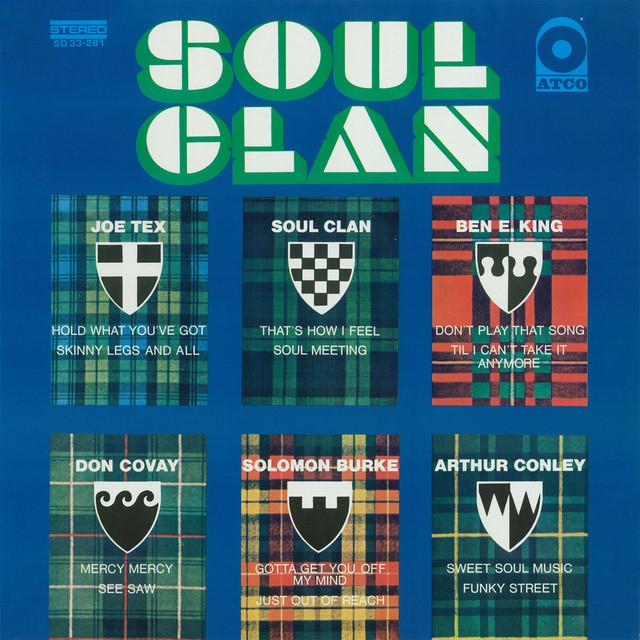
Soul Clan

R&B
Soul
Pop Rock
 Viberate Rank: 268773
 Viberate Rank: 268773
 Monthly ListenersFollowers
 Subscribers
 Followers
 Followers
 FansTop Spotify Songs
| Track | 7-Day Streams | |
|---|---|---|
1 | 9.51K | |
2 | 1.19K |
Top YouTube VideosMonthly ListenersFeatured in Playlists| Playlist | Followers | |
|---|---|---|
1 |  Northern Soul Classics Spotify | 152.99K |
2 |  60s soul down empty roads Jeff Shelby | 55.74K |
3 | 60s Soul Classics teo227 | 44.94K |
4 | 200 greatest songs of Rock and/or Roll pheiffer | 38.50K |
5 | Old Soul Music Ron DMC | 36.73K |
Audience| City | Monthly Listeners | |
|---|---|---|
1 |  | 728 |
2 |  | 375 |
3 |  | 332 |
4 |  | 327 |
5 | | 318 |
See full performance history, audience data, playlist activity, rankings, comparisons, and more in Viberate music analytics. Start with a free trial, then continue with a paid plan.
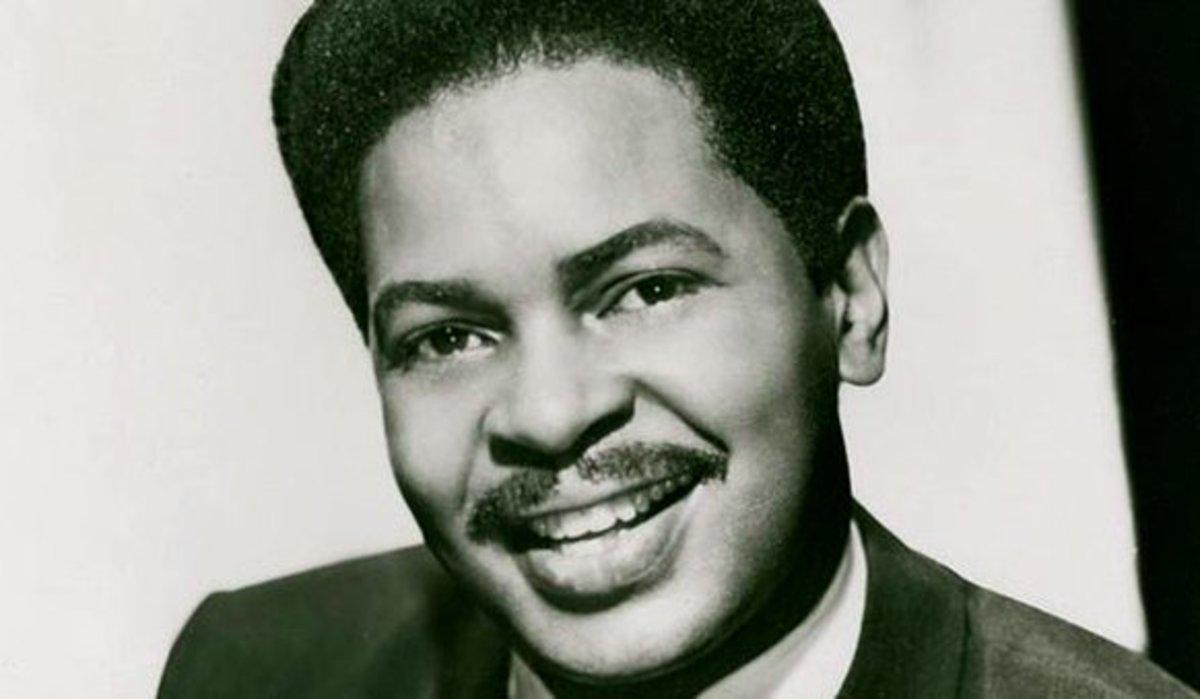
Soul Clan’s Spotify BioA short-lived but legendary supergroup comprised of some of the biggest names in '60s soul, the Soul Clan's proper recording career amounted to a mere two songs, but the act's lineup was enough to make any R&B aficionado take notice: Solomon Burke, Arthur Conley, Don Covay, Ben E. King, and Joe Tex. At the height of their fame, Burke, Covay, Tex, Otis Redding, and Wilson Pickett (all of whom recorded either for Atlantic Records or its affiliated labels) were good friends, often toured together, and would sometimes pop up at each other's shows. Both Burke and Covay began bandying around the idea of working together as a show of musical solidarity; Burke saw the collaboration as a stepping stone toward building an autonomous African-American business empire, while Covay, more successful as a songwriter than a performer, hoped to promote his own career alongside those of his friends. While the idea simmered for some time, it wasn't until 1968 that the project finally took flight; by this… time, Redding had died in a tragic airplane crash and Pickett developed cold feet, supposedly uncomfortable with Burke's grandiose financial plans, so Conley and King stepped in to replace them. The group recorded a single, "Soul Meeting" b/w "That's How I Feel," which was intended as a trailer for a later album and tour, but the single failed to make a serious impression on the charts, and Atlantic pulled their financing toward further recording (Burke has subsequently said he believes Atlantic purposefully let the record fail to prevent the artists from gaining too much power). A Soul Clan album did emerge, but it simply combined the two sides of the single with solo tracks by the various stars, and ended the group's recording career the same year it began. In 1981, the group reunited for a live concert in New York City (with Pickett stepping in for Arthur Conley, who was in Europe at the time), but it was the last time they would work together; Joe Tex died in 1982. ~ Mark Deming, Rovi
Viberate is a music analytics platform built for A&Rs, artist managers, labels, booking agents, marketers, and artists.
It helps music professionals track artist growth, analyze audience data, monitor playlist activity, compare artists, follow song performance, and identify opportunities across the music market.
Public artist pages provide a free preview of selected artist data. Paid plans provide access to deeper analytics, historical data, charts, comparisons, playlist tools, exports, alerts, reports, and additional professional features.
Yes. Public Viberate artist pages provide selected artist analytics and music data for free.
Viberate also offers a 7-day free trial of the full platform. A credit card is required to start the trial. The trial includes access to the complete product so users can test deeper artist analytics, historical views, playlist insights, comparisons, charts, exports, alerts, and reporting features before choosing a paid plan.
Viberate provides artist analytics across streaming, playlists, social media, video, radio airplay, songs, and audience markets.
Users can analyze Spotify performance, Spotify and Apple Music playlists, YouTube activity, TikTok and Instagram growth, radio spins, song performance, audience locations, demographics, rankings, and overall artist momentum.
Artist profiles also connect to music charts, similar artists, and comparison tools, helping users benchmark performance and evaluate artists in context.
Viberate updates key artist and track data daily.
For followed artists and tracks, selected data is refreshed multiple times per day. This helps teams monitor playlist changes, streaming movement, audience growth, releases, and campaign performance with more current data.
Update frequency can vary depending on the metric and data source.
Yes. Viberate lets users compare up to five artists side by side across streaming, social media, audience, and engagement metrics.
Users can compare fanbase growth, audience demographics, locations, Spotify performance, social metrics, and other artist data over selected time periods.
Artist comparison can be used for A&R scouting, benchmarking, booking decisions, campaign planning, and evaluating artists with similar audiences or market positions.