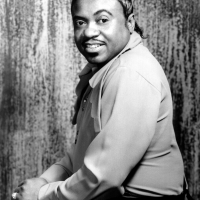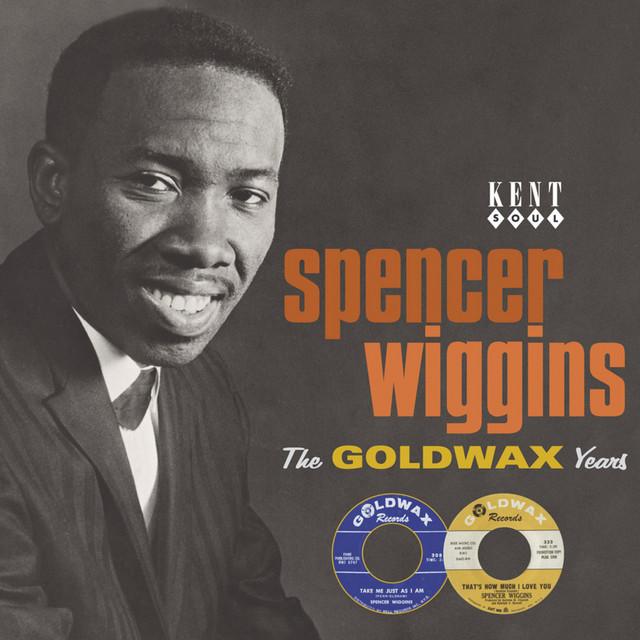
Spencer Wiggins

R&B
Funk
Soul
 Viberate Rank: 334634
 Viberate Rank: 334634
 Monthly ListenersFollowers
 Subscribers
 Followers
 Followers
 FansTop Spotify Songs
| Track | 7-Day Streams | |
|---|---|---|
1 | 921 | |
2 | 478 | |
3 | 368 | |
4 | 335 | |
5 | 196 |
Top YouTube VideosMonthly ListenersFeatured in Playlists| Playlist | Followers | |
|---|---|---|
1 |  Cocktail Bar Vibe ₮HΣ💿V₳RD₳ | 15.87K |
2 |  Dinner Jazz/Soul DeWayne Schaaf | 15.41K |
3 |  Good Grief Netflix Soundtrack Lucky Streak Music | 11.96K |
4 |  Soul Classics (Songpickr) Songpickr | 4.37K |
5 |  The Best of Muscle Shoals Alabama Music Hall of Fame | 3.41K |
Audience| City | Monthly Listeners | |
|---|---|---|
1 |  | 101 |
2 | | 60 |
3 |  | 51 |
4 |  | 41 |
5 | | 40 |
See full performance history, audience data, playlist activity, rankings, comparisons, and more in Viberate music analytics. Start with a free trial, then continue with a paid plan.
Spencer Wiggins’ Spotify BioSpencer Wiggins was a gifted and emotionally powerful vocalist who cut a handful of superb Southern soul singles during the mid-'60s but never scored the hits he genuinely deserved, though years later he would be lionized as one of the lost masters of the form by British and Japanese enthusiasts of deep soul.
Wiggins was born in Memphis, Tennessee, in 1942; his parents had a strong interest in music, and while in high school Spencer formed a gospel vocal group, the New Rival Gospel Singers, which also featured his brother Percy Wiggins and sister Maxine Wiggins. At the same time, Spencer and Percy were members of the glee club at Memphis' Booker T. Washington High School when the student body included Booker T. Jones, Maurice White, and William Bell and the faculty included noted disc jockey and talent scout Nat D. Williams. In this fertile environment, Spencer and Percy first turned professional, forming an R&B vocal group called the Four Stars that featured David Porter, later to… become a noted songwriter.
In 1961, Spencer graduated from high school and began making a name for himself on the Memphis club scene. After several years of gigging, he caught the attention of Quinton Claunch, a songwriter and producer who ran the soul-dominated Goldwax Records label. Claunch signed Spencer to a record deal in 1964, and while his first sides were licensed to the Bandstand USA label, he was soon releasing product through Goldwax proper. Despite cutting strong material with Claunch at the controls and some of the city's best session players backing him up, Spencer never scored the major breakthrough hit he needed, and after Goldwax went under in 1969, he recorded material for the Fame, Pama, and Vivid Sound labels before he left Memphis for good in 1975.
In 1976, Spencer had a spiritual rebirth and turned his back on secular music in favor of gospel. After relocating to Florida, he became a deacon of the New Birth Baptist Church in Miami and was named director of two of the church's choral groups. While a 1977 gospel album cut with the help of Al Green was never released, in 1999 Spencer issued a cassette-only EP, Jump for Jesus, which received significant airplay in the Miami area. A full-length gospel album, Key to the Kingdom, was released in 2003 and merged Spencer's full-bodied vocals and spiritual message with tracks produced and arranged in contemporary R&B and hip-hop styles. A thorough compilation of Spencer's work for Goldwax, The Goldwax Years, was released by the British Kent label in 2006. Spencer Wiggins died in Memphis on February 13, 2023, at the age of 81. ~ Mark Deming, Rovi
Viberate is a music analytics platform built for A&Rs, artist managers, labels, booking agents, marketers, and artists.
It helps music professionals track artist growth, analyze audience data, monitor playlist activity, compare artists, follow song performance, and identify opportunities across the music market.
Public artist pages provide a free preview of selected artist data. Paid plans provide access to deeper analytics, historical data, charts, comparisons, playlist tools, exports, alerts, reports, and additional professional features.
Yes. Public Viberate artist pages provide selected artist analytics and music data for free.
Viberate also offers a 7-day free trial of the full platform. A credit card is required to start the trial. The trial includes access to the complete product so users can test deeper artist analytics, historical views, playlist insights, comparisons, charts, exports, alerts, and reporting features before choosing a paid plan.
Viberate provides artist analytics across streaming, playlists, social media, video, radio airplay, songs, and audience markets.
Users can analyze Spotify performance, Spotify and Apple Music playlists, YouTube activity, TikTok and Instagram growth, radio spins, song performance, audience locations, demographics, rankings, and overall artist momentum.
Artist profiles also connect to music charts, similar artists, and comparison tools, helping users benchmark performance and evaluate artists in context.
Viberate updates key artist and track data daily.
For followed artists and tracks, selected data is refreshed multiple times per day. This helps teams monitor playlist changes, streaming movement, audience growth, releases, and campaign performance with more current data.
Update frequency can vary depending on the metric and data source.
Yes. Viberate lets users compare up to five artists side by side across streaming, social media, audience, and engagement metrics.
Users can compare fanbase growth, audience demographics, locations, Spotify performance, social metrics, and other artist data over selected time periods.
Artist comparison can be used for A&R scouting, benchmarking, booking decisions, campaign planning, and evaluating artists with similar audiences or market positions.