Howard Tate

R&B
Funk
Soul
Contemporary R&B
 Viberate Rank: 176230
 Viberate Rank: 176230
 Monthly ListenersFollowers
 Subscribers
 Followers
 Followers
 FansTop Spotify Songs
| Track | 7-Day Streams | |
|---|---|---|
1 | 3.75K | |
2 | 1.46K | |
3 | 1.46K | |
4 | 1.04K | |
5 | 1.04K |
Top YouTube VideosMonthly ListenersFeatured in Playlists| Playlist | Followers | |
|---|---|---|
1 |  1000 Recordings to Hear Before You Die (Tom Moon): Album Index Ulysses' Classical | 94.30K |
2 |  Indications' Inspirations Durand Jones & The Indications | 35.68K |
3 |  Reacher: Official Playlist Prime Video | 34.20K |
4 |  REACHER SOUNDTRACK: All 4 Seasons Ignatious Pop | 18.48K |
5 | Originals that are less Famous than the Cover Versions Auke Riemersma | 10.67K |
Audience| City | Monthly Listeners | |
|---|---|---|
1 |  | 455 |
2 |  | 245 |
3 |  | 236 |
4 | | 223 |
5 |  | 207 |
See full performance history, audience data, playlist activity, rankings, comparisons, and more in Viberate music analytics. Start with a free trial, then continue with a paid plan.
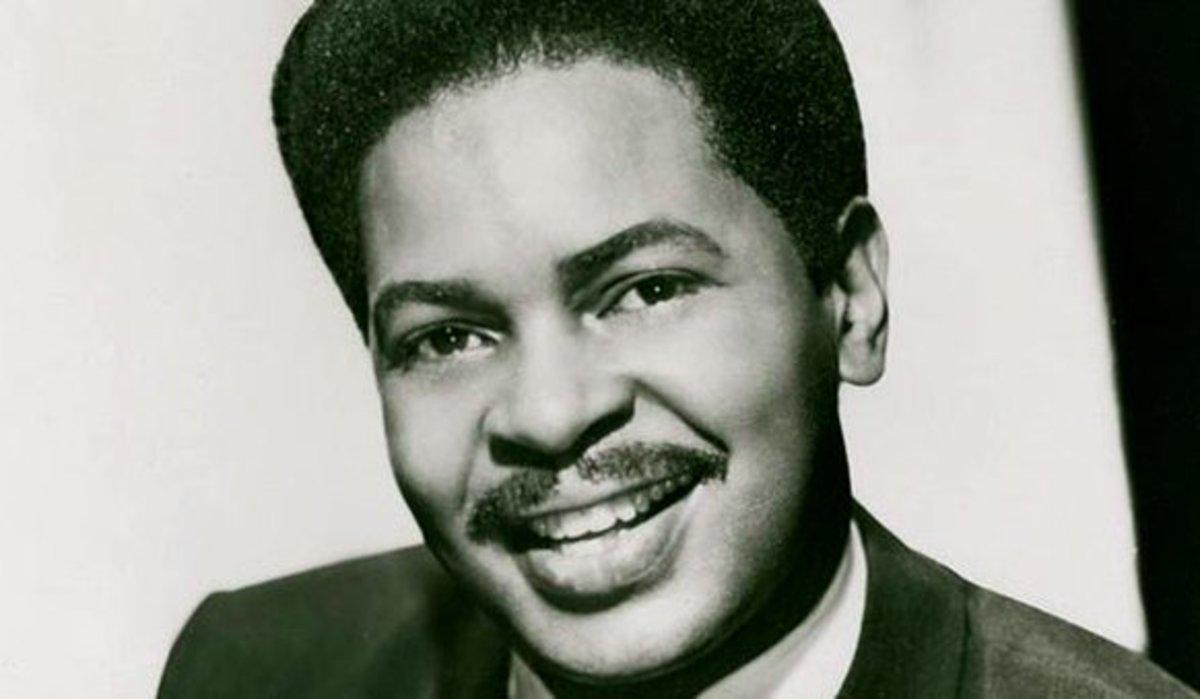
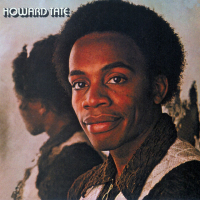
Howard Tate’s Spotify BioHighly regarded by soul music cultists and virtually unknown by anybody else, Howard Tate had some minor success with the Verve label in the late '60s. The singer brought a lot of blues and gospel to his phrasing, but what made him palatable to the modern R&B audience (and, to a lesser degree, pop fans) was the Northeast soul production of Jerry Ragovoy, who also wrote much of Tate's material. Howard made the R&B Top 20 three times in the late '60s (with "Ain't Nobody Home," "Stop," and "Look at Granny Run Run"). However, he's most famous to rock audiences as the original performer of "Get It While You Can," which became one of Janis Joplin's signature tunes.
Before establishing himself as a solo performer, Tate sang with the Gainors, a North Philadelphia doo wop group that also included future soul star Garnet Mimms. In the early '60s, he was the vocal frontman for Bill Doggett, the organist famous for the instrumental hit "Honky Tonk." Jerry Ragovoy was urged to check out Tate by a… member of the Enchanters, Garnet Mimms' backup singers. He recorded about ten singles with Tate between 1966 and 1969, the first for the small Utopia label, the rest for Verve.
Tate moved on to Lloyd Price's Turntable label, for which he recorded a few singles in the late '60s and early '70s. From there he chalked up a short stint with Atlantic, which saw a few other 45s and a critically well-received album, but again little commercial success. A final 1974 single for Epic was his swan song. Always somewhat of a mysterious figure, he dropped out of the public eye during the early '80s, developed a substance abuse habit, and reportedly spent time in a homeless shelter before becoming a preacher. He made his musical comeback in the early 2000s, having been encouraged by a New Jersey DJ to return to performing. Tate also returned to the studio, issuing Rediscovered in 2003 and A Portrait of Howard three years later. Blue Day followed in 2008 and reestablished Tate's talent as a songwriter.
Although an enduring figure in the soul genre, Tate's music has received its greatest exposure via cover versions: Jimi Hendrix and Hugh Masekela did "Stop," Ry Cooder covered "Look at Granny Run Run," B.B. King recorded "Ain't Nobody Home," and rappers Brand Nubian sampled "Look at Granny Run Run." And of course Joplin (who also raided the Ragavoy catalog for "Try (Just a Little Bit Harder)," "Cry Baby," and "My Baby") did "Get It While You Can" in a manner closely derived from Tate's interpretation. ~ Richie Unterberger, Rovi
Viberate is a music analytics platform built for A&Rs, artist managers, labels, booking agents, marketers, and artists.
It helps music professionals track artist growth, analyze audience data, monitor playlist activity, compare artists, follow song performance, and identify opportunities across the music market.
Public artist pages provide a free preview of selected artist data. Paid plans provide access to deeper analytics, historical data, charts, comparisons, playlist tools, exports, alerts, reports, and additional professional features.
Yes. Public Viberate artist pages provide selected artist analytics and music data for free.
Viberate also offers a 7-day free trial of the full platform. A credit card is required to start the trial. The trial includes access to the complete product so users can test deeper artist analytics, historical views, playlist insights, comparisons, charts, exports, alerts, and reporting features before choosing a paid plan.
Viberate provides artist analytics across streaming, playlists, social media, video, radio airplay, songs, and audience markets.
Users can analyze Spotify performance, Spotify and Apple Music playlists, YouTube activity, TikTok and Instagram growth, radio spins, song performance, audience locations, demographics, rankings, and overall artist momentum.
Artist profiles also connect to music charts, similar artists, and comparison tools, helping users benchmark performance and evaluate artists in context.
Viberate updates key artist and track data daily.
For followed artists and tracks, selected data is refreshed multiple times per day. This helps teams monitor playlist changes, streaming movement, audience growth, releases, and campaign performance with more current data.
Update frequency can vary depending on the metric and data source.
Yes. Viberate lets users compare up to five artists side by side across streaming, social media, audience, and engagement metrics.
Users can compare fanbase growth, audience demographics, locations, Spotify performance, social metrics, and other artist data over selected time periods.
Artist comparison can be used for A&R scouting, benchmarking, booking decisions, campaign planning, and evaluating artists with similar audiences or market positions.