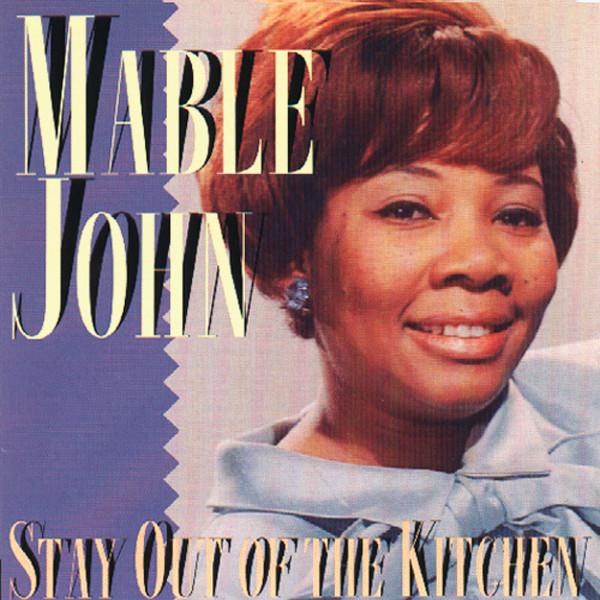
Mable John

R&B
Soul
Classic Blues
 Viberate Rank: 190270
 Viberate Rank: 190270
 Monthly ListenersFollowers
 Subscribers
 Followers
 Followers
 FansTop Spotify Songs
| Track | 7-Day Streams | |
|---|---|---|
1 | 3.37K | |
2 | 2.65K | |
3 | 2.00K | |
4 | 1.76K | |
5 | 1.37K |
Top YouTube VideosMonthly ListenersFeatured in Playlists| Playlist | Followers | |
|---|---|---|
1 |  Ted Lasso - Complete Playlist aviamax | 104.99K |
2 |  Ted Lasso - soundtrack seasons 1 - 5 your own kind of music | 26.25K |
3 |  Ted Lasso: Un-Official Soundtrack Seasons 1-4 Will.I.Am | 25.17K |
4 |  LINDY HOP Dance Music Li Smuki | 22.75K |
5 |  the L word Soundtrack (Season 1-6) val_toriello | 19.84K |
Audience| City | Monthly Listeners | |
|---|---|---|
1 |  | 602 |
2 | | 366 |
3 | | 325 |
4 |  | 306 |
5 | | 280 |
See full performance history, audience data, playlist activity, rankings, comparisons, and more in Viberate music analytics. Start with a free trial, then continue with a paid plan.
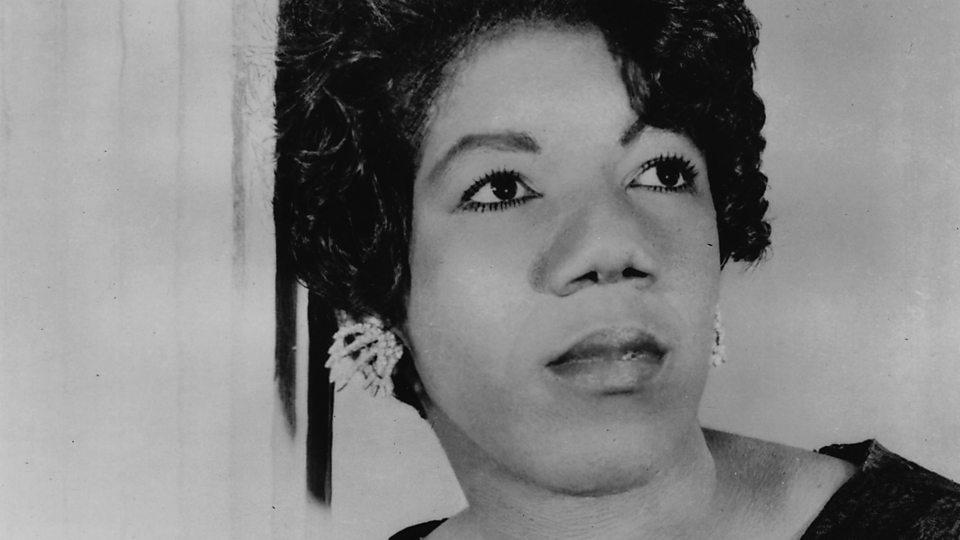
Mable John’s Spotify BioMable John was the first female artist signed by Berry Gordy, Jr. to the Tamla label, which preceded Motown by more than two years, and one of the few artists to record for the top two labels for 1960s soul, Motown and Stax. John's three single releases were part of an unsuccessful blues fling for the company; besides Mable John, Gordy released blues sides by Sammy Ward, Luther Allison, Amos Milburn, Earl King, Arthur Adams, and many others.
The eldest of nine siblings (one of whom was legendary R&B artist Little Willie John, of "Fever" and "Talk to Me" fame), Mable John was born in Bastrop, Louisiana. Her parents moved to Arkansas when she was a kid, then later to Detroit to find employment in the bustling auto industry. After graduating from Pershing High School in Detroit, John began working for Berry Gordy's mother, Bertha, who ran a small insurance company. She met Gordy in 1956, started recording for him in 1959, and had her first release, "Who Wouldn't Love a Man Like That," on T…amla in 1960, a solid blues item that went nowhere. Her next single, 1961's "No Love," had potential, but Motown simply couldn't sell blues. Her final release, "Actions Speak Louder Than Words," appeared during the latter part of 1961.
By 1962, blues at Motown became history, and John was dropped from the roster. (The Supremes, who sang backing vocals on some of John's sessions, became superstars a few years after her departure.) John then moved to Ray Charles' Raelettes, performing with them before and after her stint with Stax Records. Her Stax experience began in 1966 and ended in 1968, during which time she waxed the deep soul classic "Your Good Thing (Is About to End)," her most successful record. Stax released six other singles by her: "You're Taking Up Another Man's Place," "Bigger and Better," "I'm a Big Girl Now," "Don't Hit Me No More," "Able Mable," and "Running Out." One album, entitled Stay Out of the Kitchen, would have been definitive if it had included "Don't Hit Me No More."
After leaving Stax in 1968 and rejoining the Raelettes for a brief time, John retired from secular music and devoted herself exclusively to Christianity. In the mid-'70s she managed the Autographs, who had a deal with RCA (unfortunately, the label didn't release any records by them under John's watch). In 1994, the Rhythm & Blues Foundation inducted Mable John into their Hall of Fame. It was a just honor for the underrated blues singer, who made excellent records but never had the luck or the timing to achieve the prominence she deserved. Mabel John died on August 25, 2022, in Los Angeles at the age of 91. ~ Andrew Hamilton, Rovi
Viberate is a music analytics platform built for A&Rs, artist managers, labels, booking agents, marketers, and artists.
It helps music professionals track artist growth, analyze audience data, monitor playlist activity, compare artists, follow song performance, and identify opportunities across the music market.
Public artist pages provide a free preview of selected artist data. Paid plans provide access to deeper analytics, historical data, charts, comparisons, playlist tools, exports, alerts, reports, and additional professional features.
Yes. Public Viberate artist pages provide selected artist analytics and music data for free.
Viberate also offers a 7-day free trial of the full platform. A credit card is required to start the trial. The trial includes access to the complete product so users can test deeper artist analytics, historical views, playlist insights, comparisons, charts, exports, alerts, and reporting features before choosing a paid plan.
Viberate provides artist analytics across streaming, playlists, social media, video, radio airplay, songs, and audience markets.
Users can analyze Spotify performance, Spotify and Apple Music playlists, YouTube activity, TikTok and Instagram growth, radio spins, song performance, audience locations, demographics, rankings, and overall artist momentum.
Artist profiles also connect to music charts, similar artists, and comparison tools, helping users benchmark performance and evaluate artists in context.
Viberate updates key artist and track data daily.
For followed artists and tracks, selected data is refreshed multiple times per day. This helps teams monitor playlist changes, streaming movement, audience growth, releases, and campaign performance with more current data.
Update frequency can vary depending on the metric and data source.
Yes. Viberate lets users compare up to five artists side by side across streaming, social media, audience, and engagement metrics.
Users can compare fanbase growth, audience demographics, locations, Spotify performance, social metrics, and other artist data over selected time periods.
Artist comparison can be used for A&R scouting, benchmarking, booking decisions, campaign planning, and evaluating artists with similar audiences or market positions.