Sleepy John Estes

Blues
Classic Blues
Country Blues
 Viberate Rank: 180734
 Viberate Rank: 180734
 Monthly ListenersFollowers
 Subscribers
 Followers
 Followers
 FansTop Spotify Songs
| Track | 7-Day Streams | |
|---|---|---|
1 | 2.56K | |
2 | 536 | |
3 | 498 | |
4 | 498 | |
5 | 498 |
Top YouTube VideosMonthly ListenersFeatured in Playlists| Playlist | Followers | |
|---|---|---|
1 |  The Sound of Everything The Sounds of Spotify | 53.82K |
2 |  Old/Delta Blues (1920s-1960s) Graylon | 52.02K |
3 | wicks Brennan McDowell | 43.73K |
4 |  Sunday Morning's Essential American Songbook CBS Sunday Morning | 27.51K |
5 |  Anthology of American Folk Music Rodney Hargis | 21.01K |
Audience| City | Monthly Listeners | |
|---|---|---|
1 | | 85 |
2 |  | 84 |
3 | | 76 |
4 |  | 67 |
5 | | 60 |
See full performance history, audience data, playlist activity, rankings, comparisons, and more in Viberate music analytics. Start with a free trial, then continue with a paid plan.
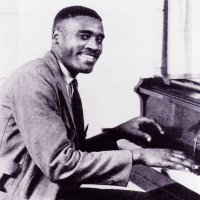
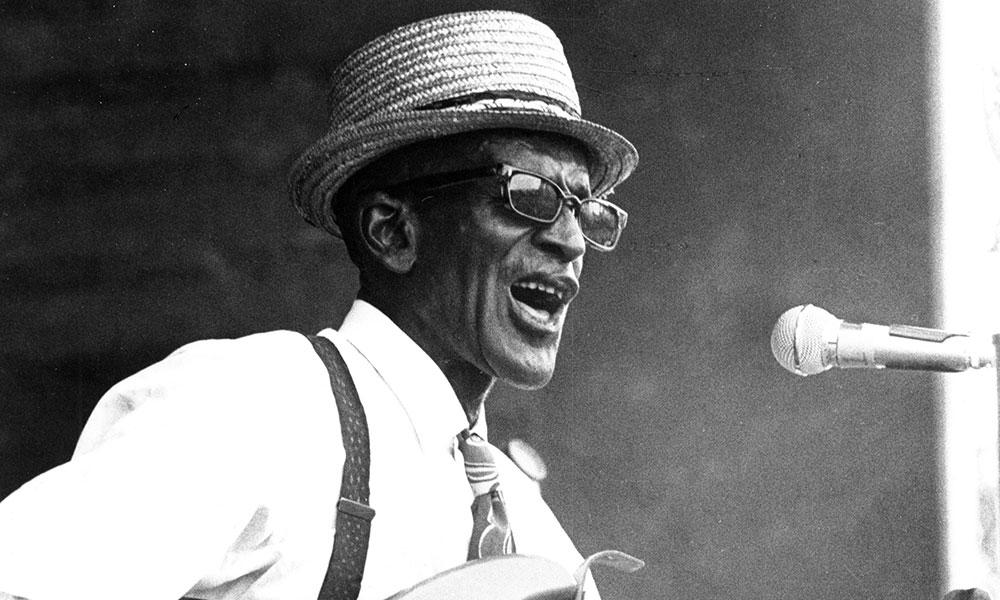
Sleepy John Estes’ Spotify BioBig Bill Broonzy called John Estes' style of singing "crying" the blues because of its overt emotional quality. Actually, his vocal style harks back to his tenure as a work-gang leader for a railroad maintenance crew, where his vocal improvisations and keen, cutting voice set the pace for work activities. Nicknamed "Sleepy" John Estes, supposedly because of his ability to sleep standing up, he teamed with mandolinist Yank Rachell and harmonica player Hammie Nixon to play the house party circuit in and around Brownsville in the early 1920s. The same team reunited 40 years later to record for Delmark and play the festival circuit. Never an outstanding guitarist, Estes relied on his expressive voice to carry his music, and the recordings he made from 1929 on have enormous appeal and remain remarkably accessible today.
Despite the fact that he performed for mixed Black and white audiences in string bands, jug bands, and medicine show formats, his music retains a distinct ethnicity and has a… particularly plaintive sound. Astonishingly, he recorded for six decades on Victor, Decca, Bluebird, Ora Nelle, Sun, Delmark, and others. Over the course of his career, his music remained simple yet powerful, and despite his sojourns to Memphis and Chicago he retained a traditional down-home sound. Some of his songs are deeply personal statements about his community and life, such as "Lawyer Clark" and "Floating Bridge." Other compositions have universal appeal ("Drop Down Mama" and "Someday Baby") and went on to become mainstays in the repertoires of countless musicians. One of the true masters of his idiom, he lived in poverty, yet was somehow capable of turning his experiences and the conditions of his life into compelling art. ~ Barry Lee Pearson, Rovi
Viberate is a music analytics platform built for A&Rs, artist managers, labels, booking agents, marketers, and artists.
It helps music professionals track artist growth, analyze audience data, monitor playlist activity, compare artists, follow song performance, and identify opportunities across the music market.
Public artist pages provide a free preview of selected artist data. Paid plans provide access to deeper analytics, historical data, charts, comparisons, playlist tools, exports, alerts, reports, and additional professional features.
Yes. Public Viberate artist pages provide selected artist analytics and music data for free.
Viberate also offers a 7-day free trial of the full platform. A credit card is required to start the trial. The trial includes access to the complete product so users can test deeper artist analytics, historical views, playlist insights, comparisons, charts, exports, alerts, and reporting features before choosing a paid plan.
Viberate provides artist analytics across streaming, playlists, social media, video, radio airplay, songs, and audience markets.
Users can analyze Spotify performance, Spotify and Apple Music playlists, YouTube activity, TikTok and Instagram growth, radio spins, song performance, audience locations, demographics, rankings, and overall artist momentum.
Artist profiles also connect to music charts, similar artists, and comparison tools, helping users benchmark performance and evaluate artists in context.
Viberate updates key artist and track data daily.
For followed artists and tracks, selected data is refreshed multiple times per day. This helps teams monitor playlist changes, streaming movement, audience growth, releases, and campaign performance with more current data.
Update frequency can vary depending on the metric and data source.
Yes. Viberate lets users compare up to five artists side by side across streaming, social media, audience, and engagement metrics.
Users can compare fanbase growth, audience demographics, locations, Spotify performance, social metrics, and other artist data over selected time periods.
Artist comparison can be used for A&R scouting, benchmarking, booking decisions, campaign planning, and evaluating artists with similar audiences or market positions.