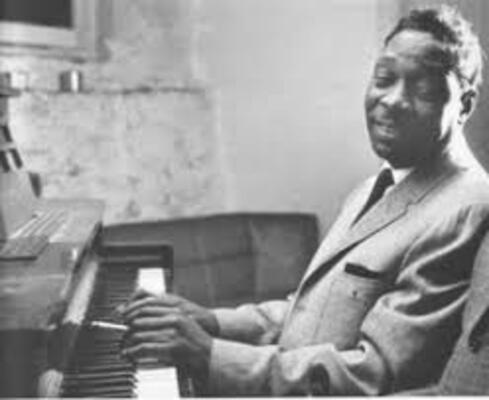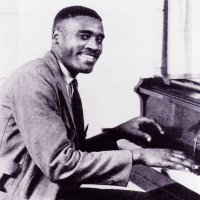
Leroy Carr

Blues
Classic Blues
Contemporary Blues
 Viberate Rank: 194132
 Viberate Rank: 194132
 Monthly ListenersFollowers
 Subscribers
 Followers
 Followers
 FansTop Spotify Songs
| Track | 7-Day Streams | |
|---|---|---|
1 | 3.27K | |
2 | 3.27K | |
3 | 3.27K | |
4 | 2.87K | |
5 | 2.87K |
Top YouTube VideosMonthly ListenersFeatured in Playlists| Playlist | Followers | |
|---|---|---|
1 | Best Blues Songs of All Time Rodrigo Sosa Diaz | 37.21K |
2 |  Essential Classics Essential Classics | 31.39K |
3 |  Lo MEJOR del JAZZ/BLUES 🔱 THEOCIDE STUDIOS 🔱 | 17.07K |
4 |  Delta/Slide/Acoustic Blues Coltrel | 15.06K |
5 |  Vintage Holiday Sonos | 11.78K |
Audience| City | Monthly Listeners | |
|---|---|---|
1 |  | 222 |
2 |  | 207 |
3 |  | 181 |
4 | | 175 |
5 |  | 149 |
See full performance history, audience data, playlist activity, rankings, comparisons, and more in Viberate music analytics. Start with a free trial, then continue with a paid plan.
Leroy Carr’s Spotify BioThe term "urban blues" is usually applied to post-World War II blues band music, but one of the forefathers of the genre in its pre-electric format was pianist Leroy Carr. Teamed with the exemplary guitarist Scrapper Blackwell in Indianapolis, Carr became one of the top blues stars of his day, composing and recording almost 200 sides during his short lifetime, including such classics as "How Long, How Long," "Prison Bound Blues," "When the Sun Goes Down," and "Blues Before Sunrise." His blues were expressive and evocative, recorded only with piano and guitar, yet as author Sam Charters has noted, Carr was "a city man" whose singing was never as rough or intense as that of the country bluesmen, and as reissue producer Francis Smith put it, "He, perhaps more than any other single artist, was responsible for transforming the rural blues patterns of the '20s into the more city-oriented blues of the '30s."
Born in Nashville, Leroy Carr moved to Indianapolis as a child. While he was still in… his teens, he taught himself how to play piano. Carr quit school in his mid-teens, heading out for a life on the road. For the next few years, he would play piano at various parties and dances in the Midwest and South. During this time, he held a number of odd jobs -- he joined a circus, he was in the Army for a while, and he was briefly a bootlegger. In addition to his string of jobs, he was married for a short time.
Carr wandered back toward Indianapolis, where he met guitarist Scrapper Blackwell in 1928. The duo began performing and shortly afterward they were recording for Vocalion, releasing "How Long How Long Blues" before the year was finished. The song was an instant, surprise hit. For the next seven years, Carr and Blackwell would record a number of classic songs for Vocalion, including "Midnight Hour Blues," "Blues Before Sunrise," "Hurry Down Sunshine," "Shady Lane Blues," and many others.
Throughout the early '30s, Carr was one of the most popular bluesmen in America. While his professional career was successful, his personal life was spinning out of control, as he sunk deeper and deeper into alcoholism. His addiction eventually cut his life short -- he died in April 1935. Carr left behind a enormous catalog of blues and his influence could be heard throughout successive generation of blues musicians, as evidenced by artists like T-Bone Walker, Otis Spann, and Champion Jack Dupree. ~ Jim O'Neal, Rovi
Viberate is a music analytics platform built for A&Rs, artist managers, labels, booking agents, marketers, and artists.
It helps music professionals track artist growth, analyze audience data, monitor playlist activity, compare artists, follow song performance, and identify opportunities across the music market.
Public artist pages provide a free preview of selected artist data. Paid plans provide access to deeper analytics, historical data, charts, comparisons, playlist tools, exports, alerts, reports, and additional professional features.
Yes. Public Viberate artist pages provide selected artist analytics and music data for free.
Viberate also offers a 7-day free trial of the full platform. A credit card is required to start the trial. The trial includes access to the complete product so users can test deeper artist analytics, historical views, playlist insights, comparisons, charts, exports, alerts, and reporting features before choosing a paid plan.
Viberate provides artist analytics across streaming, playlists, social media, video, radio airplay, songs, and audience markets.
Users can analyze Spotify performance, Spotify and Apple Music playlists, YouTube activity, TikTok and Instagram growth, radio spins, song performance, audience locations, demographics, rankings, and overall artist momentum.
Artist profiles also connect to music charts, similar artists, and comparison tools, helping users benchmark performance and evaluate artists in context.
Viberate updates key artist and track data daily.
For followed artists and tracks, selected data is refreshed multiple times per day. This helps teams monitor playlist changes, streaming movement, audience growth, releases, and campaign performance with more current data.
Update frequency can vary depending on the metric and data source.
Yes. Viberate lets users compare up to five artists side by side across streaming, social media, audience, and engagement metrics.
Users can compare fanbase growth, audience demographics, locations, Spotify performance, social metrics, and other artist data over selected time periods.
Artist comparison can be used for A&R scouting, benchmarking, booking decisions, campaign planning, and evaluating artists with similar audiences or market positions.