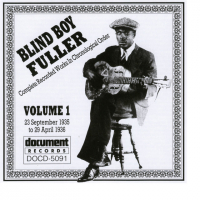
Blind Boy Fuller

Blues
Classic Blues
Country Blues
 Viberate Rank: 139882
 Viberate Rank: 139882
 Monthly ListenersFollowers
 Subscribers
 Followers
 Followers
 FansTop Spotify Songs
| Track | 7-Day Streams | |
|---|---|---|
1 | 2.07K | |
2 | 971 | |
3 | 849 | |
4 | 726 | |
5 | 726 |
Top YouTube VideosMonthly ListenersFeatured in Playlists| Playlist | Followers | |
|---|---|---|
1 |  Blues Masters Filtr Legacy Sweden | 226.82K |
2 |  The Sound of Everything The Sounds of Spotify | 53.81K |
3 |  BLUES CLASSICS: 100 best songs Juan Ceñal | 19.82K |
4 | 20s 30s 40s Music Sean McKenzie | 16.82K |
5 | 50s 60s Oldies Sean McKenzie | 16.78K |
Audience| City | Monthly Listeners | |
|---|---|---|
1 |  | 162 |
2 | | 156 |
3 |  | 142 |
4 | | 136 |
5 | | 128 |
See full performance history, audience data, playlist activity, rankings, comparisons, and more in Viberate music analytics. Start with a free trial, then continue with a paid plan.
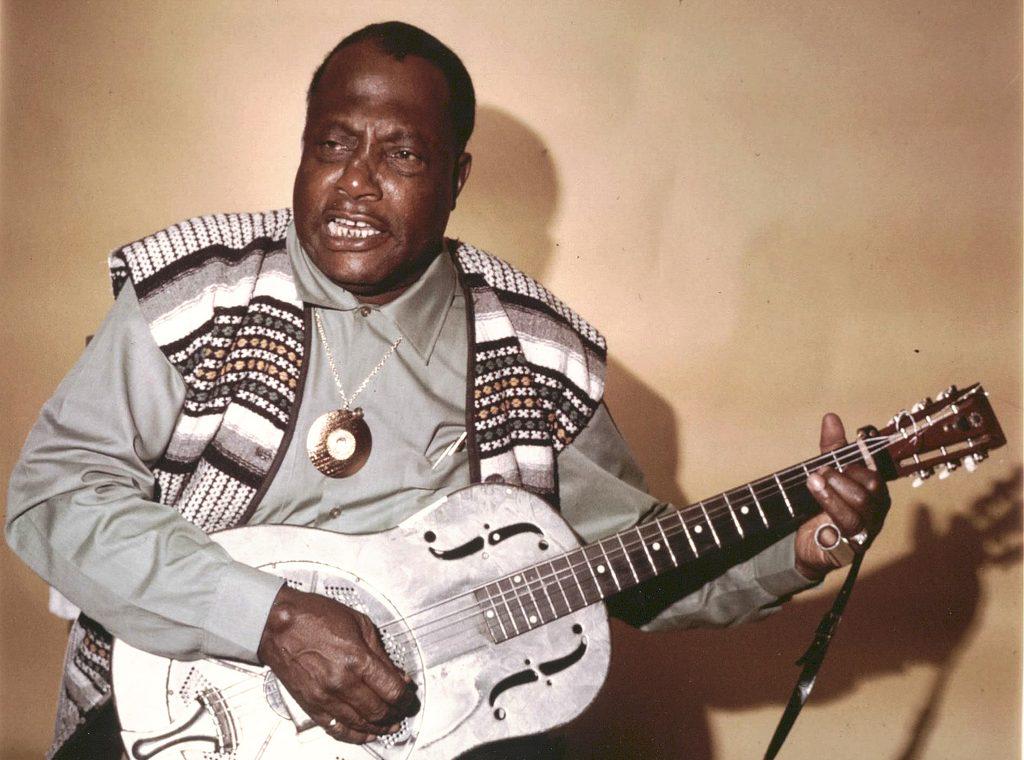
Blind Boy Fuller’s Spotify BioUnlike blues artists like Big Bill or Memphis Minnie who recorded extensively over three or four decades, Blind Boy Fuller recorded his substantial body of work over a short, six-year span. Nevertheless, he was one of the most recorded artists of his time and by far the most popular and influential Piedmont blues player of all time. Fuller could play in multiple styles: slide, ragtime, pop, and blues were all enhanced by his National steel guitar. Fuller worked with some fine sidemen, including Rev. Gary Davis, Sonny Terry, and washboard player Bull City Red. Initially discovered and promoted by Carolina entrepreneur H.B. Long, Fuller recorded for ARC and Decca. He also served as a conduit to recording sessions, steering fellow blues musicians to the studio.
In spite of Fuller's recorded output, most of his musical life was spent as a street musician and house party favorite, and he possessed the skills to reinterpret and cover the hits of other artists as well. In this sense, he was a… synthesizer of styles, parallel in many ways to Robert Johnson, his contemporary who died three years earlier. Like Johnson, Fuller lived fast and died young in 1942, only 33 years old. Fuller was a fine, expressive vocalist and a masterful guitar player best remembered for his uptempo ragtime hits "Rag Mama Rag," "Trucking My Blues Away," and "Step It Up and Go." At the same time he was capable of deeper material, and his versions of "Lost Lover Blues" and "Mamie" are as deep as most Delta blues. Because of his popularity, he may have been overexposed on records, yet most of his songs remained close to tradition and much of his repertoire and style is kept alive by North Carolina and Virginia artists today. ~ Barry Lee Pearson, Rovi
Viberate is a music analytics platform built for A&Rs, artist managers, labels, booking agents, marketers, and artists.
It helps music professionals track artist growth, analyze audience data, monitor playlist activity, compare artists, follow song performance, and identify opportunities across the music market.
Public artist pages provide a free preview of selected artist data. Paid plans provide access to deeper analytics, historical data, charts, comparisons, playlist tools, exports, alerts, reports, and additional professional features.
Yes. Public Viberate artist pages provide selected artist analytics and music data for free.
Viberate also offers a 7-day free trial of the full platform. A credit card is required to start the trial. The trial includes access to the complete product so users can test deeper artist analytics, historical views, playlist insights, comparisons, charts, exports, alerts, and reporting features before choosing a paid plan.
Viberate provides artist analytics across streaming, playlists, social media, video, radio airplay, songs, and audience markets.
Users can analyze Spotify performance, Spotify and Apple Music playlists, YouTube activity, TikTok and Instagram growth, radio spins, song performance, audience locations, demographics, rankings, and overall artist momentum.
Artist profiles also connect to music charts, similar artists, and comparison tools, helping users benchmark performance and evaluate artists in context.
Viberate updates key artist and track data daily.
For followed artists and tracks, selected data is refreshed multiple times per day. This helps teams monitor playlist changes, streaming movement, audience growth, releases, and campaign performance with more current data.
Update frequency can vary depending on the metric and data source.
Yes. Viberate lets users compare up to five artists side by side across streaming, social media, audience, and engagement metrics.
Users can compare fanbase growth, audience demographics, locations, Spotify performance, social metrics, and other artist data over selected time periods.
Artist comparison can be used for A&R scouting, benchmarking, booking decisions, campaign planning, and evaluating artists with similar audiences or market positions.