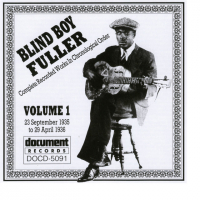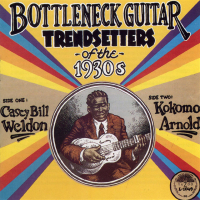
Casey Bill Weldon

Blues
Classic Blues
Country Blues
 Viberate Rank: 364928
 Viberate Rank: 364928
 Monthly ListenersFollowers
 Subscribers
 Followers
 Followers
 FansTop Spotify Songs
| Track | 7-Day Streams | |
|---|---|---|
1 | 683 | |
2 | 492 | |
3 | 280 | |
4 | 107 | |
5 | 107 |
Top YouTube VideosMonthly ListenersFeatured in Playlists| Playlist | Followers | |
|---|---|---|
1 | 20s 30s 40s Music Sean McKenzie | 16.82K |
2 |  Delta/Slide/Acoustic Blues Coltrel | 15.06K |
3 |  Vintage Halloween (20s-50s) 🎃 Squirrel Potatoes | 7.73K |
4 | Blues greatest of all time j.ibrahimi | 6.36K |
5 |  Slide Guitar Masters Alec Wilson | 6.21K |
Audience| City | Monthly Listeners | |
|---|---|---|
1 | | 31 |
2 |  | 28 |
3 |  | 24 |
4 |  | 24 |
5 | | 23 |
See full performance history, audience data, playlist activity, rankings, comparisons, and more in Viberate music analytics. Start with a free trial, then continue with a paid plan.
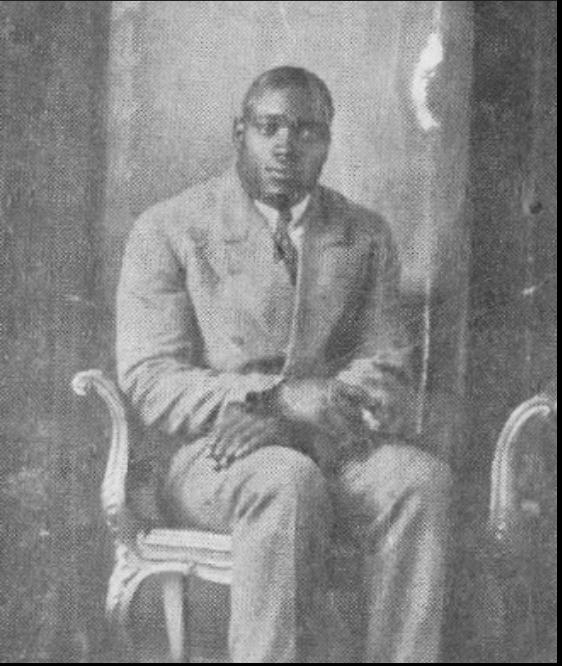
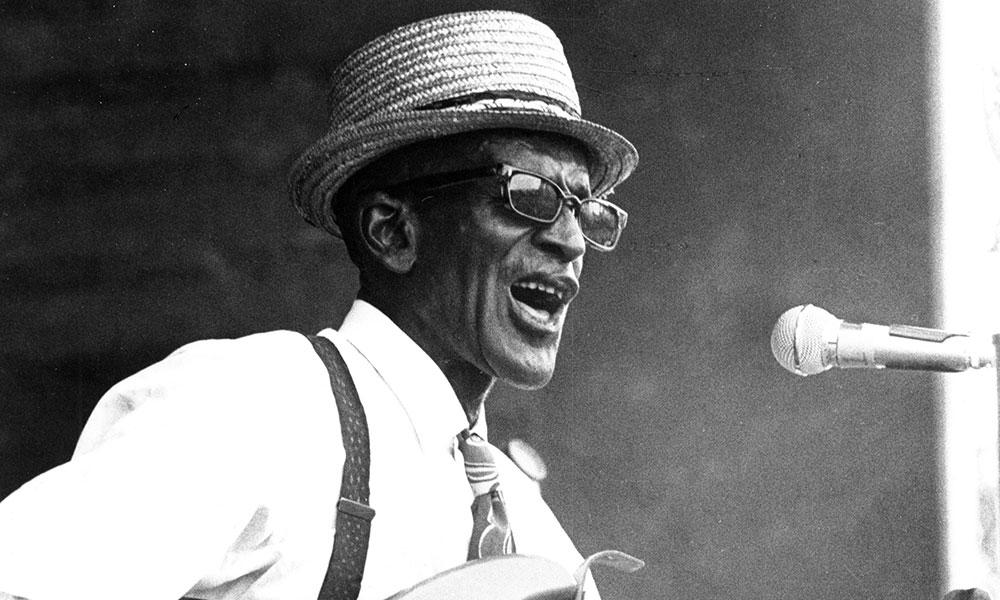
Casey Bill Weldon’s Spotify BioSteel guitarist Will Weldon is remembered as Casey Bill Weldon, and was also known in his time as Kansas City Bill and Levee Joe. "Casey", like "KC" or "Kaycee," referred to his links with the Kansas City music scene, although he could just as easily have been named after Pine Bluff, AK where he was born in 1909, or Atlanta or Memphis where he made his first recordings in 1927 after performing in medicine shows throughout the south. Inspired directly by the great Peetie Wheatstraw, Weldon was equally adept at expressing himself as a passionate blues singer and as a honky-tonk "country" performer who contributed to the development of Western swing. He was sometimes billed as the Hawaiian Guitar Wizard. The "Guitar Wizard" handle was borrowed from Tampa Red whereas the Polynesian reference stems back through Sol Hoopi's influence on the transportation of guitars by Portuguese sailors in the 18th century, and the subsequent development of the steel guitar by indigenous Hawaiians. Weldon's… use of the steel (as opposed to bottleneck slide) guitar as a blues instrument was innovative, and his stylistic choices have since made him difficult to pigeonhole. Events leading to the dissolution of his short-lived marriage to Memphis Minnie may have inspired his three best-known tunes, which are staples in the classic blues repertoire: "Somebody's Got to Go," "Somebody Changed the Lock on My Door," and "We Gonna Move to the Outskirts of Town."
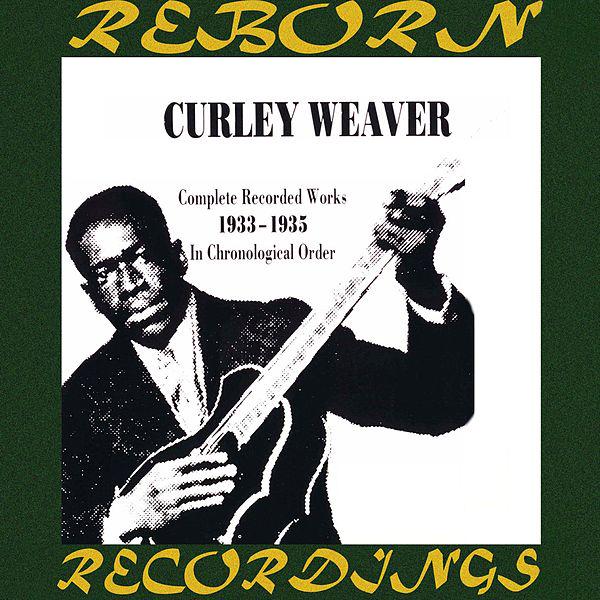
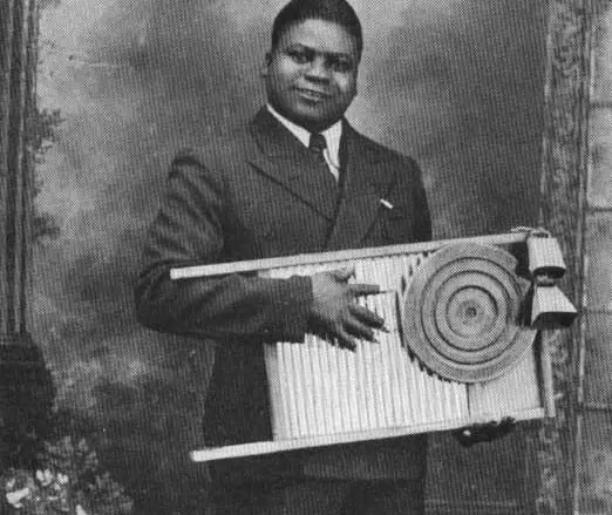
Weldon recorded extensively under his own name during the years 1935-1938. Additionally, a thorough examination of his 11-year recording career reveals collaborations with Memphis Minnie, the Memphis Jug Band, Charlie Burse & the Picaninny Jug Band, Vol Stevens, Ollie Rupert, Leroy Henderson, Arnett Nelson, Tampa Red, Big Bill Broonzy, Charlie & Joe McCoy, Amos Easton (also known as Bumble Bee Slim); Blind Teddy Darby, the Hokum Boys, the Brown Bombers of Swing, Washboard Sam, and of course Peetie Wheatstraw, the Devil's Son-in-Law. Although no studio recordings seem to have been made after December 1938, Weldon is known to have performed using an electrically amplified guitar in 1941, and following a move to Los Angeles, he is known to have provided incidental music for film soundtracks. In 1968, guitarist Ted Bogan ran into him in Chicago. Weldon told him he had given up being a musician and was engaged in some other line of work in Detroit. Perhaps that is where he died. Nearly 60 years after they first appeared, Casey Bill Weldon's primary recordings were reissued in three volumes by the Document label, and various selections of his works have since been presented by Document's offshoot Classic Blues as well as the EPM, Catfish, and Fremeaux labels. It is unfortunate that Weldon does not appear on Proper's Steelin' It: The Steel Guitar Story, but then neither does the amazing Ceele Burke, who recorded with Louis Armstrong, Duke Ellington, and Fats Waller in the ‘30s. Nor does Luther Jones, whose Hawaiian-style steel guitar added luster to the provocative "Grunt Meat Blues" as recorded by the Memphis Seven in 1947 and reissued years later in Columbia's box set Roots n' Blues: The Retrospective 1925-1950, a multi-racial, multi-genre collection with a lengthy personnel listing which unfortunately does not include Casey Bill Weldon. ~ arwulf arwulf, Rovi
Viberate is a music analytics platform built for A&Rs, artist managers, labels, booking agents, marketers, and artists.
It helps music professionals track artist growth, analyze audience data, monitor playlist activity, compare artists, follow song performance, and identify opportunities across the music market.
Public artist pages provide a free preview of selected artist data. Paid plans provide access to deeper analytics, historical data, charts, comparisons, playlist tools, exports, alerts, reports, and additional professional features.
Yes. Public Viberate artist pages provide selected artist analytics and music data for free.
Viberate also offers a 7-day free trial of the full platform. A credit card is required to start the trial. The trial includes access to the complete product so users can test deeper artist analytics, historical views, playlist insights, comparisons, charts, exports, alerts, and reporting features before choosing a paid plan.
Viberate provides artist analytics across streaming, playlists, social media, video, radio airplay, songs, and audience markets.
Users can analyze Spotify performance, Spotify and Apple Music playlists, YouTube activity, TikTok and Instagram growth, radio spins, song performance, audience locations, demographics, rankings, and overall artist momentum.
Artist profiles also connect to music charts, similar artists, and comparison tools, helping users benchmark performance and evaluate artists in context.
Viberate updates key artist and track data daily.
For followed artists and tracks, selected data is refreshed multiple times per day. This helps teams monitor playlist changes, streaming movement, audience growth, releases, and campaign performance with more current data.
Update frequency can vary depending on the metric and data source.
Yes. Viberate lets users compare up to five artists side by side across streaming, social media, audience, and engagement metrics.
Users can compare fanbase growth, audience demographics, locations, Spotify performance, social metrics, and other artist data over selected time periods.
Artist comparison can be used for A&R scouting, benchmarking, booking decisions, campaign planning, and evaluating artists with similar audiences or market positions.