Shirley Brown

R&B
Contemporary R&B
Soul
 Viberate Rank: 75571
 Viberate Rank: 75571
 Monthly ListenersFollowers
 Subscribers
 Followers
 Followers
 FansTop Spotify Songs
| Track | 7-Day Streams | |
|---|---|---|
1 | 40.70K | |
2 | 7.62K | |
3 | 5.95K | |
4 | 4.83K | |
5 | 4.73K |
Top YouTube VideosMonthly ListenersFeatured in Playlists| Playlist | Followers | |
|---|---|---|
1 |  70s Soul Classics Spotify | 1.88M |
2 |  Timeless Soul Ballads Spotify | 377.45K |
3 |  Classic jazz blues and soul Guy | 185.76K |
4 |  70s R&B/Soul - The Golden Era Raul Gabriel - Music | 159.69K |
5 |  Soul Classics / Funk & Soul Essentials Digster Sweden | 50.81K |
Audience| City | Monthly Listeners | |
|---|---|---|
1 |  | 23.95K |
2 | | 13.02K |
3 | | 8.02K |
4 | | 4.70K |
5 | | 2.70K |
See full performance history, audience data, playlist activity, rankings, comparisons, and more in Viberate music analytics. Start with a free trial, then continue with a paid plan.
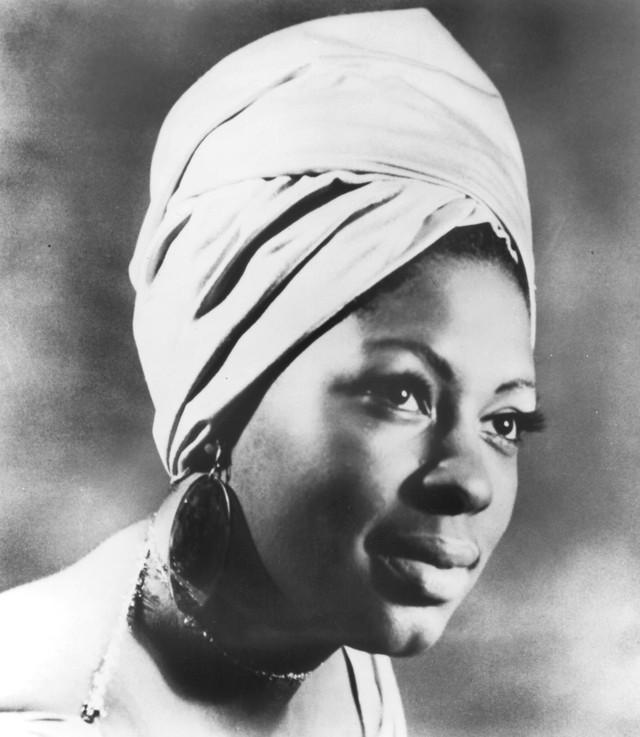
Shirley Brown’s Spotify BioBorn January 6, 1947, in West Memphis, the Browns moved to St. Louis, MO, when Shirley was very young. Cutting her teeth in church, at the age of ten, she earned a reputation in gospel circles throughout the city for delivering powerful solos. In her late teens, she concentrated on secular music and sung with many of the city's soul singers. Her first recordings, produced by Oliver Sain, did nothing nationally but made some noise locally. "I Ain't Gonna Tell" and "Love Is Built On a Strong Foundation" found their way to Memphis R&B stations, giving Brown the impetus, with the help of manager Albert King, to tryout and secured a deal with Stax Records. Brown had the last hit for Stax before the label folded. On November 14, 1974, "Woman to Woman" topped the R&B chart for two weeks.
Luck and timing caused her finest moment in music to occur, writers James Banks, Eddie Marion, and Henderson Thigpen wanted newly signed Inez Foxx ("Mockingbird") to cut the trend-setting love triangle. But, F…oxx turned it down, suggesting the long rap on the beginning made it more suitable for Issac Hayes. After "Woman," she released two more singles on Stax's Truth label: "It Ain't No Fun" and "It's Worth a Whippin'," but Stax was on its last leg, and the doors to the theater at 926 East McLemore closed forever in 1975. She signed with Arista Records in 1977, her first single "Blessed Is the Woman (With a Man Like Mine)" didn't light up the charts. Neither did two other Arista singles: "Givin' Up" and "I Can't Move No Mountains." A self titled Arista album suffered the same fate as the singles. Brown's next label, 20th Century, released "You Got to Like What I Do" in 1980 but it didn't sell and the label lost interest. The previous year Stax/Fantasy released an LP of unreleased cuts, The Real Feeling. A deal with Sound Town resulted in the LP Intimate Storm, and one single, "Leave the Bridges Standing," in 1984. Two years later, "Shootin' a Blank" on Chelsea Avenue bombed, as did a single on Black Diamond Records, "If This Is Goodbye."
At this point, Shirley couldn't buy a hit. She may have gotten discouraged, but she never quit. Despite waxing only one bona fide hit in her career, Shirley Brown still records for Malaco Records, a label she joined in 1989. She's had six albums released, including a compilation LP. She also does clubs in the South and it's a safe bet that "Woman to Woman" remains her most requested song. ~ Andrew Hamilton, Rovi
Viberate is a music analytics platform built for A&Rs, artist managers, labels, booking agents, marketers, and artists.
It helps music professionals track artist growth, analyze audience data, monitor playlist activity, compare artists, follow song performance, and identify opportunities across the music market.
Public artist pages provide a free preview of selected artist data. Paid plans provide access to deeper analytics, historical data, charts, comparisons, playlist tools, exports, alerts, reports, and additional professional features.
Yes. Public Viberate artist pages provide selected artist analytics and music data for free.
Viberate also offers a 7-day free trial of the full platform. A credit card is required to start the trial. The trial includes access to the complete product so users can test deeper artist analytics, historical views, playlist insights, comparisons, charts, exports, alerts, and reporting features before choosing a paid plan.
Viberate provides artist analytics across streaming, playlists, social media, video, radio airplay, songs, and audience markets.
Users can analyze Spotify performance, Spotify and Apple Music playlists, YouTube activity, TikTok and Instagram growth, radio spins, song performance, audience locations, demographics, rankings, and overall artist momentum.
Artist profiles also connect to music charts, similar artists, and comparison tools, helping users benchmark performance and evaluate artists in context.
Viberate updates key artist and track data daily.
For followed artists and tracks, selected data is refreshed multiple times per day. This helps teams monitor playlist changes, streaming movement, audience growth, releases, and campaign performance with more current data.
Update frequency can vary depending on the metric and data source.
Yes. Viberate lets users compare up to five artists side by side across streaming, social media, audience, and engagement metrics.
Users can compare fanbase growth, audience demographics, locations, Spotify performance, social metrics, and other artist data over selected time periods.
Artist comparison can be used for A&R scouting, benchmarking, booking decisions, campaign planning, and evaluating artists with similar audiences or market positions.