Luther Ingram

R&B
Contemporary R&B
Soul
 Viberate Rank: 111289
 Viberate Rank: 111289
 Monthly ListenersFollowers
 Subscribers
 Followers
 Followers
 FansTop Spotify SongsTop YouTube VideosMonthly ListenersFeatured in Playlists
| Playlist | Followers | |
|---|---|---|
1 |  The Black Power Mixtape 1967–1975 Spotify | 834.23K |
2 | Classic Rock Greatest Hits Scott Pruden | 341.38K |
3 |  Northern Soul - The Best 100 tunes ever! Mike Steed | 49.56K |
4 |  Best of 70s - 80s R&B Oldies Soul Music Mix / Paradise I Have Within DamnDev Radio | 38.19K |
5 |  Best of Northern Soul George Morgan | 30.65K |
Audience| City | Monthly Listeners | |
|---|---|---|
1 | | 1.45K |
2 |  | 1.33K |
3 |  | 1.03K |
4 | | 973 |
5 | | 883 |
See full performance history, audience data, playlist activity, rankings, comparisons, and more in Viberate music analytics. Start with a free trial, then continue with a paid plan.
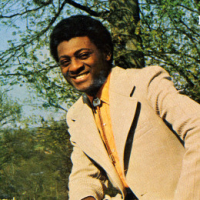
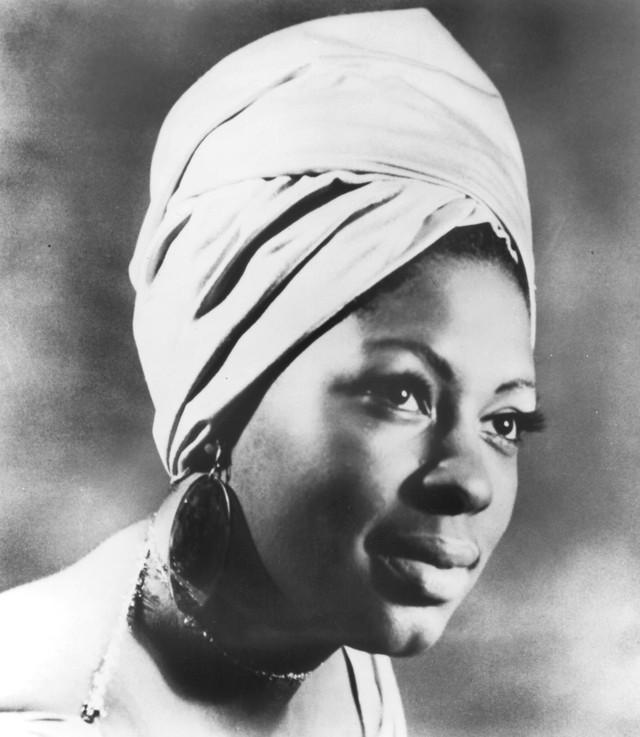
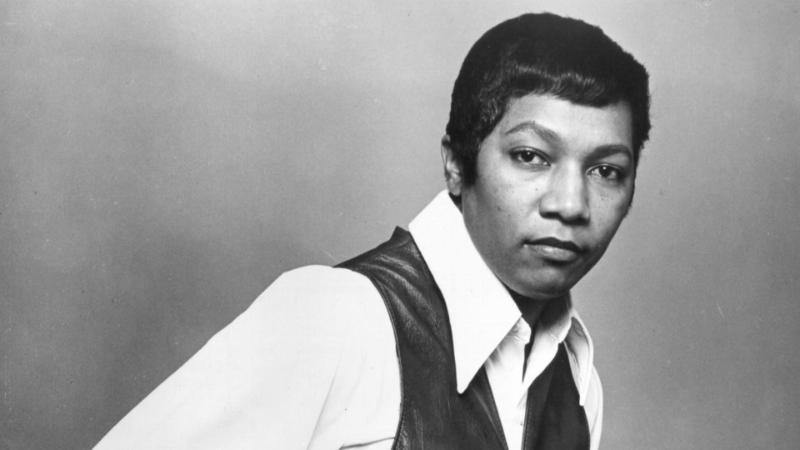
Luther Ingram’s Spotify BioWhile R&B singer Luther Ingram remains best remembered for the piercing 1972 ballad "(If Loving You Is Wrong) I Don't Want to Be Right," he was also a gifted songwriter, teaming with Mark Rice to co-write the Staple Singers' classic empowerment anthem "Respect Yourself." Born November 30, 1944, in Jackson, TN, Ingram spent the majority of his adolescence in Alton, IL, launching his singing career in a group featuring his siblings. As a teen he also began writing songs, and later ventured out as a solo act, most notably opening for Ike Turner in East St. Louis. Ingram eventually migrated to New York City, where according to legend he briefly roomed with a then-unknown Jimi Hendrix. In 1965 he signed to Decca and cut his debut single, "You Never Miss Your Water," followed by a cover of Jamo Thomas' "(I Spy) For the FBI" on Smash. After little-heard efforts for indies Hurdy-Gurdy ("Run for Your Life") and HIB (the instrumental "Exus Trek"), Ingram relocated to Memphis, signing to producer… Jimmy Baylor's fledgling KoKo label. Initial efforts like the 1967 single "I Can't Stop" and the next year's "Missing You" failed to generate much interest, but when Baylor negotiated a distribution deal with Stax Records in 1969, Ingram's fortunes improved dramatically. Later that same year he scored his first R&B Top 20 hit with "My Honey and Me." 1970's "Ain't That Loving You (For More Reasons Than One)" not only cracked the R&B Top Ten, but also peaked just outside the pop Top 40.
With his recording career flourishing, Ingram expanded into freelance songwriting, partnering with R&B veteran Rice in 1971 for the Staples' "Respect Yourself." The single was a crossover smash, fall just shy of the Billboard Top Ten, and in the years to come received cover treatments by everyone from Joe Cocker to actor Bruce Willis. A year later Ingram notched a blockbuster of his own with "(If Loving You Is Wrong) I Don't Want to Be Right," a potent tale of infidelity written by Homer Banks, Raymond Jackson, and Carl Hampton. Ingram's rich, intimate vocal proved a perfect match for the material, selling over a million copies and reaching number three on the pop charts, although country crossover queen Barbara Mandrell later scored a smash cover version as well. A series of R&B chart hits including "You Were Made for Me," "Always," and "Love Ain't Gonna Run Me Away" followed, and in 1973 he returned to the pop Top 40 one final time with the sublime "I'll Be Your Shelter (In Time of Storm)." At the peak of Ingram's fame, however, KoKo ran into financial turmoil and during the remainder of the 1970s he issued only a handful of additional singles, all of them undermined by distribution and marketing issues. After more than a decade out of the limelight, Ingram signed to Profile in 1986 and resurfaced on the R&B Top 40 with "Baby Don't Get Too Far." The minor hits "Don't Turn Around" and "Gotta Serve Somebody" followed, and in 1992 he wrapped his recording career with the Ichiban single "I Like the Feeling." After years of health struggles including kidney disease and diabetes, Ingram died of heart failure on March 19, 2007. ~ Jason Ankeny, Rovi
Viberate is a music analytics platform built for A&Rs, artist managers, labels, booking agents, marketers, and artists.
It helps music professionals track artist growth, analyze audience data, monitor playlist activity, compare artists, follow song performance, and identify opportunities across the music market.
Public artist pages provide a free preview of selected artist data. Paid plans provide access to deeper analytics, historical data, charts, comparisons, playlist tools, exports, alerts, reports, and additional professional features.
Yes. Public Viberate artist pages provide selected artist analytics and music data for free.
Viberate also offers a 7-day free trial of the full platform. A credit card is required to start the trial. The trial includes access to the complete product so users can test deeper artist analytics, historical views, playlist insights, comparisons, charts, exports, alerts, and reporting features before choosing a paid plan.
Viberate provides artist analytics across streaming, playlists, social media, video, radio airplay, songs, and audience markets.
Users can analyze Spotify performance, Spotify and Apple Music playlists, YouTube activity, TikTok and Instagram growth, radio spins, song performance, audience locations, demographics, rankings, and overall artist momentum.
Artist profiles also connect to music charts, similar artists, and comparison tools, helping users benchmark performance and evaluate artists in context.
Viberate updates key artist and track data daily.
For followed artists and tracks, selected data is refreshed multiple times per day. This helps teams monitor playlist changes, streaming movement, audience growth, releases, and campaign performance with more current data.
Update frequency can vary depending on the metric and data source.
Yes. Viberate lets users compare up to five artists side by side across streaming, social media, audience, and engagement metrics.
Users can compare fanbase growth, audience demographics, locations, Spotify performance, social metrics, and other artist data over selected time periods.
Artist comparison can be used for A&R scouting, benchmarking, booking decisions, campaign planning, and evaluating artists with similar audiences or market positions.