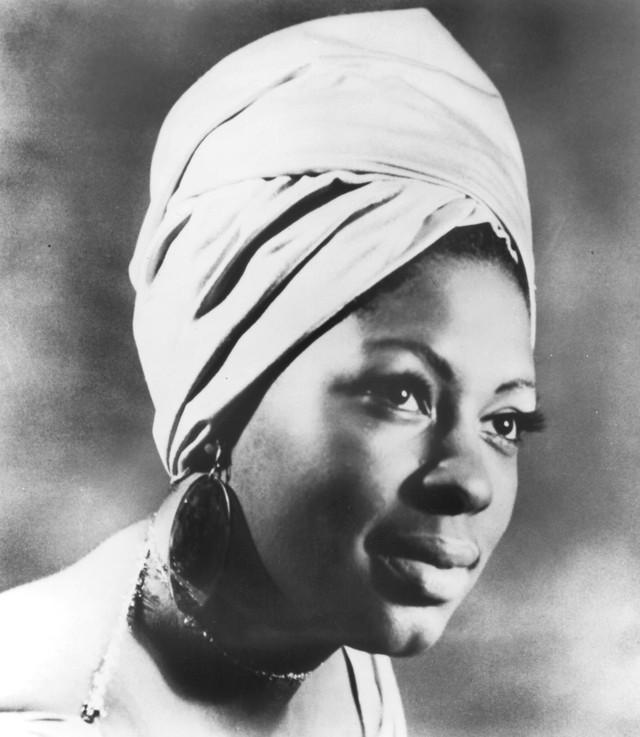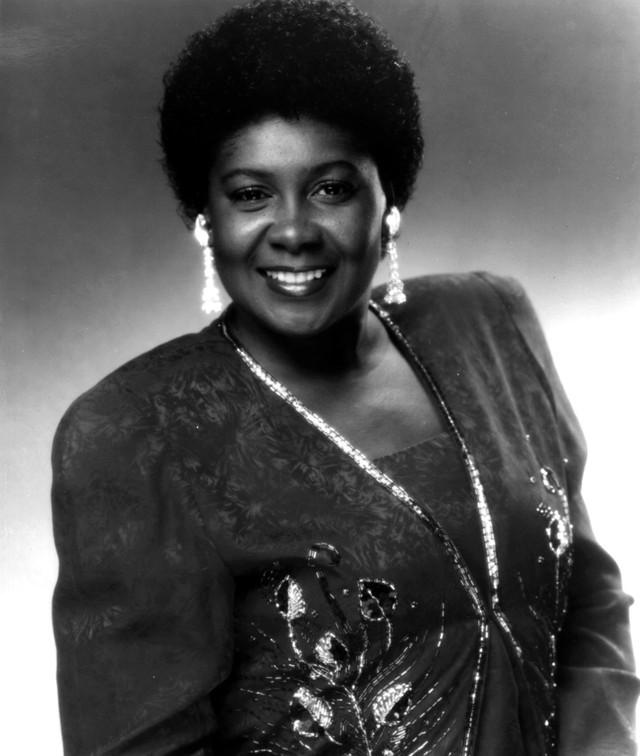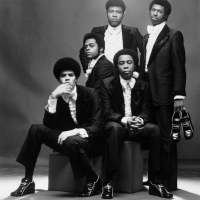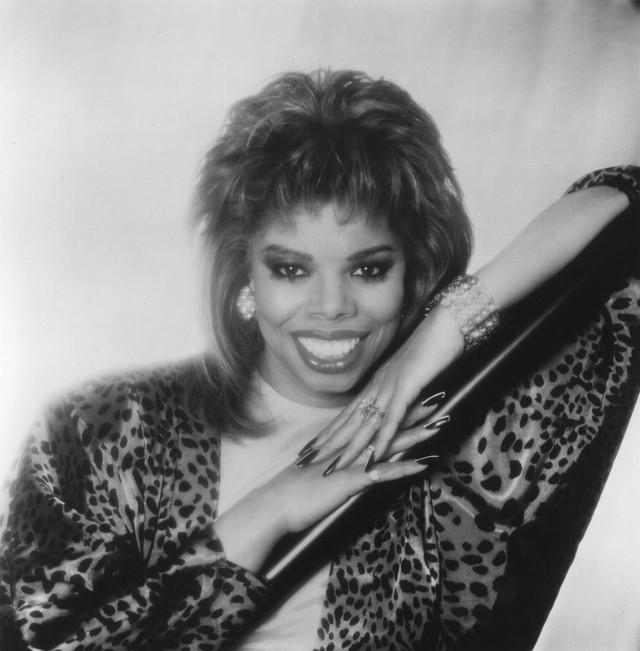
Millie Jackson

R&B
Contemporary R&B
Soul
Funk
 Viberate Rank: 57108
 Viberate Rank: 57108
 Monthly ListenersFollowers
 Subscribers
 Followers
 Followers
 FansTop Spotify Songs
| Track | 7-Day Streams | |
|---|---|---|
1 | 33.84K | |
2 | 21.38K | |
3 | 12.83K | |
4 | 5.96K | |
5 | 4.56K |
Top YouTube Videos| Video | 7-Day Views | |
|---|---|---|
1 | 5.42K | |
2 | 4.62K | |
3 | 1.49K | |
4 | 1.41K | |
5 | 818 |
Monthly ListenersFeatured in Playlists| Playlist | Followers | |
|---|---|---|
1 |  70s Soul Classics Spotify | 1.88M |
2 |  Dance Music 2026 💥 dance party hits 🥂 Filtr Sweden | 672.55K |
3 |  DISCOLAND Spotify | 348.46K |
4 |  Nu-Disco Spotify | 169.28K |
5 | While You Work (@whileyouwork) Eli Feghali | 81.75K |
Audience| City | Monthly Listeners | |
|---|---|---|
1 |  | 33.38K |
2 | | 20.25K |
3 | | 10.94K |
4 | | 5.96K |
5 |  | 4.34K |
See full performance history, audience data, playlist activity, rankings, comparisons, and more in Viberate music analytics. Start with a free trial, then continue with a paid plan.
Millie Jackson’s Spotify BioMillie Jackson's first taste of singing in front of an audience occurred one night at the famed nightclub Smalls Paradise. Sitting in the audience with friends, Jackson heckled the lady onstage and, when dared to do better, she stepped up to belt Ben E. King's "Don't Play It No More." Jackson was hired for another gig within two weeks, but didn't get paid. A gentleman by the name of Tony Rice took her to a venue in Hoboken, NJ, a couple of weeks later and then on to Brooklyn, NY, to perform for a nominal fee.
Born in Thompson, GA, Jackson lived with her grandmother prior to moving to Newark, NJ, to live with her father in 1958. She grew up influenced by the sounds of Otis Redding, Sam Cooke, and later, the O'Jays. Her first single to chart was 1971's deceptively titled "A Child of God (It's Hard to Believe)," which many thought was a gospel track. Due to its heated lyrical content, the single was canceled, but still managed to peak at number 22 on the R&B charts. In the spring of 1972,… Jackson had her first R&B Top Ten single with "Ask Me What You Want." She kept busy performing in nightclubs and enjoyed her second consecutive Top Ten single with "My Man, A Sweet Man" in August of 1972; it peaked at number seven. (Ironically, the song was not one of Jackson's favorites.) A year later, Jackson, whose vocal texture is similar to one of her idols, Gladys Knight, had her third Top Ten single with the moderately paced "Hurts So Good," which peaked at number three on the R&B charts and made the pop Top 40. The single bore the title of her album and was also featured on the movie soundtrack for Cleopatra Jones. Jackson produced the album with Brad Shapiro. However, she was only given credit for the album concept. In Jackson's own words, "...that's when they (label owners) met the real Millie Jackson." Thereafter, she was given credit for her efforts.
In January of 1975, Jackson released the album that would introduce what would later become her trademark rap style of racy, raunchy language; her audience loved it. The album was Caught Up and the featured release was "If Loving You Is Wrong I Don't Want to Be Right," for which she received two Grammy nominations. Jackson openly admits that she never had singing lessons and never thought she could sing. Consequently, she began to talk (or what was commonly known at the time as rap) on her songs in a blunt, candid manner to make up for the shortcoming and had her fourth Top Ten single with country singer Merle Haggard's "If You're Not Back in Love by Monday" (Billboard country charts number two). Jackson's version peaked at number five on the R&B charts. Over the next ten years, Jackson had numerous Top 100 singles for Spring Records. In 1986, she signed with Jive and released her fifth and sixth Top Ten singles in "Hot! Wild! Unrestricted! Crazy Love" and "Love Is a Dangerous Game, both respectively peaking at number nine and six on the R&B charts. In addition to her impressive music career, Jackson wrote the play Young Man, Older Woman; the play toured for four years. Her attention, though, has turned to the broadcast booth as a radio program host on the afternoon radio show in Dallas, TX. According to Billboard, Jackson is one of the top R&B acts to ever record or step onto a stage and is still giving her fans what they want as a radio host and a performer. ~ Craig Lytle, Rovi
Viberate is a music analytics platform built for A&Rs, artist managers, labels, booking agents, marketers, and artists.
It helps music professionals track artist growth, analyze audience data, monitor playlist activity, compare artists, follow song performance, and identify opportunities across the music market.
Public artist pages provide a free preview of selected artist data. Paid plans provide access to deeper analytics, historical data, charts, comparisons, playlist tools, exports, alerts, reports, and additional professional features.
Yes. Public Viberate artist pages provide selected artist analytics and music data for free.
Viberate also offers a 7-day free trial of the full platform. A credit card is required to start the trial. The trial includes access to the complete product so users can test deeper artist analytics, historical views, playlist insights, comparisons, charts, exports, alerts, and reporting features before choosing a paid plan.
Viberate provides artist analytics across streaming, playlists, social media, video, radio airplay, songs, and audience markets.
Users can analyze Spotify performance, Spotify and Apple Music playlists, YouTube activity, TikTok and Instagram growth, radio spins, song performance, audience locations, demographics, rankings, and overall artist momentum.
Artist profiles also connect to music charts, similar artists, and comparison tools, helping users benchmark performance and evaluate artists in context.
Viberate updates key artist and track data daily.
For followed artists and tracks, selected data is refreshed multiple times per day. This helps teams monitor playlist changes, streaming movement, audience growth, releases, and campaign performance with more current data.
Update frequency can vary depending on the metric and data source.
Yes. Viberate lets users compare up to five artists side by side across streaming, social media, audience, and engagement metrics.
Users can compare fanbase growth, audience demographics, locations, Spotify performance, social metrics, and other artist data over selected time periods.
Artist comparison can be used for A&R scouting, benchmarking, booking decisions, campaign planning, and evaluating artists with similar audiences or market positions.