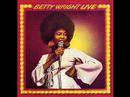
Betty Wright

R&B
Contemporary R&B
Soul
 Viberate Rank: 16800
 Viberate Rank: 16800
 Monthly ListenersFollowers
 Subscribers
 Followers
 Followers
 FansTop Spotify Songs
| Track | 7-Day Streams | |
|---|---|---|
1 | 90.95K | |
2 | 52.90K | |
3 | 39.97K | |
4 | 32.98K | |
5 | 15.39K |
Top YouTube Videos| Video | 7-Day Views | |
|---|---|---|
1 | 20.37K | |
2 | 9.23K | |
3 | 6.86K | |
4 | 4.33K | |
5 | 3.63K |
Monthly ListenersFeatured in Playlists| Playlist | Followers | |
|---|---|---|
1 |  Funk & Soul Classics Spotify | 1.91M |
2 |  70s Party Spotify | 834.27K |
3 |  The Black Power Mixtape 1967–1975 Spotify | 834.24K |
4 |  Easy 70s Spotify | 518.83K |
5 |  Blonded Frank Ocean | 307.41K |
Audience| City | Monthly Listeners | |
|---|---|---|
1 |  | 23.60K |
2 |  | 10.19K |
3 | | 8.17K |
4 |  | 7.77K |
5 | | 7.22K |
See full performance history, audience data, playlist activity, rankings, comparisons, and more in Viberate music analytics. Start with a free trial, then continue with a paid plan.
Betty Wright’s Spotify BioBetty Wright (born Bessie Regina Norris) is an iconic soul and R&B artist best known for the hits “Clean Up Woman” and the GRAMMY-winning “Where Is the Love,” two of the defining crossover records of the 1970s. Those recordings only begin to reflect the breadth of a six-decade career felt across generations and genres of music.
Both a powerhouse vocalist and a nuanced song stylist, Wright combined church-trained grit with remarkable control, including her use of the whistle register. She was a songwriter of uncommon honesty and a hands-on producer and arranger who developed her own material and supported the work of other artists.
Wright began singing as a child with her family’s gospel group before transitioning into secular music, charting at 14 with “Girls Can’t Do What the Guys Do." Then came “Clean Up Woman,” a major R&B and pop hit that remains one of the most widely sampled recordings in modern music. In the 1970s, Wright had a run of hit albums and charting singles, including… “Tonight Is the Night,” a live recording that became one of her signature songs.
In the 1980s, Wright founded Ms. B Music, becoming the first female artist to earn a gold album on her own imprint for Mother Wit. Her catalog became core source material for sampling, extending her influence. Betty Wright also mentored a new generation including Joss Stone, Skip Marley, and DJ Khaled. Since her passing her legacy is stewarded by her daughters through Betty Wright Legacy Entertainment.
Viberate is a music analytics platform built for A&Rs, artist managers, labels, booking agents, marketers, and artists.
It helps music professionals track artist growth, analyze audience data, monitor playlist activity, compare artists, follow song performance, and identify opportunities across the music market.
Public artist pages provide a free preview of selected artist data. Paid plans provide access to deeper analytics, historical data, charts, comparisons, playlist tools, exports, alerts, reports, and additional professional features.
Yes. Public Viberate artist pages provide selected artist analytics and music data for free.
Viberate also offers a 7-day free trial of the full platform. A credit card is required to start the trial. The trial includes access to the complete product so users can test deeper artist analytics, historical views, playlist insights, comparisons, charts, exports, alerts, and reporting features before choosing a paid plan.
Viberate provides artist analytics across streaming, playlists, social media, video, radio airplay, songs, and audience markets.
Users can analyze Spotify performance, Spotify and Apple Music playlists, YouTube activity, TikTok and Instagram growth, radio spins, song performance, audience locations, demographics, rankings, and overall artist momentum.
Artist profiles also connect to music charts, similar artists, and comparison tools, helping users benchmark performance and evaluate artists in context.
Viberate updates key artist and track data daily.
For followed artists and tracks, selected data is refreshed multiple times per day. This helps teams monitor playlist changes, streaming movement, audience growth, releases, and campaign performance with more current data.
Update frequency can vary depending on the metric and data source.
Yes. Viberate lets users compare up to five artists side by side across streaming, social media, audience, and engagement metrics.
Users can compare fanbase growth, audience demographics, locations, Spotify performance, social metrics, and other artist data over selected time periods.
Artist comparison can be used for A&R scouting, benchmarking, booking decisions, campaign planning, and evaluating artists with similar audiences or market positions.