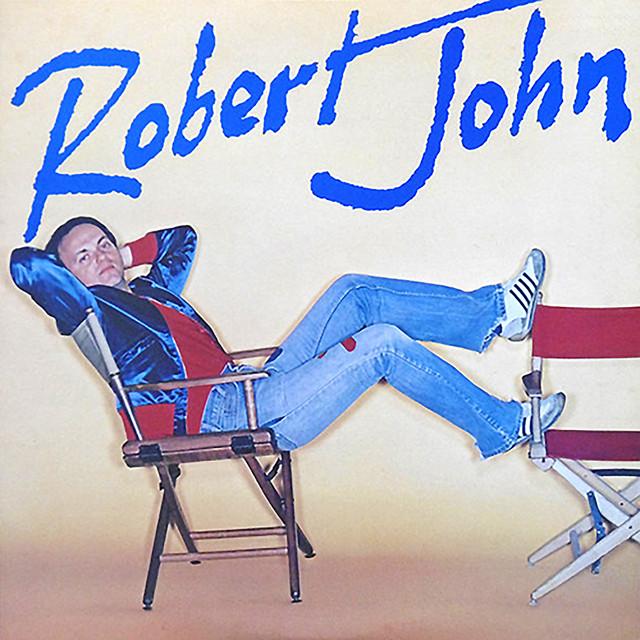
Robert John

Rock
Folk Rock
 Viberate Rank: 85643
 Viberate Rank: 85643
 Monthly ListenersFollowers
 Subscribers
 Followers
 Followers
 FansTop Spotify Songs
| Track | 7-Day Streams | |
|---|---|---|
1 | 153.34K | |
2 | 7.53K | |
3 | 3.35K | |
4 | 2.42K | |
5 | 653 |
Top YouTube VideosMonthly ListenersFeatured in Playlists| Playlist | Followers | |
|---|---|---|
1 |  Free & Easy Spotify | 190.78K |
2 | 1970's Disco HITS Oscar Mesta | 135.76K |
3 | Māori Shed Party 🤙🏽 Tyra Dunn | 98.83K |
4 |  Dear Anthony: Questlove's Defense Of Yacht Rock, Smooth Soul & Dentist Office Pop Ahmir Khalib Thompson | 78.25K |
5 | Mat Young | 67.69K |
Audience| City | Monthly Listeners | |
|---|---|---|
1 |  | 3.69K |
2 | | 3.39K |
3 |  | 3.26K |
4 | | 3.26K |
5 | | 3.19K |
See full performance history, audience data, playlist activity, rankings, comparisons, and more in Viberate music analytics. Start with a free trial, then continue with a paid plan.
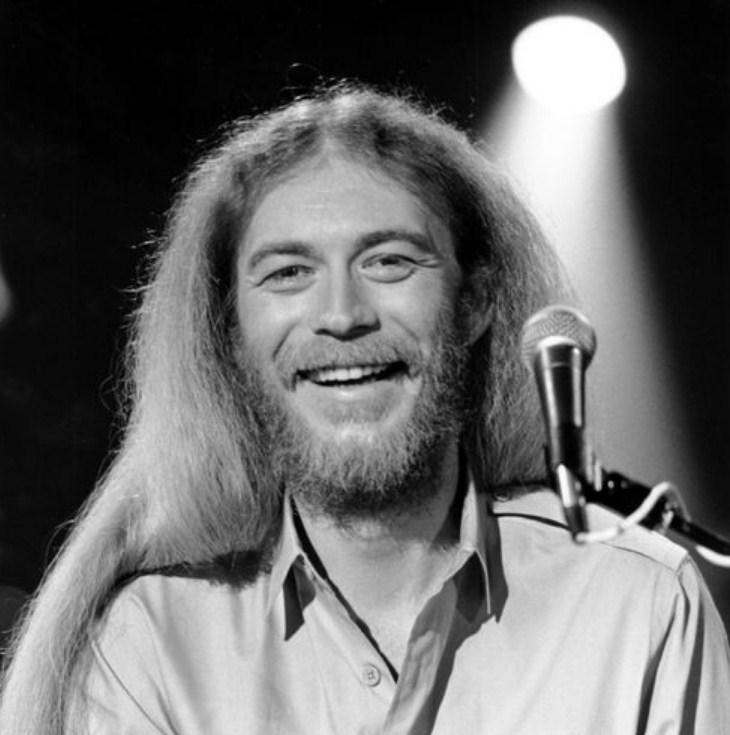
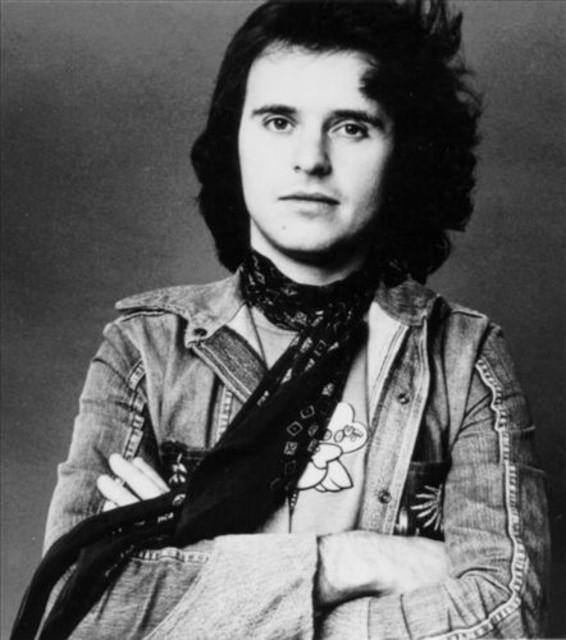
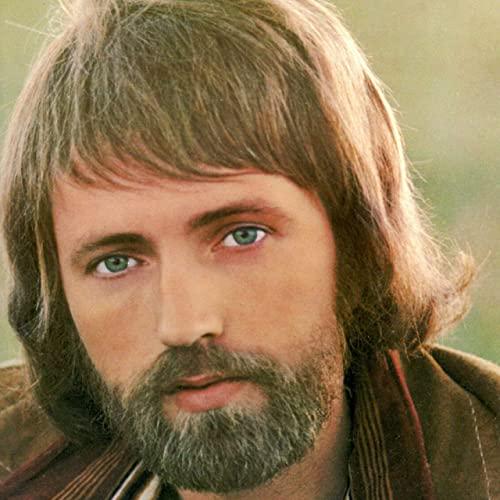
Robert John’s Spotify BioBest-known for his 1979 number one hit "Sad Eyes," pop singer Robert John actually charted for the first time in 1958 as a doo wop singer, giving him one of the longest spans ever between an artist's chart debut and first number one single. John was born Robert John Pedrick Jr. in Brooklyn in 1946; armed with a distinctively high tenor voice, he first recorded for Big Top at age 12, billed as Bobby Pedrick. His debut single, "White Bucks and Saddle Shoes," charted in 1958, as did the follow-up "Pajama Party" early the next year. Pedrick shuffled between at least seven labels over the course of the '60s, recording a few singles along the way that failed to match his earlier success. He led the short-lived group Bobby & the Consoles in 1963, and also moonlighted as a record producer, helming an obscure folk-pop single by the Carousel in 1967; the following year, he began billing himself as Robert John. In 1971, he signed with Atlantic and soon landed a Top Ten smash with a remake of "The… Lion Sleeps Tonight," which showed that the vocal range of his youth hadn't changed much; no more hits appeared to be forthcoming, though, and John was sent packing. In 1979, he resurfaced on EMI with the album Night Songs, and late that year, the smooth pop ballad "Sad Eyes" went all the way to number one. No follow-up proved nearly as popular and John resumed his nomadic career path; his last chart single came in 1983 with a remake of "Bread and Butter" on Motown. ~ Steve Huey, Rovi
Viberate is a music analytics platform built for A&Rs, artist managers, labels, booking agents, marketers, and artists.
It helps music professionals track artist growth, analyze audience data, monitor playlist activity, compare artists, follow song performance, and identify opportunities across the music market.
Public artist pages provide a free preview of selected artist data. Paid plans provide access to deeper analytics, historical data, charts, comparisons, playlist tools, exports, alerts, reports, and additional professional features.
Yes. Public Viberate artist pages provide selected artist analytics and music data for free.
Viberate also offers a 7-day free trial of the full platform. A credit card is required to start the trial. The trial includes access to the complete product so users can test deeper artist analytics, historical views, playlist insights, comparisons, charts, exports, alerts, and reporting features before choosing a paid plan.
Viberate provides artist analytics across streaming, playlists, social media, video, radio airplay, songs, and audience markets.
Users can analyze Spotify performance, Spotify and Apple Music playlists, YouTube activity, TikTok and Instagram growth, radio spins, song performance, audience locations, demographics, rankings, and overall artist momentum.
Artist profiles also connect to music charts, similar artists, and comparison tools, helping users benchmark performance and evaluate artists in context.
Viberate updates key artist and track data daily.
For followed artists and tracks, selected data is refreshed multiple times per day. This helps teams monitor playlist changes, streaming movement, audience growth, releases, and campaign performance with more current data.
Update frequency can vary depending on the metric and data source.
Yes. Viberate lets users compare up to five artists side by side across streaming, social media, audience, and engagement metrics.
Users can compare fanbase growth, audience demographics, locations, Spotify performance, social metrics, and other artist data over selected time periods.
Artist comparison can be used for A&R scouting, benchmarking, booking decisions, campaign planning, and evaluating artists with similar audiences or market positions.