Sammy Johns

Rock
Folk Rock
Contemporary Country
 Viberate Rank: 116840
 Viberate Rank: 116840
 Monthly ListenersFollowers
 Subscribers
 Followers
 Followers
 FansTop Spotify Songs
| Track | 7-Day Streams | |
|---|---|---|
1 | 63.35K | |
2 | 1.70K | |
3 | 343 | |
4 | 210 | |
5 | 148 |
Top YouTube VideosMonthly ListenersFeatured in Playlists| Playlist | Followers | |
|---|---|---|
1 |  Soft Rock Drive Spotify | 321.08K |
2 | Hippie Music 1960s-1970s moonietunes2 | 49.51K |
3 | ssupper-naturall FiFiZappa | 28.63K |
4 | 70's ONE Hit Wonders Timothy Scott Palomera | 27.31K |
5 |  Greatest Hits of All Time DJ-on | 25.78K |
Audience| City | Monthly Listeners | |
|---|---|---|
1 | | 2.16K |
2 | | 2.05K |
3 | | 1.66K |
4 |  | 1.55K |
5 | | 1.53K |
See full performance history, audience data, playlist activity, rankings, comparisons, and more in Viberate music analytics. Start with a free trial, then continue with a paid plan.
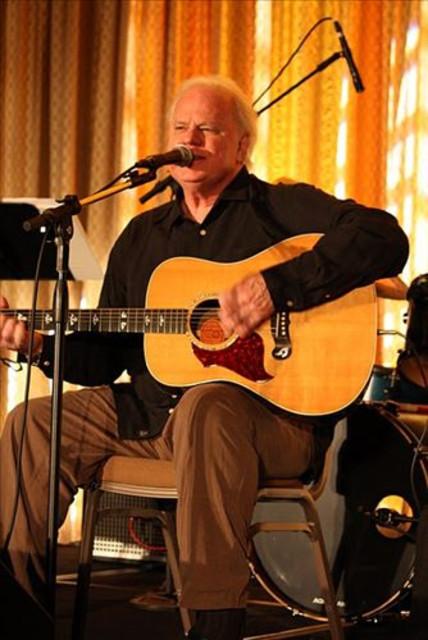
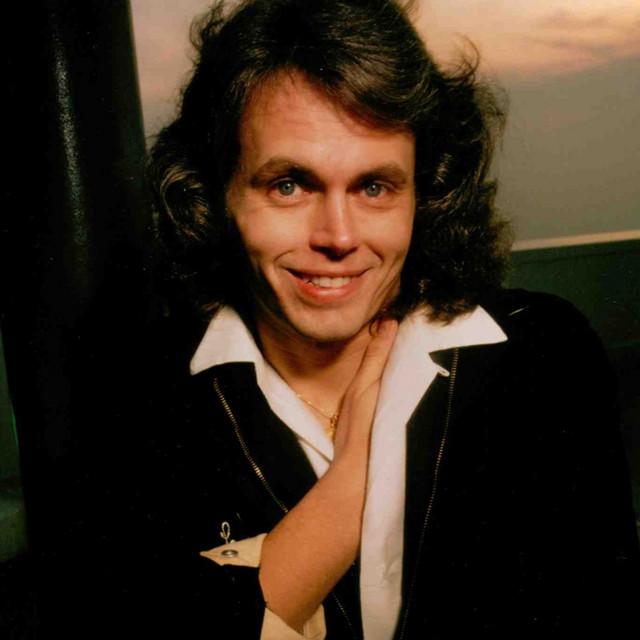
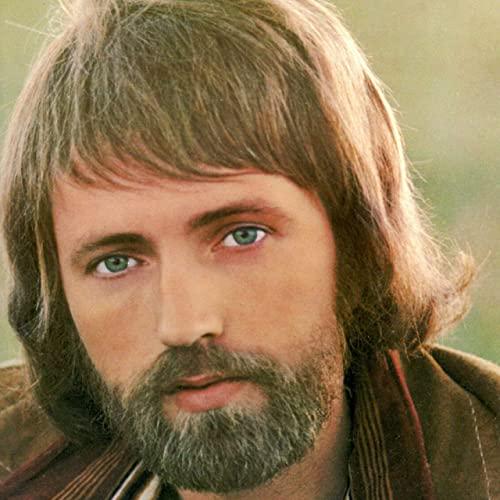
Sammy Johns’ Spotify BioSammy Johns has written a number of hit songs for other artists, but the one he will always be remembered for is the one he recorded himself. "Chevy Van," a song about a loose-loving man who picks up a woman while he's on the road, struck a loud chord with listeners in the sexually liberated '70s when Johns released it mid-decade. His mellow and easy style made love that was free and easy seem natural when he sang, "We made love in my Chevy van, and that's all right with me." The singer/songwriter sold more than three million copies in 1975, and the single flew to the top of the charts. The following year, van sales soared.
Johns didn't start out to write songs for other artists, but that's where he ended up. After his eponymous debut album from General Recording Corporation, which included "Chevy Van," the singer inked a deal in 1976 with Warner-Curb, which resulted in Johns working on the soundtrack to The Van, the first movie to feature Danny DeVito. The 1982 New World Records single… "Falling for You" caught the eye of Elektra, and the company took Johns aboard and issued "Love Me off the Road" and "Common Man." When country artist John Conlee covered "Common Man," the single went gold and topped the charts. Conlee made the song his theme, and Johns was on his way writing songs for others.
Among those who have recorded Johns' songs are Waylon Jennings, Sammy Kershaw, and Conway Twitty. In 1985, Jennings serenaded the Statue of Liberty with Johns' "America" on a nationally broadcast event to mark the statue's restoration. The performance helped take the single gold and "America" was nominated for song of the year in country music circles. Johns' "Desperado Love" brought Twitty his final gold record. Kershaw covered the song that started it all for Johns, "Chevy Van," on his Politics Religion, and Her album in 1996.
Like a lot of musicians, Johns started young. When he was nine, his dad presented him with a guitar. By the time he was a teenager in his hometown of Charlotte, NC, he had established his own band, the Devilles. The group performed in local clubs and cut a few records on Dixie. Shifting to Atlanta, he began to make a name for himself and snagged a record deal in 1973. General Recording Corporation put out Johns' first solo record, "Early Morning Love," the following year. ~ Linda Seida, Rovi
Viberate is a music analytics platform built for A&Rs, artist managers, labels, booking agents, marketers, and artists.
It helps music professionals track artist growth, analyze audience data, monitor playlist activity, compare artists, follow song performance, and identify opportunities across the music market.
Public artist pages provide a free preview of selected artist data. Paid plans provide access to deeper analytics, historical data, charts, comparisons, playlist tools, exports, alerts, reports, and additional professional features.
Yes. Public Viberate artist pages provide selected artist analytics and music data for free.
Viberate also offers a 7-day free trial of the full platform. A credit card is required to start the trial. The trial includes access to the complete product so users can test deeper artist analytics, historical views, playlist insights, comparisons, charts, exports, alerts, and reporting features before choosing a paid plan.
Viberate provides artist analytics across streaming, playlists, social media, video, radio airplay, songs, and audience markets.
Users can analyze Spotify performance, Spotify and Apple Music playlists, YouTube activity, TikTok and Instagram growth, radio spins, song performance, audience locations, demographics, rankings, and overall artist momentum.
Artist profiles also connect to music charts, similar artists, and comparison tools, helping users benchmark performance and evaluate artists in context.
Viberate updates key artist and track data daily.
For followed artists and tracks, selected data is refreshed multiple times per day. This helps teams monitor playlist changes, streaming movement, audience growth, releases, and campaign performance with more current data.
Update frequency can vary depending on the metric and data source.
Yes. Viberate lets users compare up to five artists side by side across streaming, social media, audience, and engagement metrics.
Users can compare fanbase growth, audience demographics, locations, Spotify performance, social metrics, and other artist data over selected time periods.
Artist comparison can be used for A&R scouting, benchmarking, booking decisions, campaign planning, and evaluating artists with similar audiences or market positions.