Bob Welch

Rock
Pop Rock
 Viberate Rank: 47350
 Viberate Rank: 47350
 Monthly ListenersFollowers
 Subscribers
 Followers
 Followers
 FansTop Spotify Songs
| Track | 7-Day Streams | |
|---|---|---|
1 | 118.20K | |
2 | 52.83K | |
3 | 5.15K | |
4 | 3.73K | |
5 | 2.41K |
Top YouTube VideosMonthly ListenersFeatured in Playlists| Playlist | Followers | |
|---|---|---|
1 |  Soft Rock Spotify | 3.55M |
2 | Classic Rock Greatest Hits Scott Pruden | 341.38K |
3 |  70s Soft Rock Spotify | 332.84K |
4 |  Soft Rock Drive Spotify | 321.08K |
5 |  80s & 90s HITS ⚡️ | The Ultimate Throwback Roman Lapčák | 111.22K |
Audience| City | Monthly Listeners | |
|---|---|---|
1 | | 4.66K |
2 |  | 4.41K |
3 | | 3.98K |
4 | | 3.83K |
5 | | 3.55K |
See full performance history, audience data, playlist activity, rankings, comparisons, and more in Viberate music analytics. Start with a free trial, then continue with a paid plan.
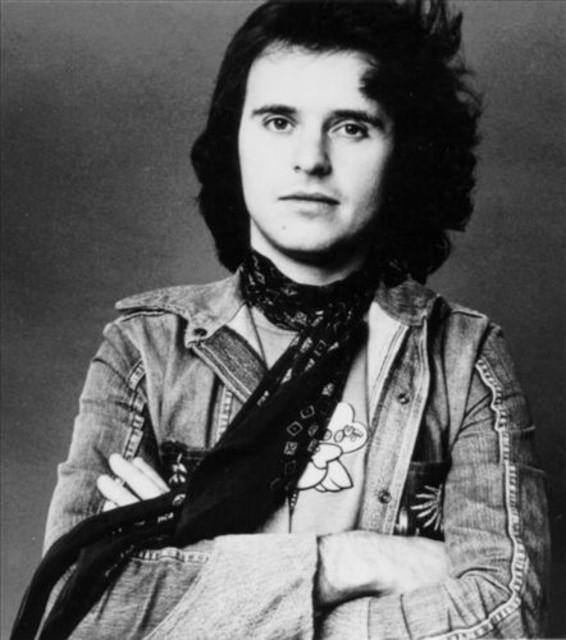
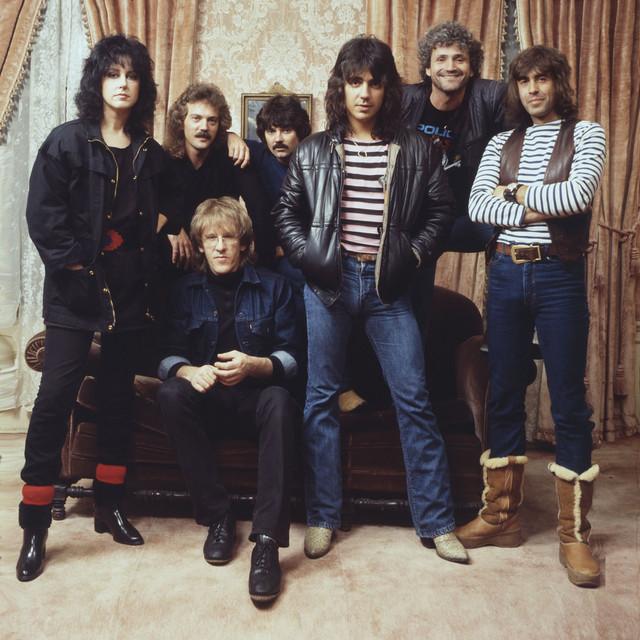
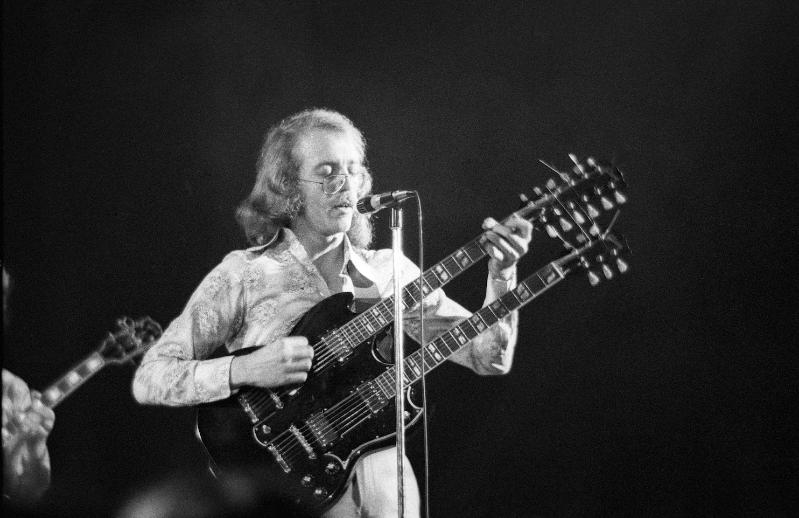
Bob Welch’s Spotify BioSinger, songwriter, and guitarist Bob Welch enjoyed a brief streak of mainstream success in the late '70s after a four-year, pre-phenomenon stint in Fleetwood Mac. In 1971, Welch replaced Jeremy Spencer and stayed for the albums Future Games (1971), Bare Trees (1972), Penguin (1973), Mystery to Me (1973), and Heroes Are Hard to Find (1974). Welch's finest Fleetwood Mac moment was the dreamily jazzy "Hypnotized" on Mystery to Me.
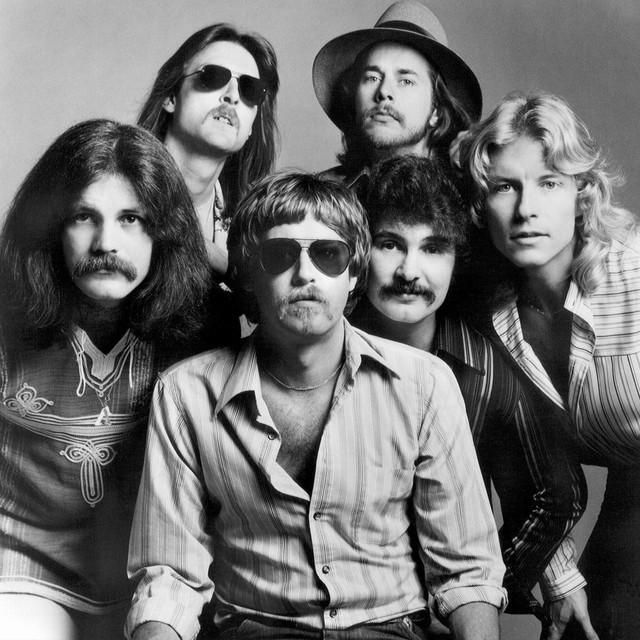
Welch was asked to stay despite the addition of Lindsey Buckingham and Stevie Nicks, but he departed and formed a hard rock trio called Paris. The band -- which included former Jethro Tull bass guitarist Glenn Cornick, former Nazz drummer Thom Mooney, and then future Tin Machine drummer Hunt Sales -- released two poorly received albums in 1976. Welch then decided to craft blatantly commercial pop music, and he succeeded with 1977's French Kiss, which went platinum and featured the hit singles "Sentimental Lady" (a re-recording of the Bare Trees cut) and "Ebony… Eyes."
Released in 1979, Three Hearts largely repeated the formula, but it only went gold; the single "Precious Love" hit the Top 40. Both albums featured guest appearances by Fleetwood Mac members. Welch released four more albums through 1983, but sales steadily declined.
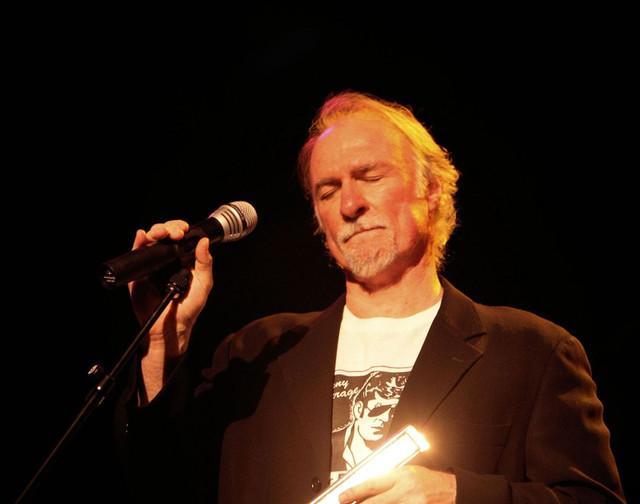
By 1987, Welch had moved to Phoenix, Arizona and formed Avenue M. In the late '90s, he pursued a songwriting career in Nashville, Tennessee. Welch also publicly clashed with his former Fleetwood Mac bandmates. In 1994, he filed a lawsuit claiming he was underpaid royalties during his tenure. The case was settled out of court, but Welch says Fleetwood Mac retaliated by having him excluded from the band's 1998 Rock and Roll Hall of Fame induction. Welch was the only early member not honored. He died from a self-inflicted gunshot wound at his home in Nashville on June 7, 2012; Bob Welch was 65 years old. ~ Bret Adams, Rovi
Viberate is a music analytics platform built for A&Rs, artist managers, labels, booking agents, marketers, and artists.
It helps music professionals track artist growth, analyze audience data, monitor playlist activity, compare artists, follow song performance, and identify opportunities across the music market.
Public artist pages provide a free preview of selected artist data. Paid plans provide access to deeper analytics, historical data, charts, comparisons, playlist tools, exports, alerts, reports, and additional professional features.
Yes. Public Viberate artist pages provide selected artist analytics and music data for free.
Viberate also offers a 7-day free trial of the full platform. A credit card is required to start the trial. The trial includes access to the complete product so users can test deeper artist analytics, historical views, playlist insights, comparisons, charts, exports, alerts, and reporting features before choosing a paid plan.
Viberate provides artist analytics across streaming, playlists, social media, video, radio airplay, songs, and audience markets.
Users can analyze Spotify performance, Spotify and Apple Music playlists, YouTube activity, TikTok and Instagram growth, radio spins, song performance, audience locations, demographics, rankings, and overall artist momentum.
Artist profiles also connect to music charts, similar artists, and comparison tools, helping users benchmark performance and evaluate artists in context.
Viberate updates key artist and track data daily.
For followed artists and tracks, selected data is refreshed multiple times per day. This helps teams monitor playlist changes, streaming movement, audience growth, releases, and campaign performance with more current data.
Update frequency can vary depending on the metric and data source.
Yes. Viberate lets users compare up to five artists side by side across streaming, social media, audience, and engagement metrics.
Users can compare fanbase growth, audience demographics, locations, Spotify performance, social metrics, and other artist data over selected time periods.
Artist comparison can be used for A&R scouting, benchmarking, booking decisions, campaign planning, and evaluating artists with similar audiences or market positions.