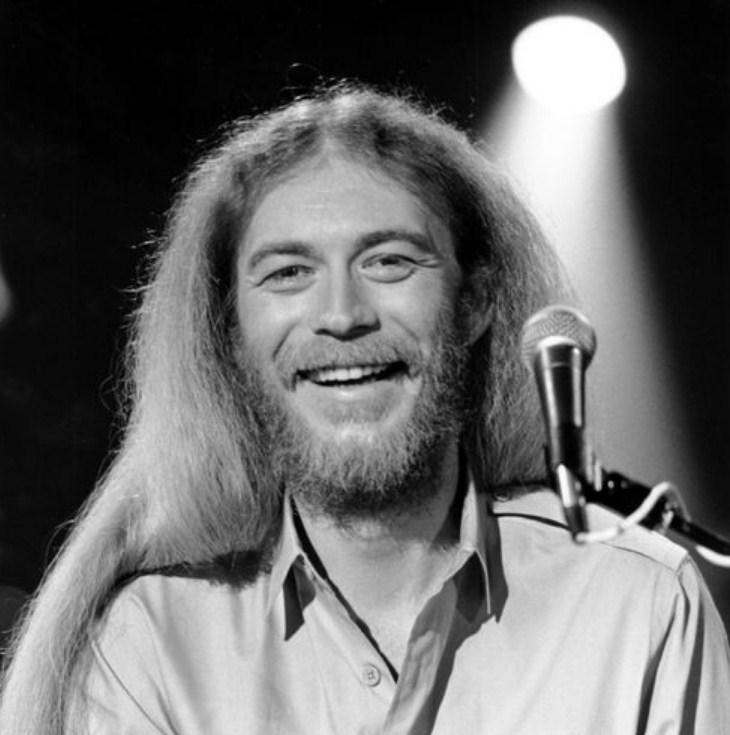
Paul Davis

Rock
Pop Rock
Americana/Alt Country
 Viberate Rank: 43605
 Viberate Rank: 43605
 Monthly ListenersFollowers
 Subscribers
 Followers
 Followers
 FansTop Spotify Songs
| Track | 7-Day Streams | |
|---|---|---|
1 | 122.52K | |
2 | 111.21K | |
3 | 25.10K | |
4 | 19.92K | |
5 | 10.39K |
Top YouTube Videos| Video | 7-Day Views | |
|---|---|---|
1 | 8.69K | |
2 | 7.71K | |
3 | 4.54K | |
4 | 4.48K | |
5 | 1.89K |
Monthly ListenersFeatured in Playlists| Playlist | Followers | |
|---|---|---|
1 |  Soft Rock Spotify | 3.55M |
2 |  Yacht Rock Spotify | 1.85M |
3 |  80s Soft Rock Spotify | 372.56K |
4 |  YACHT ROCK | TOP 100 SONGS Filtr US | 242.00K |
5 | I’m an 80’s baby Laura Nardella | 105.95K |
Audience| City | Monthly Listeners | |
|---|---|---|
1 |  | 6.82K |
2 | | 5.79K |
3 | | 5.17K |
4 | | 5.16K |
5 |  | 4.62K |
See full performance history, audience data, playlist activity, rankings, comparisons, and more in Viberate music analytics. Start with a free trial, then continue with a paid plan.
Paul Davis’ Spotify BioMississippi singer and songwriter Paul Davis enjoyed a long and diverse career in the music business, but will always be best remembered for a handful of hit singles he released in the '70s and '80s, most notably "I Go Crazy," which reflected the influence of both country and vintage Southern soul. Paul Lavon Davis was born in Meridian, Mississippi on April 21, 1948. Davis grew up with a strong interest in music, and began playing in local bands like the Six Soul Survivors and the Endless Chain when he was in his teens. In 1968, Davis' gifts as a tunesmith earned him a gig as a staff songwriter with Mississippi's Malaco Records. By 1970, Davis scored a minor regional hit with "Revolution in My Soul," a country-rock number he sang, wrote, and co-produced for White Whale Records under the group name the Reivers, and later that year he fared even better when Ilene Burns, widow of the well-respected songwriter and record man Bert Berns, offered him a contract with her late husband's label,… Bang Records. Davis' first single for Bang was a cover of the Jarmels' 1961 hit "A Little Bit of Soap," which rose to number 52 on the Billboard singles chart. The single's success led to the release of Davis' first album, 1970's A Little Bit of Paul Davis, and Davis would turn out three more albums for Bang (1972's Paul Davis, 1974's Ride 'Em Cowboy, 1976's Southern Tracks & Fantasies) and more minor hit singles (1974's "Ride 'Em Cowboy," 1976's "Thinking of You" and "Superstar") before scoring his career-defining hit in 1977.
"I Go Crazy," from the album Singer of Songs -- Teller of Tales, rose to number seven on the Billboard singles chart, and would stay in the Hot 100 for 40 weeks, setting a record that would stand until 1982. After one more album for Bang (1980's Paul Davis, which featured the Top 30 single "Do Right"), Davis signed with Arista Records and cut his most successful album, 1982's Cool Night, which peaked at number 52 on the LP charts and included three hits singles, "Cool Night," "'65 Love Affair" (which was his highest charting single, rising to number six), and "Love Me or Let Me Be Lonely." However, despite its success, Cool Night proved to be Davis' last album; he popped up on the country charts in the mid- to late '80s, singing duets with Marie Osmond (1986's "You're Still New to Me") and Tanya Tucker (1988's "I Won't Take Less Than Your Love"), but after being shot during an attempted robbery in Nashville in 1986, Davis stepped back from the spotlight and concentrated on songwriting rather than performing. In the new millennium, Davis reportedly upgraded his home recording studio and began using synthesizers to write and record new material, but before he could strike a deal to release his new songs, Davis succumbed to a heart attack, which claimed his life on April 22, 2008, only a day after he turned 60. ~ Mark Deming, Rovi
Viberate is a music analytics platform built for A&Rs, artist managers, labels, booking agents, marketers, and artists.
It helps music professionals track artist growth, analyze audience data, monitor playlist activity, compare artists, follow song performance, and identify opportunities across the music market.
Public artist pages provide a free preview of selected artist data. Paid plans provide access to deeper analytics, historical data, charts, comparisons, playlist tools, exports, alerts, reports, and additional professional features.
Yes. Public Viberate artist pages provide selected artist analytics and music data for free.
Viberate also offers a 7-day free trial of the full platform. A credit card is required to start the trial. The trial includes access to the complete product so users can test deeper artist analytics, historical views, playlist insights, comparisons, charts, exports, alerts, and reporting features before choosing a paid plan.
Viberate provides artist analytics across streaming, playlists, social media, video, radio airplay, songs, and audience markets.
Users can analyze Spotify performance, Spotify and Apple Music playlists, YouTube activity, TikTok and Instagram growth, radio spins, song performance, audience locations, demographics, rankings, and overall artist momentum.
Artist profiles also connect to music charts, similar artists, and comparison tools, helping users benchmark performance and evaluate artists in context.
Viberate updates key artist and track data daily.
For followed artists and tracks, selected data is refreshed multiple times per day. This helps teams monitor playlist changes, streaming movement, audience growth, releases, and campaign performance with more current data.
Update frequency can vary depending on the metric and data source.
Yes. Viberate lets users compare up to five artists side by side across streaming, social media, audience, and engagement metrics.
Users can compare fanbase growth, audience demographics, locations, Spotify performance, social metrics, and other artist data over selected time periods.
Artist comparison can be used for A&R scouting, benchmarking, booking decisions, campaign planning, and evaluating artists with similar audiences or market positions.