Gary Wright

Rock
Progressive Rock
Pop Rock
Synthpop
 Viberate Rank: 34398
 Viberate Rank: 34398
 Monthly ListenersFollowers
 Subscribers
 Followers
 Followers
 FansTop Spotify Songs
| Track | 7-Day Streams | |
|---|---|---|
1 | 259.37K | |
2 | 131.63K | |
3 | 25.68K | |
4 | 8.33K | |
5 | 6.68K |
Top YouTube VideosMonthly ListenersFeatured in Playlists| Playlist | Followers | |
|---|---|---|
1 |  Soft Rock Spotify | 3.55M |
2 |  Yacht Rock Spotify | 1.85M |
3 |  Soft 70s Spotify | 1.19M |
4 |  Old Songs Everyone Knows Ben Lillie | 566.30K |
5 |  Wednesday Official Playlist Spotify | 502.22K |
Audience| City | Monthly Listeners | |
|---|---|---|
1 |  | 10.41K |
2 | | 9.64K |
3 | | 9.53K |
4 |  | 8.82K |
5 | | 8.69K |
See full performance history, audience data, playlist activity, rankings, comparisons, and more in Viberate music analytics. Start with a free trial, then continue with a paid plan.
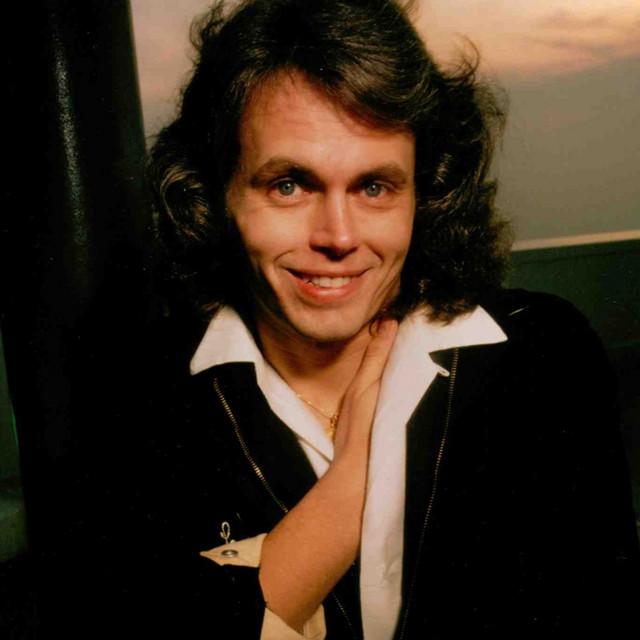
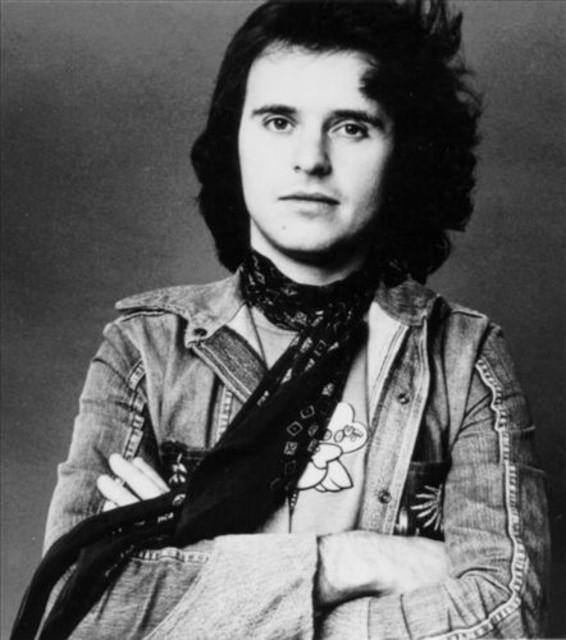
Gary Wright’s Spotify BioGary Wright was an American singer, songwriter, and keyboardist best known for his work with the British blues rock band Spooky Tooth and for his 1976 solo smash "Dream Weaver." Originally from New Jersey, Wright fell in with the late-'60s Island Records scene while studying in Europe. After releasing four albums as keyboardist and songwriter for Spooky Tooth, Wright launched a solo career in 1970. In tandem with his own work as a singer/songwriter, he forged a lasting friendship with George Harrison and played keyboards on all of the former Beatle's '70s albums. Wright found fame on his own with the eerie synthesizer-driven single "Dream Weaver" from his 1975 album of the same name. "Love is Alive" from that same album was his other major hit with both songs largely eclipsing any of his late-'70s releases. Wright later turned to film composing in the '80s and released a series of world music and new age albums over the subsequent decades while occasionally touring with a reformed… Spooky Tooth and as a member of Ringo Starr & His All-Starr Band. His final solo album, the more pop-minded Connected, was released in 2010.
Wright was born April 26, 1943 in Creskill, NJ; a former child actor who appeared on Broadway in a production of Fanny, he fronted a number of local rock bands during his high school years before turning his attention to psychology, completing his studies in Berlin at Frei University. In 1967, Wright's band, the New York Times, opened for Traffic, bringing him to the attention of Island Records owner Chris Blackwell, who in turn introduced the singer to the members of the band Art. Relocating to London, Wright joined the band, soon renamed Spooky Tooth and later emerging among the UK's premier hard blues-rock outfits. When Spooky Tooth temporarily disbanded in 1970, Wright formed the short-lived Wonderwheel with future Foreigner member Mick Jones. He also recorded a pair of solo album, 1970's Extraction and 1971's Footprint, the latter featuring George Harrison on guitar. Wright had previously played keyboards on George Harrison's landmark All Things Must Pass album; the two became close friends and regular collaborators, together taking a trip to India which inspired some of the mystical themes of Wright's subsequent solo efforts. He returned to Spooky Tooth in 1973, but when the band again dissolved the following year he returned to his solo career, scoring his greatest success with 1975's The Dream Weaver. Both its title track and "Love Is Alive" reached number two on the Billboard pop charts, and the album -- which heavily utilized synthesizer technology -- achieved platinum status. Follow-ups including Light of Smiles, 1977's Touch and Gone, and 1979's Headin' Home failed to repeat The Dream Weaver's success, however, and in 1981 Wright notched his final chart hit with "Really Wanna Know You," from The Right Place. During this time, he continued to collaborate with Harrison, playing on each of the latter's 1970s albums.
As the '80s progressed, Wright changed course and focused on composing a series of film scores including 1985's Fire and Ice, which topped the German charts. Wright's first solo album in seven years, 1988's Who Am I, featured contributions from Indian classical greats Lakshmi Shankar and L. Subramanium. In 1991, he remade "Dream Weaver" for the soundtrack of the hit film comedy Wayne's World. Wright's signature song continued to endure, finding its way into subsequent generations of pop culture through various other film placements and being sampled by hip-hop artists like 3rd Bass and Dream Warriors. In 1995 he issued his first world music effort, First Signs of Life. Human Love followed five years later. After reuniting with Spooky Tooth in 2004, Wright turned to instrumental ambient music on his next album, 2008's Waiting to Catch the Light. He followed it in 2010 with Connected, a return to the pop/rock songwriting style of his '70s heyday.
Wright continued to tour as a solo act, as part of a revived Spooky Tooth, and also as a member of Ringo Starr's all-star touring group. In 2014 he published an autobiography Dream Weaver: Music, Meditation, and My Friendship with George Harrison; two years later a "lost" album recorded in 1972 with Wonderwheel called Ring of Changes finally saw the light of day. It proved to be the last record released during his lifetime. Wright died at his home in Palos Verdes Estates on August 30, 2023, at the age of 80. ~ Jason Ankeny & Timothy Monger
Viberate is a music analytics platform built for A&Rs, artist managers, labels, booking agents, marketers, and artists.
It helps music professionals track artist growth, analyze audience data, monitor playlist activity, compare artists, follow song performance, and identify opportunities across the music market.
Public artist pages provide a free preview of selected artist data. Paid plans provide access to deeper analytics, historical data, charts, comparisons, playlist tools, exports, alerts, reports, and additional professional features.
Yes. Public Viberate artist pages provide selected artist analytics and music data for free.
Viberate also offers a 7-day free trial of the full platform. A credit card is required to start the trial. The trial includes access to the complete product so users can test deeper artist analytics, historical views, playlist insights, comparisons, charts, exports, alerts, and reporting features before choosing a paid plan.
Viberate provides artist analytics across streaming, playlists, social media, video, radio airplay, songs, and audience markets.
Users can analyze Spotify performance, Spotify and Apple Music playlists, YouTube activity, TikTok and Instagram growth, radio spins, song performance, audience locations, demographics, rankings, and overall artist momentum.
Artist profiles also connect to music charts, similar artists, and comparison tools, helping users benchmark performance and evaluate artists in context.
Viberate updates key artist and track data daily.
For followed artists and tracks, selected data is refreshed multiple times per day. This helps teams monitor playlist changes, streaming movement, audience growth, releases, and campaign performance with more current data.
Update frequency can vary depending on the metric and data source.
Yes. Viberate lets users compare up to five artists side by side across streaming, social media, audience, and engagement metrics.
Users can compare fanbase growth, audience demographics, locations, Spotify performance, social metrics, and other artist data over selected time periods.
Artist comparison can be used for A&R scouting, benchmarking, booking decisions, campaign planning, and evaluating artists with similar audiences or market positions.