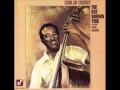
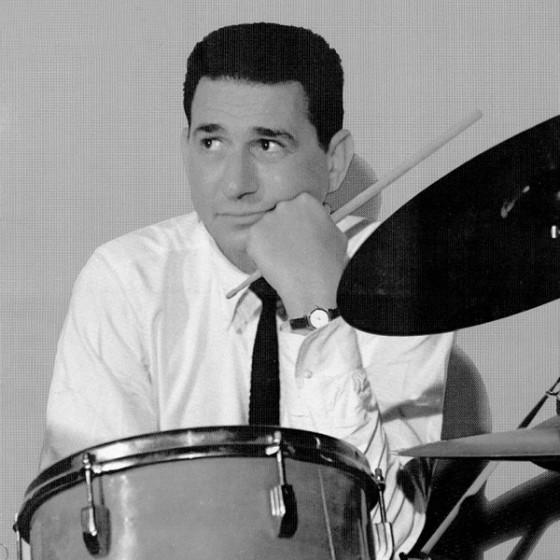
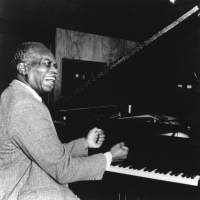
Ray Brown

Jazz
Bebop
Swing
 Viberate Rank: 60468
 Viberate Rank: 60468
 Monthly ListenersFollowers
 Subscribers
 Followers
 Followers
 FansTop Spotify Songs
| Track | 7-Day Streams | |
|---|---|---|
1 | 74.42K | |
2 | 34.11K | |
3 | 17.21K | |
4 | 14.88K | |
5 | 11.17K |
Top YouTube VideosMonthly ListenersFeatured in Playlists| Playlist | Followers | |
|---|---|---|
1 |  Jazz Guitar Classics Spotify | 135.22K |
2 |  1930's-1950's Swing & Jazz michaeldil | 126.75K |
3 |  autumn vintage jazz mrsjennaredish | 121.04K |
4 |  Haruki Murakami's vinyl collection Masamaro | 109.94K |
5 | Jazz Piano Sam Suechting | 58.62K |
Audience| City | Monthly Listeners | |
|---|---|---|
1 | | 6.35K |
2 | | 5.07K |
3 | | 4.59K |
4 | | 4.03K |
5 | | 2.77K |
See full performance history, audience data, playlist activity, rankings, comparisons, and more in Viberate music analytics. Start with a free trial, then continue with a paid plan.
Ray Brown’s Spotify BioThe huge and comfortable sound of Ray Brown's bass was a welcome feature on bop-oriented sessions for over a half-century. He played locally in his native Pittsburgh in his early days.
Arriving in New York in 1945, on his first day in town Brown met and played with Dizzy Gillespie, Charlie Parker, and Bud Powell. He was hired by Gillespie for his small groups and his big band; "One Bass Hit" and "Two Bass Hit" were early features, and he can be seen with Dizzy Gillespie in the 1947 film Jiving in Bebop. Although not a soloist on the level of an Oscar Pettiford, Brown's quick reflexes and ability to accompany soloists in a swinging fashion put him near the top of his field. After playing with Jazz at the Philharmonic, he married Ella Fitzgerald (their marriage only lasted during 1948-1952), and for a time led his own trio to back the singer. Brown recorded with an early version of the Modern Jazz Quartet (under Milt Jackson's leadership), and then became a permanent member of the Oscar… Peterson Trio (1951-1966).
With Peterson, the bassist traveled the world, guested with other top jazz artists, was featured on JATP tours, became famous, and recorded constantly. He began playing cello in the late '50s, and used it on a few of his own dates. After leaving Peterson, Brown settled in Los Angeles, worked in the studios, continued recording jazz, and worked as a manager of several artists (including the Modern Jazz Quartet and Quincy Jones). He played with the L.A. Four starting in 1974, did a great deal to revive the careers of Ernestine Anderson and Gene Harris, and recorded extensively for Pablo and Concord. The Ray Brown Trio featured pianists Gene Harris, Benny Green, and Geoff Keezer, along with drummers Jeff Hamilton and Greg Hutchison, and recorded for Concord and Telarc. He continued touring up until his death, dying in his sleep while napping before a show in Indianapolis on July 2, 2002. His last batch of sessions, working as a trio with pianist Monty Alexander and guitarist Russell Malone, were released that fall. ~ Scott Yanow, Rovi
Viberate is a music analytics platform built for A&Rs, artist managers, labels, booking agents, marketers, and artists.
It helps music professionals track artist growth, analyze audience data, monitor playlist activity, compare artists, follow song performance, and identify opportunities across the music market.
Public artist pages provide a free preview of selected artist data. Paid plans provide access to deeper analytics, historical data, charts, comparisons, playlist tools, exports, alerts, reports, and additional professional features.
Yes. Public Viberate artist pages provide selected artist analytics and music data for free.
Viberate also offers a 7-day free trial of the full platform. A credit card is required to start the trial. The trial includes access to the complete product so users can test deeper artist analytics, historical views, playlist insights, comparisons, charts, exports, alerts, and reporting features before choosing a paid plan.
Viberate provides artist analytics across streaming, playlists, social media, video, radio airplay, songs, and audience markets.
Users can analyze Spotify performance, Spotify and Apple Music playlists, YouTube activity, TikTok and Instagram growth, radio spins, song performance, audience locations, demographics, rankings, and overall artist momentum.
Artist profiles also connect to music charts, similar artists, and comparison tools, helping users benchmark performance and evaluate artists in context.
Viberate updates key artist and track data daily.
For followed artists and tracks, selected data is refreshed multiple times per day. This helps teams monitor playlist changes, streaming movement, audience growth, releases, and campaign performance with more current data.
Update frequency can vary depending on the metric and data source.
Yes. Viberate lets users compare up to five artists side by side across streaming, social media, audience, and engagement metrics.
Users can compare fanbase growth, audience demographics, locations, Spotify performance, social metrics, and other artist data over selected time periods.
Artist comparison can be used for A&R scouting, benchmarking, booking decisions, campaign planning, and evaluating artists with similar audiences or market positions.