Tommy Flanagan

Jazz
Smooth Jazz
Classical Crossover
 Viberate Rank: 59259
 Viberate Rank: 59259
 Monthly ListenersFollowers
 Subscribers
 Followers
 Followers
 FansTop Spotify Songs
| Track | 7-Day Streams | |
|---|---|---|
1 | 70.44K | |
2 | 50.13K | |
3 | 46.17K | |
4 | 28.58K | |
5 | 28.19K |
Top YouTube VideosMonthly ListenersFeatured in Playlists| Playlist | Followers | |
|---|---|---|
1 |  Jazz Classics Spotify | 5.08M |
2 |  Jazzy Dinner Spotify | 417.93K |
3 |  Dark Academia Jazz Spotify | 282.85K |
4 |  Instrumental Jazz Standards Spotify | 184.17K |
5 |  Just Jazz Spotify | 173.67K |
Audience| City | Monthly Listeners | |
|---|---|---|
1 | | 2.85K |
2 | | 1.92K |
3 | | 1.80K |
4 | | 1.66K |
5 |  | 1.58K |
See full performance history, audience data, playlist activity, rankings, comparisons, and more in Viberate music analytics. Start with a free trial, then continue with a paid plan.
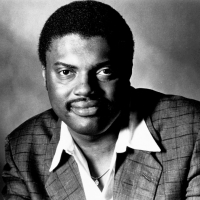
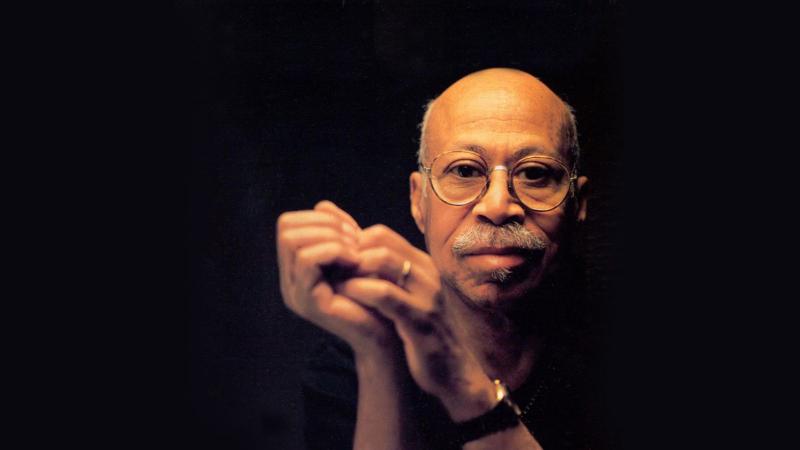
Tommy Flanagan’s Spotify BioKnown for his flawless and tasteful playing, Tommy Flanagan received long overdue recognition for his talents in the 1980s. He played clarinet when he was six and switched to piano five years later. Flanagan was an important part of the fertile Detroit jazz scene (other than 1951-1953 when he was in the Army) until he moved to New York in 1956. He was used for many recordings after his arrival during that era; cut sessions as a leader for New Jazz, Prestige, Savoy, and Moodsville; and worked regularly with Oscar Pettiford, J.J. Johnson (1956-1958), Harry "Sweets" Edison (1959-1960), and Coleman Hawkins (1961). Flanagan was Ella Fitzgerald's regular accompanist during 1963-1965 and 1968-1978, which resulted in him being underrated as a soloist. However, starting in 1975, he began leading a series of superior record sessions and since leaving Fitzgerald, Flanagan has been in demand as the head of his own trio, consistently admired for his swinging and creative bop-based style. Among the… many labels he has recorded for since 1975 are Pablo, Enja, Denon, Galaxy, Progressive, Uptown, Timeless, and several European and Japanese companies. For Blue Note, he cut Sunset and Mockingbird in 1998, followed a year later by Samba for Felix. Despite a heart condition, Flanagan continued performing until the end of his life, performing two-week stints at the Village Vanguard twice a year, recording and touring. He died on November 16, 2001, in Manhattan from an arterial aneurysm. ~ Scott Yanow, Rovi
Viberate is a music analytics platform built for A&Rs, artist managers, labels, booking agents, marketers, and artists.
It helps music professionals track artist growth, analyze audience data, monitor playlist activity, compare artists, follow song performance, and identify opportunities across the music market.
Public artist pages provide a free preview of selected artist data. Paid plans provide access to deeper analytics, historical data, charts, comparisons, playlist tools, exports, alerts, reports, and additional professional features.
Yes. Public Viberate artist pages provide selected artist analytics and music data for free.
Viberate also offers a 7-day free trial of the full platform. A credit card is required to start the trial. The trial includes access to the complete product so users can test deeper artist analytics, historical views, playlist insights, comparisons, charts, exports, alerts, and reporting features before choosing a paid plan.
Viberate provides artist analytics across streaming, playlists, social media, video, radio airplay, songs, and audience markets.
Users can analyze Spotify performance, Spotify and Apple Music playlists, YouTube activity, TikTok and Instagram growth, radio spins, song performance, audience locations, demographics, rankings, and overall artist momentum.
Artist profiles also connect to music charts, similar artists, and comparison tools, helping users benchmark performance and evaluate artists in context.
Viberate updates key artist and track data daily.
For followed artists and tracks, selected data is refreshed multiple times per day. This helps teams monitor playlist changes, streaming movement, audience growth, releases, and campaign performance with more current data.
Update frequency can vary depending on the metric and data source.
Yes. Viberate lets users compare up to five artists side by side across streaming, social media, audience, and engagement metrics.
Users can compare fanbase growth, audience demographics, locations, Spotify performance, social metrics, and other artist data over selected time periods.
Artist comparison can be used for A&R scouting, benchmarking, booking decisions, campaign planning, and evaluating artists with similar audiences or market positions.