John Lewis

Jazz
Smooth Jazz
Classic Blues
 Viberate Rank: 140891
 Viberate Rank: 140891
 Monthly ListenersFollowers
 Subscribers
 Followers
 Followers
 FansTop Spotify Songs
| Track | 7-Day Streams | |
|---|---|---|
1 | 10.04K | |
2 | 7.39K | |
3 | 6.47K | |
4 | 3.59K | |
5 | 3.19K |
Top YouTube VideosMonthly ListenersFeatured in Playlists| Playlist | Followers | |
|---|---|---|
1 |  Jazz Bar Spotify | 208.02K |
2 |  Cool Jazz Spotify | 163.13K |
3 |  Jazz Piano Classics Spotify | 158.63K |
4 |  In the Mood for Jazz Spotify | 144.33K |
5 |  Noël Chill, Jazz & Lounge Topsify France | 108.52K |
Audience| City | Monthly Listeners | |
|---|---|---|
1 |  | 1.44K |
2 | | 757 |
3 |  | 680 |
4 |  | 653 |
5 |  | 531 |
See full performance history, audience data, playlist activity, rankings, comparisons, and more in Viberate music analytics. Start with a free trial, then continue with a paid plan.
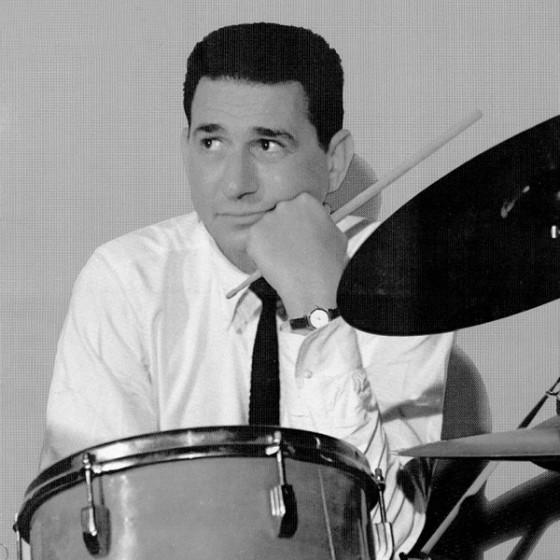
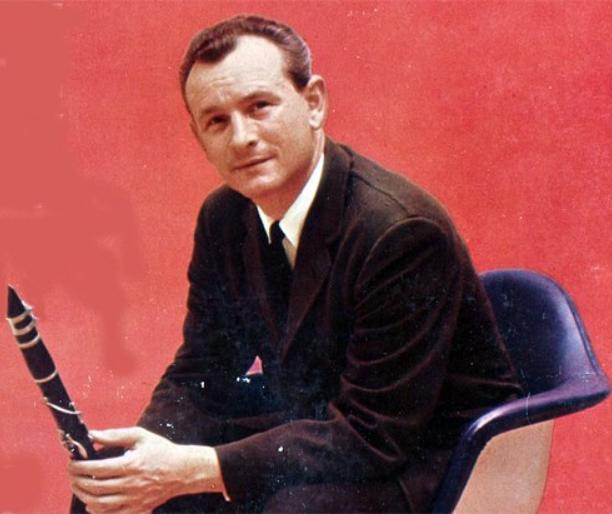
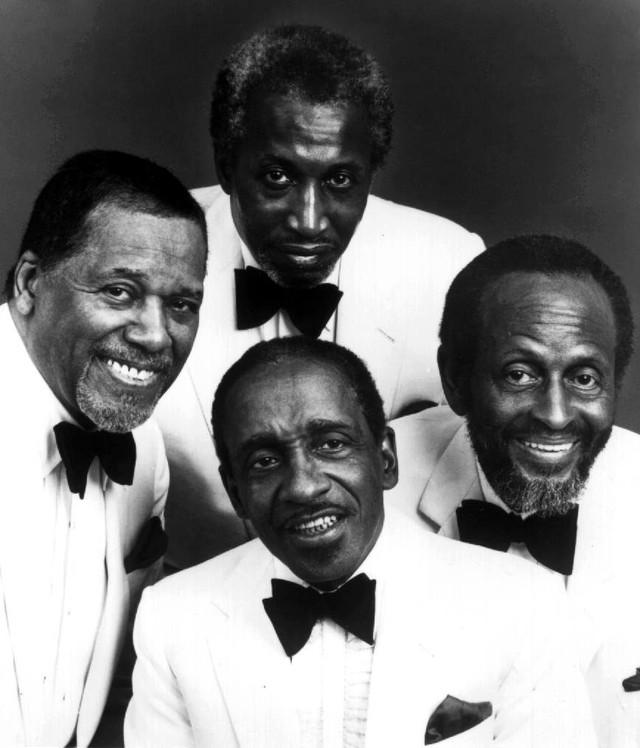
John Lewis’ Spotify BioThe musical director of the Modern Jazz Quartet for its entire history, John Lewis found the perfect outlet for his interest in bop, blues, and Bach. Possessor of a "cool" piano style that (like Count Basie's) makes every note count, Lewis with the MJQ has long helped make jazz look respectable to the classical music community without watering down his performances.
After serving in the military, Lewis was in the Dizzy Gillespie big band (1946-1948). He recorded with Charlie Parker during 1947-1948 (including "Parker's Mood"), and played with Miles Davis' Birth of the Cool Nonet, arranging "Move" and "Rouge." He worked with Illinois Jacquet (1948-1949) and Lester Young (1950-1951), and appeared on many recordings during the era. In 1951, Lewis recorded with the Milt Jackson Quartet which by 1952 became the Modern Jazz Quartet. Lewis' musical vision was fulfilled with the MJQ and he composed many pieces, with "Django" being the best-known. In addition to constantly touring with the MJQ d…uring 1952-1974, Lewis wrote the film scores to Odds Against Tomorrow, No Sun in Venice, and A Milanese Story, recorded as a leader (including the 1956 cool classic "Two Degrees East, Three Degrees West," collaborations with Gunther Schuller, and records with Svend Asmussen and Albert Mangelsdorff), and worked with Orchestra U.S.A. in the mid-'60s. When the MJQ broke up in 1974, Lewis worked as an educator and occasionally recorded as a leader. With the MJQ's rebirth in 1981, he has resumed his former role as its guiding spirit until his death in 2001. Most of Lewis' own projects were recorded for Atlantic. ~ Scott Yanow, Rovi
Viberate is a music analytics platform built for A&Rs, artist managers, labels, booking agents, marketers, and artists.
It helps music professionals track artist growth, analyze audience data, monitor playlist activity, compare artists, follow song performance, and identify opportunities across the music market.
Public artist pages provide a free preview of selected artist data. Paid plans provide access to deeper analytics, historical data, charts, comparisons, playlist tools, exports, alerts, reports, and additional professional features.
Yes. Public Viberate artist pages provide selected artist analytics and music data for free.
Viberate also offers a 7-day free trial of the full platform. A credit card is required to start the trial. The trial includes access to the complete product so users can test deeper artist analytics, historical views, playlist insights, comparisons, charts, exports, alerts, and reporting features before choosing a paid plan.
Viberate provides artist analytics across streaming, playlists, social media, video, radio airplay, songs, and audience markets.
Users can analyze Spotify performance, Spotify and Apple Music playlists, YouTube activity, TikTok and Instagram growth, radio spins, song performance, audience locations, demographics, rankings, and overall artist momentum.
Artist profiles also connect to music charts, similar artists, and comparison tools, helping users benchmark performance and evaluate artists in context.
Viberate updates key artist and track data daily.
For followed artists and tracks, selected data is refreshed multiple times per day. This helps teams monitor playlist changes, streaming movement, audience growth, releases, and campaign performance with more current data.
Update frequency can vary depending on the metric and data source.
Yes. Viberate lets users compare up to five artists side by side across streaming, social media, audience, and engagement metrics.
Users can compare fanbase growth, audience demographics, locations, Spotify performance, social metrics, and other artist data over selected time periods.
Artist comparison can be used for A&R scouting, benchmarking, booking decisions, campaign planning, and evaluating artists with similar audiences or market positions.