Herb Ellis

Jazz
Bebop
Swing
 Viberate Rank: 93381
 Viberate Rank: 93381
 Monthly ListenersFollowers
 Subscribers
 Followers
 Followers
 FansTop Spotify Songs
| Track | 7-Day Streams | |
|---|---|---|
1 | 57.52K | |
2 | 30.63K | |
3 | 13.96K | |
4 | 6.92K | |
5 | 4.44K |
Top YouTube Videos| Video | 7-Day Views | |
|---|---|---|
1 | 593 | |
2 | 128 | |
3 | 107 | |
4 | 104 | |
5 | 68 |
Monthly ListenersFeatured in Playlists| Playlist | Followers | |
|---|---|---|
1 |  Jazz Guitar Classics Spotify | 135.22K |
2 |  autumn vintage jazz mrsjennaredish | 121.04K |
3 |  jazz for studying olive | 81.45K |
4 |  Starbucks Jazz Starbucks | 75.42K |
5 |  催眠爵士 Spotify | 61.39K |
Audience| City | Monthly Listeners | |
|---|---|---|
1 | | 4.45K |
2 | | 3.52K |
3 | | 3.17K |
4 | | 2.89K |
5 | | 2.01K |
See full performance history, audience data, playlist activity, rankings, comparisons, and more in Viberate music analytics. Start with a free trial, then continue with a paid plan.
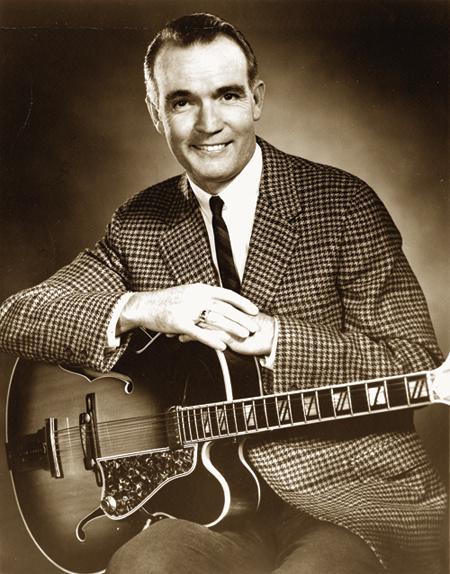
Herb Ellis’ Spotify BioAn excellent bop-based guitarist with a slight country twang to his sound, Herb Ellis became famous playing with the Oscar Peterson Trio during 1953-1958. Prior to that, he had attended North Texas State University and played with the Casa Loma Orchestra, Jimmy Dorsey (1945-1947), and the sadly under-recorded trio Soft Winds. While with Peterson, Ellis was on some Jazz at the Philharmonic tours and had a few opportunities to lead his own dates for Verve, including his personal favorite, Nothing But the Blues (1957). After leaving Peterson, Ellis toured a bit with Ella Fitzgerald; became a studio musician on the West Coast; made sessions with the Dukes of Dixieland, Stuff Smith, and Charlie Byrd; and in the 1970s became much more active in the jazz world. He can be heard on the first three releases issued by the Concord label, interacting with Joe Pass on the initial two, and he toured with the Great Guitars (along with Byrd and Barney Kessel) through much of the 1970s into the '80s.… After a long series of Concord albums, Ellis cut a couple of excellent sessions in the 1990s for Justice, as well as 1999's Burnin' on Acoustic Music. After battling Alzheimer's disease, Herb Ellis died at the age of 88 at his home in Los Angeles on March 28, 2010. ~ Scott Yanow, Rovi
Viberate is a music analytics platform built for A&Rs, artist managers, labels, booking agents, marketers, and artists.
It helps music professionals track artist growth, analyze audience data, monitor playlist activity, compare artists, follow song performance, and identify opportunities across the music market.
Public artist pages provide a free preview of selected artist data. Paid plans provide access to deeper analytics, historical data, charts, comparisons, playlist tools, exports, alerts, reports, and additional professional features.
Yes. Public Viberate artist pages provide selected artist analytics and music data for free.
Viberate also offers a 7-day free trial of the full platform. A credit card is required to start the trial. The trial includes access to the complete product so users can test deeper artist analytics, historical views, playlist insights, comparisons, charts, exports, alerts, and reporting features before choosing a paid plan.
Viberate provides artist analytics across streaming, playlists, social media, video, radio airplay, songs, and audience markets.
Users can analyze Spotify performance, Spotify and Apple Music playlists, YouTube activity, TikTok and Instagram growth, radio spins, song performance, audience locations, demographics, rankings, and overall artist momentum.
Artist profiles also connect to music charts, similar artists, and comparison tools, helping users benchmark performance and evaluate artists in context.
Viberate updates key artist and track data daily.
For followed artists and tracks, selected data is refreshed multiple times per day. This helps teams monitor playlist changes, streaming movement, audience growth, releases, and campaign performance with more current data.
Update frequency can vary depending on the metric and data source.
Yes. Viberate lets users compare up to five artists side by side across streaming, social media, audience, and engagement metrics.
Users can compare fanbase growth, audience demographics, locations, Spotify performance, social metrics, and other artist data over selected time periods.
Artist comparison can be used for A&R scouting, benchmarking, booking decisions, campaign planning, and evaluating artists with similar audiences or market positions.