Barney Kessel

Jazz
Bebop
 Viberate Rank: 61163
 Viberate Rank: 61163
 Monthly ListenersFollowers
 Subscribers
 Followers
 Followers
 FansTop Spotify Songs
| Track | 7-Day Streams | |
|---|---|---|
1 | 75.62K | |
2 | 13.21K | |
3 | 8.62K | |
4 | 4.70K | |
5 | 2.98K |
Top YouTube VideosMonthly ListenersFeatured in Playlists| Playlist | Followers | |
|---|---|---|
1 |  Jazz Guitar Classics Spotify | 135.29K |
2 |  autumn vintage jazz mrsjennaredish | 121.67K |
3 |  Haruki Murakami's vinyl collection Masamaro | 109.94K |
4 |  Paris Cafe Jazz gym377 | 35.63K |
5 |  Essential Classics Essential Classics | 31.39K |
Audience| City | Monthly Listeners | |
|---|---|---|
1 | | 6.12K |
2 | | 5.12K |
3 | | 4.41K |
4 | | 3.92K |
5 | | 2.70K |
See full performance history, audience data, playlist activity, rankings, comparisons, and more in Viberate music analytics. Start with a free trial, then continue with a paid plan.
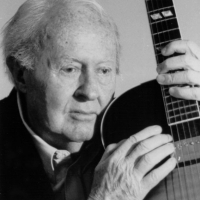
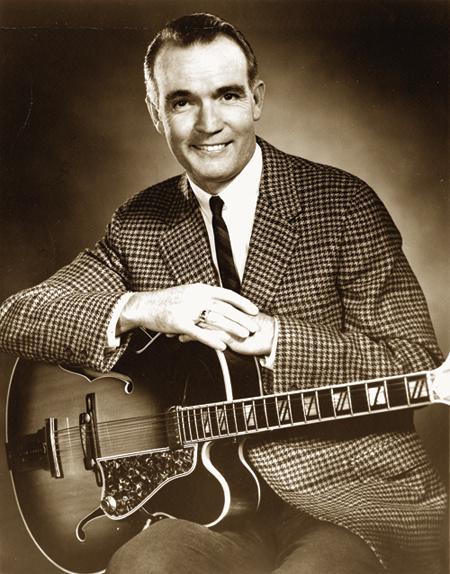
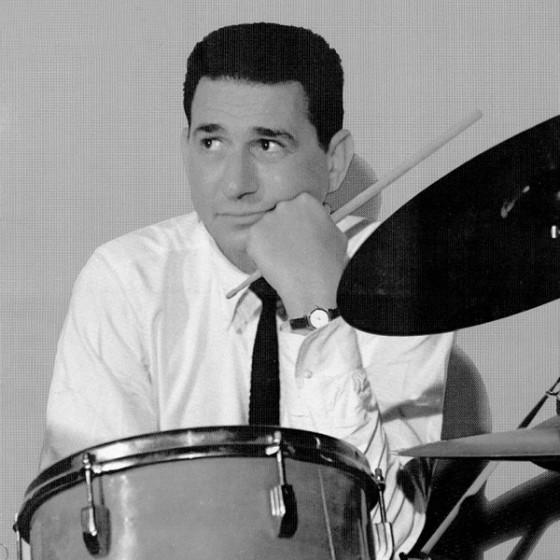
Barney Kessel’s Spotify BioOne of the finest guitarists to emerge after the death of Charlie Christian, Barney Kessel was a reliable bop soloist throughout his career. He played with a big band fronted by Chico Marx (1943), was fortunate enough to appear in the classic jazz short Jammin' the Blues (1944), and then worked with the big bands of Charlie Barnet (1944-1945) and Artie Shaw (1945); he also recorded with Shaw's Gramercy Five. Kessel became a busy studio musician in Los Angeles, but was always in demand for jazz records. He toured with the Oscar Peterson Trio for one year (1952-1953) and then, starting in 1953, led an impressive series of records for Contemporary that lasted until 1961 (including several with Ray Brown and Shelly Manne in a trio accurately called the Poll Winners). After touring Europe with George Wein's Newport All-Stars (1968), Kessel lived in London for a time (1969-1970). In 1973, he began touring and recording with the Great Guitars, a group also including Herb Ellis and Charlie… Byrd. A serious stroke in 1992 put Barney Kessel permanently out of action, but many of his records (which include dates for Onyx, Black Lion, Sonet, and Concord, in addition to many of the Contemporaries) are available, along with several video collections put out by Vestapol. Kessel was diagnosed with inoperable cancer in 2001, which eventually took his life in May of 2004. He was 80 years old. ~ Scott Yanow, Rovi
Viberate is a music analytics platform built for A&Rs, artist managers, labels, booking agents, marketers, and artists.
It helps music professionals track artist growth, analyze audience data, monitor playlist activity, compare artists, follow song performance, and identify opportunities across the music market.
Public artist pages provide a free preview of selected artist data. Paid plans provide access to deeper analytics, historical data, charts, comparisons, playlist tools, exports, alerts, reports, and additional professional features.
Yes. Public Viberate artist pages provide selected artist analytics and music data for free.
Viberate also offers a 7-day free trial of the full platform. A credit card is required to start the trial. The trial includes access to the complete product so users can test deeper artist analytics, historical views, playlist insights, comparisons, charts, exports, alerts, and reporting features before choosing a paid plan.
Viberate provides artist analytics across streaming, playlists, social media, video, radio airplay, songs, and audience markets.
Users can analyze Spotify performance, Spotify and Apple Music playlists, YouTube activity, TikTok and Instagram growth, radio spins, song performance, audience locations, demographics, rankings, and overall artist momentum.
Artist profiles also connect to music charts, similar artists, and comparison tools, helping users benchmark performance and evaluate artists in context.
Viberate updates key artist and track data daily.
For followed artists and tracks, selected data is refreshed multiple times per day. This helps teams monitor playlist changes, streaming movement, audience growth, releases, and campaign performance with more current data.
Update frequency can vary depending on the metric and data source.
Yes. Viberate lets users compare up to five artists side by side across streaming, social media, audience, and engagement metrics.
Users can compare fanbase growth, audience demographics, locations, Spotify performance, social metrics, and other artist data over selected time periods.
Artist comparison can be used for A&R scouting, benchmarking, booking decisions, campaign planning, and evaluating artists with similar audiences or market positions.