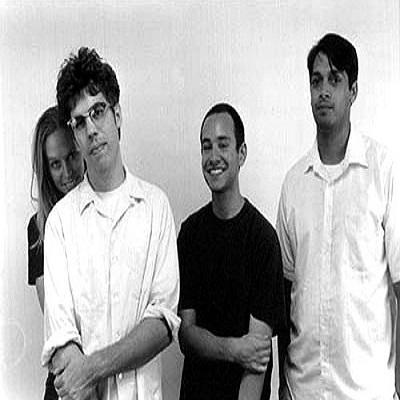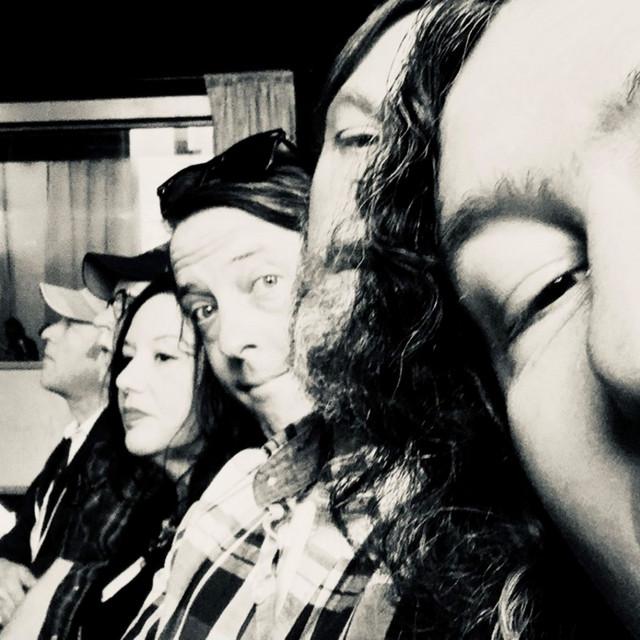
The Minders

Rock
Indie Rock
Progressive Rock
 Viberate Rank: 321646
 Viberate Rank: 321646
 Monthly ListenersFollowers
 Subscribers
 Followers
 Followers
 FansTop Spotify Songs
| Track | 7-Day Streams | |
|---|---|---|
1 | 611 | |
2 | 438 | |
3 | 211 | |
4 | 144 | |
5 | 113 |
Top YouTube VideosMonthly ListenersFeatured in Playlists| Playlist | Followers | |
|---|---|---|
1 | 𝒜lternative 𝟫𝟢's Rutger Meijerink | 5.43K |
2 |  The Elephant 6 Collective Frans Buys | 4.79K |
3 |  Psychedelic Rock / Neo Psychedelia (2026) Daily Fresh Finds | 3.21K |
4 |  Indie 90s Bittencourt | 2.49K |
5 |  The Sound of Baroque Pop The Sounds of Spotify | 2.09K |
Audience| City | Monthly Listeners | |
|---|---|---|
1 | | 91 |
2 | | 84 |
3 | | 61 |
4 | | 61 |
5 | | 58 |
See full performance history, audience data, playlist activity, rankings, comparisons, and more in Viberate music analytics. Start with a free trial, then continue with a paid plan.
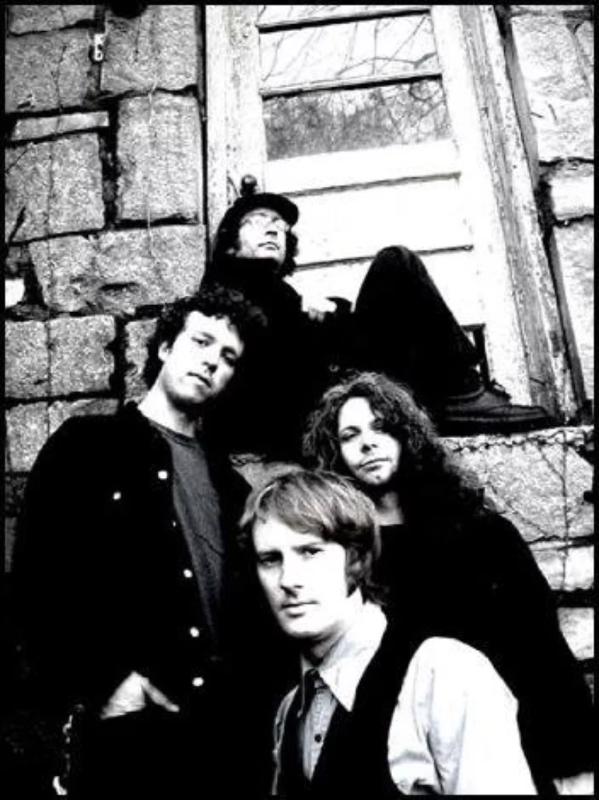
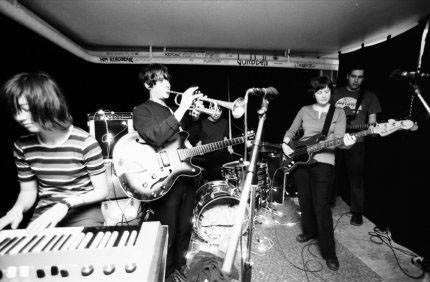
The Minders’ Spotify BioBeginning as a branch of the psychedelic pop collective Elephant 6, the Minders grew from a recording project to a high-energy live act. Their sound expanded from one album to the next, detouring into garage, Baroque pop, and paisley psych territory over the course of a decades-long discography. The band's recorded output slowed in the mid-2000s, but they returned after a decade-long hiatus with 2006's Into the River. The album updated the band's usual lo-fi take on jaunty pop, but lost none of its experimental tendencies.
The Minders were formed in 1995 by British expatriate Martyn Leaper and Apples in Stereo bandleader Robert Schneider when they were both living in Denver, Colorado. Begun as a lo-fi recording project, they released a jangly 7" on the Elephant 6 label before the band reconfigured itself into a live act in 1996. Schneider moved into the role of producer while singer/songwriter/guitarist Leaper was joined by drummer Rebecca Cole, bassist Joel Richardson, and lead… guitarist Jeff Almond. This loose lineup recorded parts of the 1996 7" single Paper Plane, but soon afterward, Richardson was replaced by bassist Marc Willhite, thus solidifying the lineup for the band's first phase. They recorded several singles and played out frequently before the release of their debut album, 1998's Hooray for Tuesday. Cole and Leaper moved from Denver to Portland and put together a new version of the band, releasing singles collection Cul-De-Sacs & Dead Ends in 1999 to tide fans over as they acclimated to their new location. A steady churn of lesser releases, EPs, and 7"s dotted the band's discography, with proper studio albums arriving in the form of 2001's Golden Street and 2006's It's a Bright Guilty World. The band played often and shuffled lineups several times in the 2000s, with Cole leaving the band in 2008. There was lull in new material following Cole's departure, with the digital-only compilation Cul-De-Sacs & Dead Ends 2 arriving in 2012, and 2016's Into the River, which marked the Minders' first new songs in ten years. From there the band was rejuvenated, releasing the cassette-only EP Boiling the Ocean that same year, along with a limited-edition lathe-cut 7". In 2018, the Minders celebrated the 20th anniversary of their debut album, Hooray for Tuesday, with a deluxe reissue containing previously unreleased bonus tracks. ~ Fred Thomas, Rovi
Viberate is a music analytics platform built for A&Rs, artist managers, labels, booking agents, marketers, and artists.
It helps music professionals track artist growth, analyze audience data, monitor playlist activity, compare artists, follow song performance, and identify opportunities across the music market.
Public artist pages provide a free preview of selected artist data. Paid plans provide access to deeper analytics, historical data, charts, comparisons, playlist tools, exports, alerts, reports, and additional professional features.
Yes. Public Viberate artist pages provide selected artist analytics and music data for free.
Viberate also offers a 7-day free trial of the full platform. A credit card is required to start the trial. The trial includes access to the complete product so users can test deeper artist analytics, historical views, playlist insights, comparisons, charts, exports, alerts, and reporting features before choosing a paid plan.
Viberate provides artist analytics across streaming, playlists, social media, video, radio airplay, songs, and audience markets.
Users can analyze Spotify performance, Spotify and Apple Music playlists, YouTube activity, TikTok and Instagram growth, radio spins, song performance, audience locations, demographics, rankings, and overall artist momentum.
Artist profiles also connect to music charts, similar artists, and comparison tools, helping users benchmark performance and evaluate artists in context.
Viberate updates key artist and track data daily.
For followed artists and tracks, selected data is refreshed multiple times per day. This helps teams monitor playlist changes, streaming movement, audience growth, releases, and campaign performance with more current data.
Update frequency can vary depending on the metric and data source.
Yes. Viberate lets users compare up to five artists side by side across streaming, social media, audience, and engagement metrics.
Users can compare fanbase growth, audience demographics, locations, Spotify performance, social metrics, and other artist data over selected time periods.
Artist comparison can be used for A&R scouting, benchmarking, booking decisions, campaign planning, and evaluating artists with similar audiences or market positions.