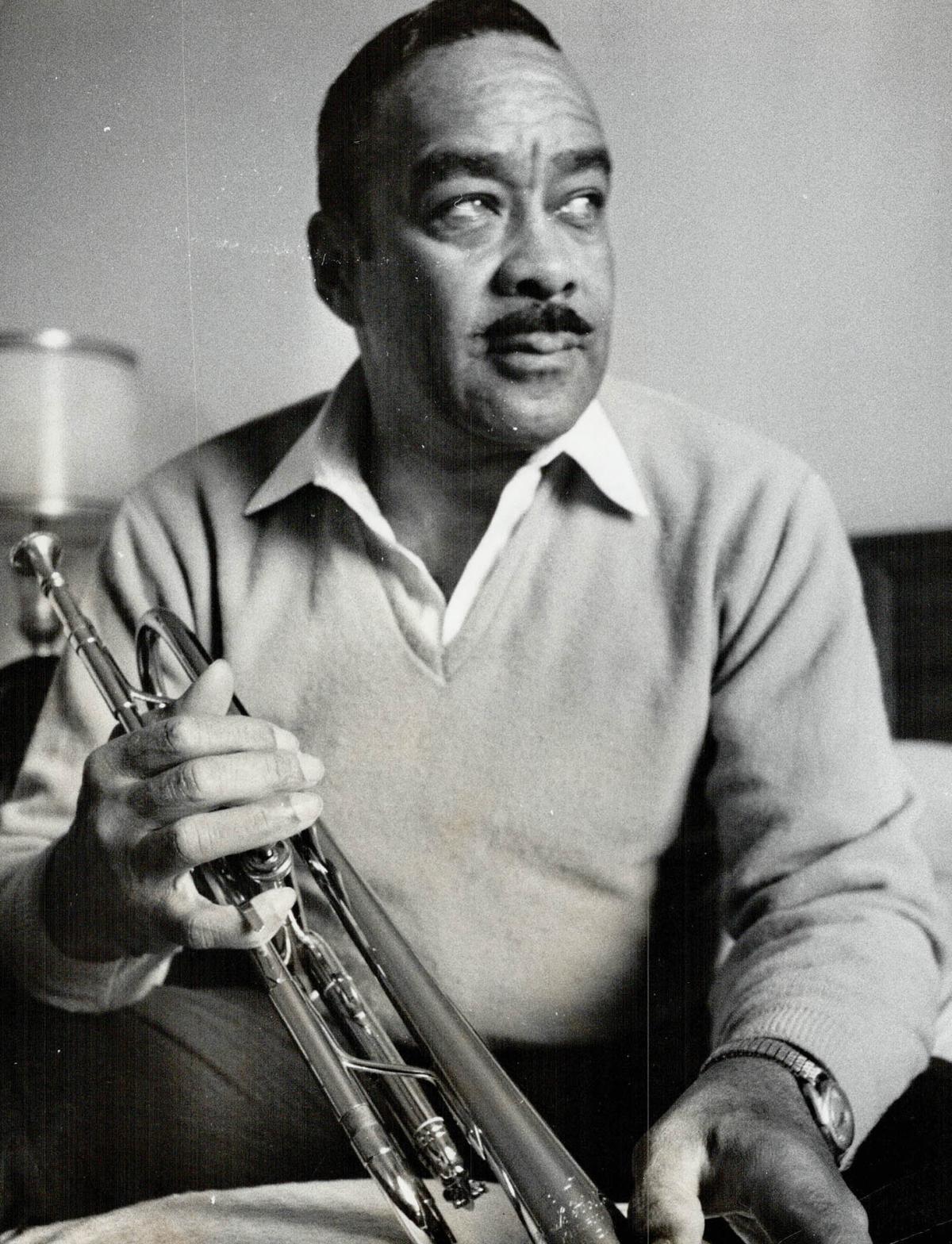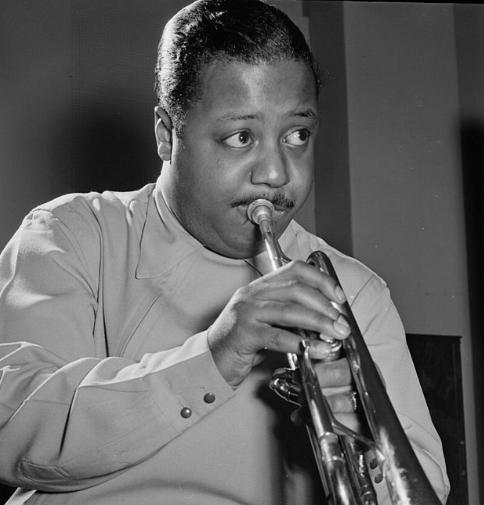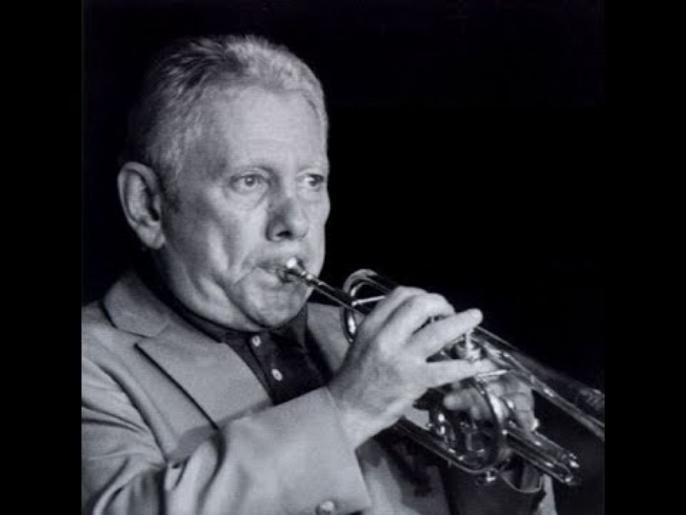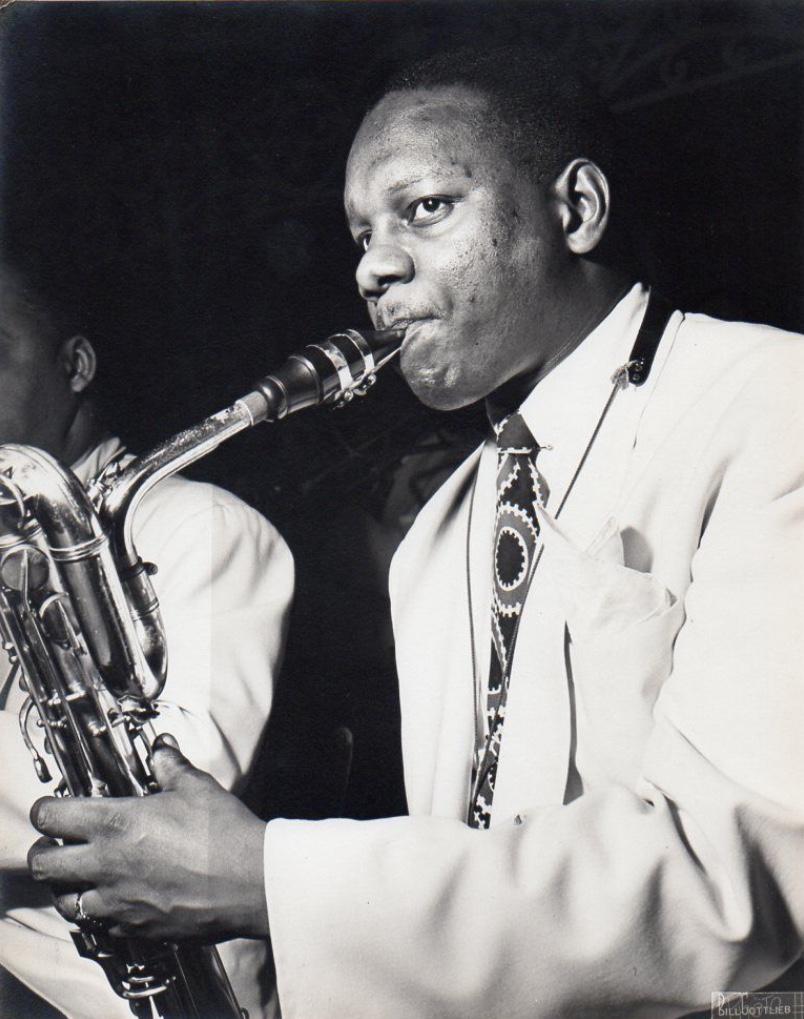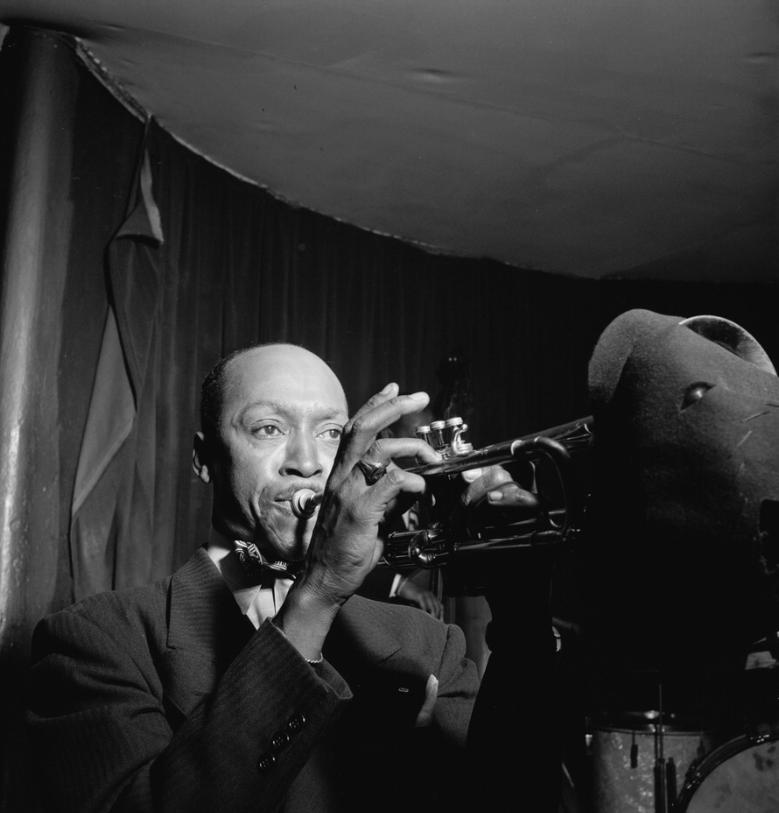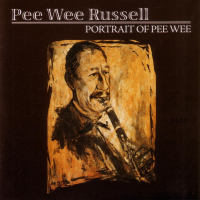
Pee Wee Russell

Jazz
Bebop
Classical Crossover
 Viberate Rank: 259835
 Viberate Rank: 259835
 Monthly ListenersFollowers
 Subscribers
 Followers
 Followers
 FansTop Spotify Songs
| Track | 7-Day Streams | |
|---|---|---|
1 | 1.03K | |
2 | 824 | |
3 | 653 | |
4 | 455 | |
5 | 432 |
Top YouTube VideosMonthly ListenersFeatured in Playlists| Playlist | Followers | |
|---|---|---|
1 | Swing Music for Dancers jquinlanspotify | 14.57K |
2 |  The Jazz Clarinet Adam Price | 10.19K |
3 |  Publique - Jazz Robbie Shilstone | 9.12K |
4 | Recommended performances from Ted Gioia's book 'The Jazz Standards' jhiggy58 | 8.57K |
5 | Nina Simone, Ella Fitzgerald, Duke Ellington & Louis Armstrong and more JAZZ Alexander Nikolov | 7.80K |
Audience| City | Monthly Listeners | |
|---|---|---|
1 |  | 56 |
2 | | 55 |
3 | | 46 |
4 |  | 37 |
5 |  | 35 |
See full performance history, audience data, playlist activity, rankings, comparisons, and more in Viberate music analytics. Start with a free trial, then continue with a paid plan.
Pee Wee Russell’s Spotify BioPee Wee Russell, although never a virtuoso, was one of the giants of jazz. A highly expressive and unpredictable clarinetist, Russell was usually grouped in Dixieland-type groups throughout his career, but his advanced and spontaneous solos (which often sounded as if he were thinking aloud) defied classification. A professional by the time he was 15, Pee Wee Russell played in Texas with Peck Kelley's group (meeting Jack Teagarden) and then in 1925 he was in St. Louis jamming with Bix Beiderbecke. Russell moved to New York in 1927 and gained some attention for his playing with Red Nichols' Five Pennies. Russell freelanced during the era, making some notable records with Billy Banks in 1932 that matched him with Red Allen. He played clarinet and tenor with Louis Prima during 1935-1937, appearing on many records and enjoying the association.
After leaving Prima, he started working with Eddie Condon's freewheeling groups and would remain in Condon's orbit on and off for the next 30 years.… Pee Wee Russell's recordings with Condon in 1938 made him a star in the trad Chicago jazz world. Russell was featured (but often the butt of jokes) on Condon's Town Hall Concerts. Heavy drinking almost killed him in 1950, but Russell made an unlikely comeback and became more assertive in running his career. He started leading his own groups (which were more swing- than Dixieland-oriented), was a star on the 1957 television special The Sound of Jazz, and by the early '60s was playing in a piano-less quartet with valve trombonist Marshall Brown whose repertoire included tunes by John Coltrane and Ornette Coleman; he even sat in with Thelonious Monk at the 1963 Newport Jazz Festival and took up abstract painting. But after the death of his wife in 1967, Pee Wee Russell accelerated his drinking and went quickly downhill, passing away less than two years later. ~ Scott Yanow, Rovi
Viberate is a music analytics platform built for A&Rs, artist managers, labels, booking agents, marketers, and artists.
It helps music professionals track artist growth, analyze audience data, monitor playlist activity, compare artists, follow song performance, and identify opportunities across the music market.
Public artist pages provide a free preview of selected artist data. Paid plans provide access to deeper analytics, historical data, charts, comparisons, playlist tools, exports, alerts, reports, and additional professional features.
Yes. Public Viberate artist pages provide selected artist analytics and music data for free.
Viberate also offers a 7-day free trial of the full platform. A credit card is required to start the trial. The trial includes access to the complete product so users can test deeper artist analytics, historical views, playlist insights, comparisons, charts, exports, alerts, and reporting features before choosing a paid plan.
Viberate provides artist analytics across streaming, playlists, social media, video, radio airplay, songs, and audience markets.
Users can analyze Spotify performance, Spotify and Apple Music playlists, YouTube activity, TikTok and Instagram growth, radio spins, song performance, audience locations, demographics, rankings, and overall artist momentum.
Artist profiles also connect to music charts, similar artists, and comparison tools, helping users benchmark performance and evaluate artists in context.
Viberate updates key artist and track data daily.
For followed artists and tracks, selected data is refreshed multiple times per day. This helps teams monitor playlist changes, streaming movement, audience growth, releases, and campaign performance with more current data.
Update frequency can vary depending on the metric and data source.
Yes. Viberate lets users compare up to five artists side by side across streaming, social media, audience, and engagement metrics.
Users can compare fanbase growth, audience demographics, locations, Spotify performance, social metrics, and other artist data over selected time periods.
Artist comparison can be used for A&R scouting, benchmarking, booking decisions, campaign planning, and evaluating artists with similar audiences or market positions.