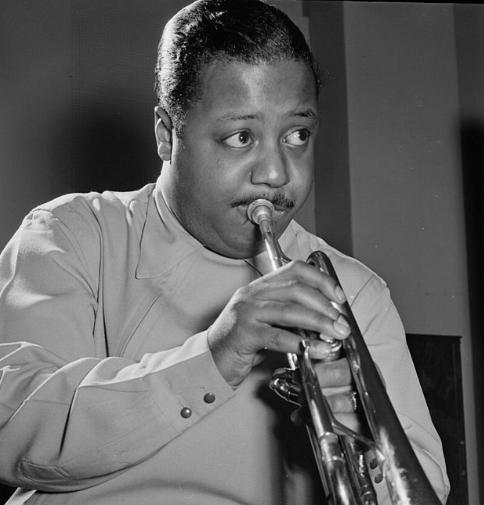
Charlie Shavers

Jazz
Free Jazz
Big band Jazz
 Viberate Rank: 227292
 Viberate Rank: 227292
 Monthly ListenersFollowers
 Subscribers
 Followers
 Followers
 FansTop Spotify Songs
| Track | 7-Day Streams | |
|---|---|---|
1 | 1.17K | |
2 | 1.03K | |
3 | 768 | |
4 | 745 | |
5 | 722 |
Top YouTube VideosMonthly ListenersFeatured in Playlists| Playlist | Followers | |
|---|---|---|
1 |  Paris Cafe Jazz gym377 | 35.63K |
2 |  An Old-Fashioned Christmas-40's 50's & 60's linabee25 | 23.52K |
3 | 1940s Ben Hughes | 19.93K |
4 |  1930s, 1940s Pop Songs Jeff Lyons | 17.97K |
5 | Swing Music for Dancers jquinlanspotify | 14.57K |
Audience| City | Monthly Listeners | |
|---|---|---|
1 |  | 63 |
2 |  | 63 |
3 |  | 61 |
4 | | 54 |
5 | | 50 |
See full performance history, audience data, playlist activity, rankings, comparisons, and more in Viberate music analytics. Start with a free trial, then continue with a paid plan.
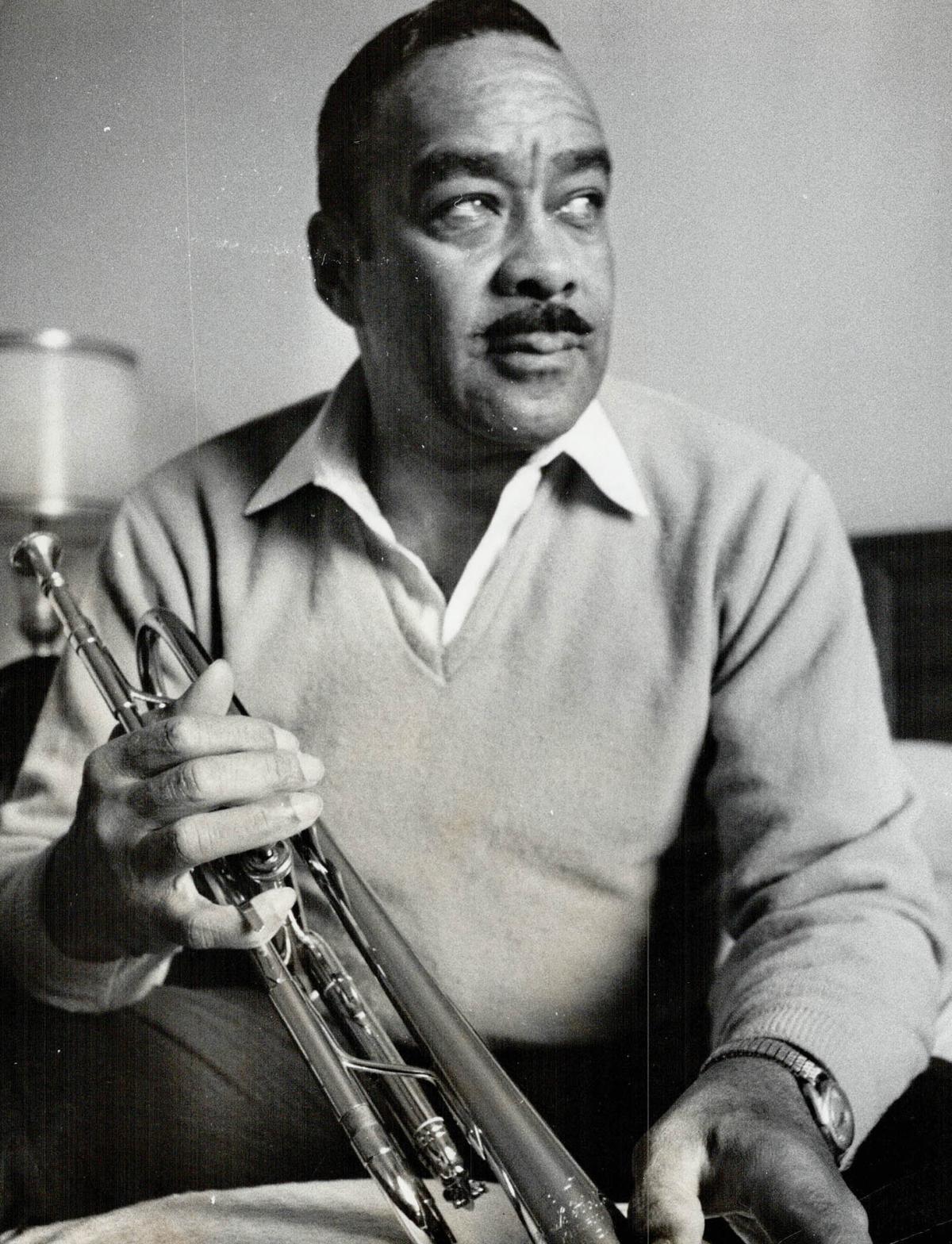
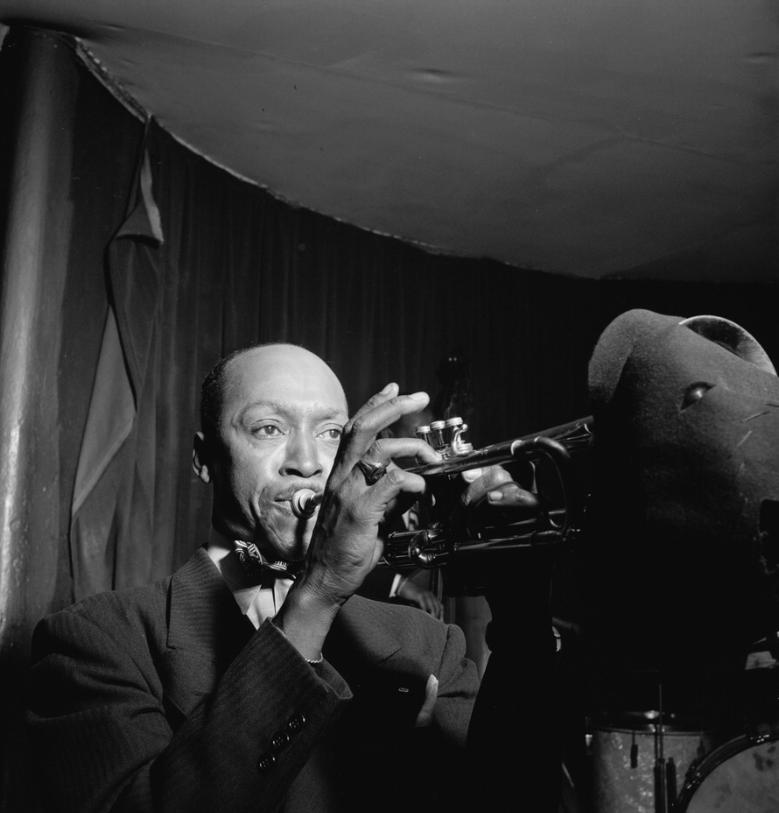
Charlie Shavers’ Spotify BioCharlie Shavers was one of the great trumpeters to emerge during the swing era, a virtuoso with an open-minded and extroverted style along with a strong sense of humor. He originally played piano and banjo before switching to trumpet, and he developed very quickly. In 1935, he was with Tiny Bradshaw's band and two years later he joined Lucky Millinder's big band. Soon afterward he became a key member of John Kirby's Sextet where he showed his versatility by mostly playing crisp solos while muted. Shavers was in demand for recording sessions and participated on notable dates with New Orleans jazz pioneers Johnny Dodds, Jimmy Noone, and Sidney Bechet. He also had many opportunities to write arrangements for Kirby and had a major hit with his composition "Undecided." After leaving Kirby in 1944, Charlie Shavers worked for a year with Raymond Scott's CBS staff orchestra, and then was an important part of Tommy Dorsey's Orchestra from 1945 until past TD's death in 1956. Although… well-featured, this association kept Shavers out of the spotlight of jazz, but fortunately he did have occasional vacations in which he recorded with the Metronome All-Stars and toured with Jazz at the Philharmonic; at the latter's concerts in 1953, Shaver's trumpet battles with Roy Eldridge were quite exciting. After Dorsey's death, Shavers often led his own quartet although he came back to the ghost band from time to time. During the 1960s, his range and technique gradually faded, and Charlie Shavers died from throat cancer in 1971 at the age of 53. ~ Scott Yanow, Rovi
Viberate is a music analytics platform built for A&Rs, artist managers, labels, booking agents, marketers, and artists.
It helps music professionals track artist growth, analyze audience data, monitor playlist activity, compare artists, follow song performance, and identify opportunities across the music market.
Public artist pages provide a free preview of selected artist data. Paid plans provide access to deeper analytics, historical data, charts, comparisons, playlist tools, exports, alerts, reports, and additional professional features.
Yes. Public Viberate artist pages provide selected artist analytics and music data for free.
Viberate also offers a 7-day free trial of the full platform. A credit card is required to start the trial. The trial includes access to the complete product so users can test deeper artist analytics, historical views, playlist insights, comparisons, charts, exports, alerts, and reporting features before choosing a paid plan.
Viberate provides artist analytics across streaming, playlists, social media, video, radio airplay, songs, and audience markets.
Users can analyze Spotify performance, Spotify and Apple Music playlists, YouTube activity, TikTok and Instagram growth, radio spins, song performance, audience locations, demographics, rankings, and overall artist momentum.
Artist profiles also connect to music charts, similar artists, and comparison tools, helping users benchmark performance and evaluate artists in context.
Viberate updates key artist and track data daily.
For followed artists and tracks, selected data is refreshed multiple times per day. This helps teams monitor playlist changes, streaming movement, audience growth, releases, and campaign performance with more current data.
Update frequency can vary depending on the metric and data source.
Yes. Viberate lets users compare up to five artists side by side across streaming, social media, audience, and engagement metrics.
Users can compare fanbase growth, audience demographics, locations, Spotify performance, social metrics, and other artist data over selected time periods.
Artist comparison can be used for A&R scouting, benchmarking, booking decisions, campaign planning, and evaluating artists with similar audiences or market positions.