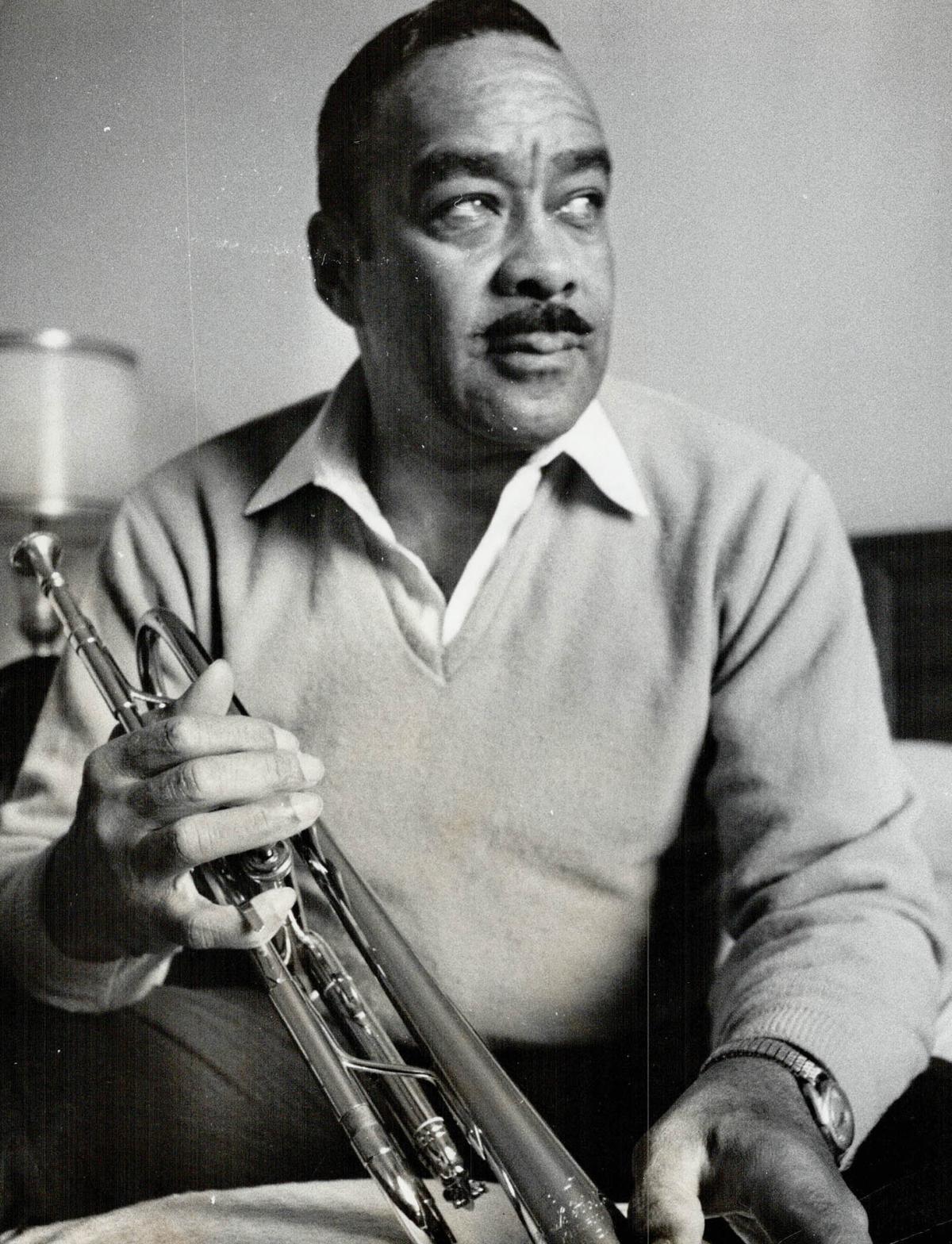
Buck Clayton

Jazz
Swing
Big band Jazz
 Viberate Rank: 212795
 Viberate Rank: 212795
 Monthly ListenersFollowers
 Subscribers
 Followers
 Followers
 FansTop Spotify Songs
| Track | 7-Day Streams | |
|---|---|---|
1 | 2.55K | |
2 | 1.49K | |
3 | 538 | |
4 | 538 | |
5 | 495 |
Top YouTube VideosMonthly ListenersFeatured in Playlists| Playlist | Followers | |
|---|---|---|
1 |  Dixieland Classics Filtr Legacy Sweden | 46.33K |
2 |  SWING DANCE - LINDY HOP - The best playlist - LOLA VAN Josep Anton Sr Escarlata | 44.61K |
3 |  JAZZ CHILLOUT 1296362009 | 44.19K |
4 |  New Orleans Jazz & Blues Sarah Emile | 27.37K |
5 | 1940s Ben Hughes | 19.93K |
Audience| City | Monthly Listeners | |
|---|---|---|
1 |  | 121 |
2 | | 107 |
3 |  | 79 |
4 |  | 75 |
5 | | 70 |
See full performance history, audience data, playlist activity, rankings, comparisons, and more in Viberate music analytics. Start with a free trial, then continue with a paid plan.
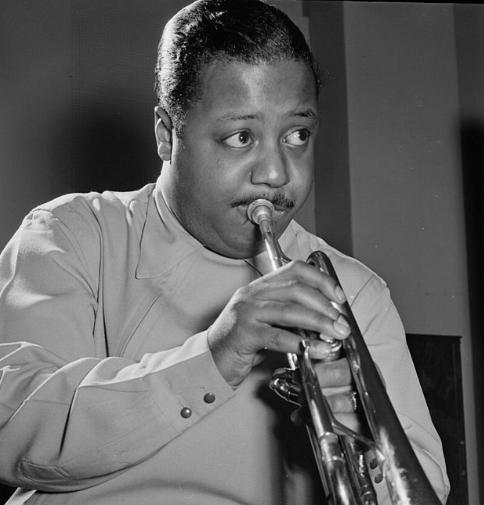
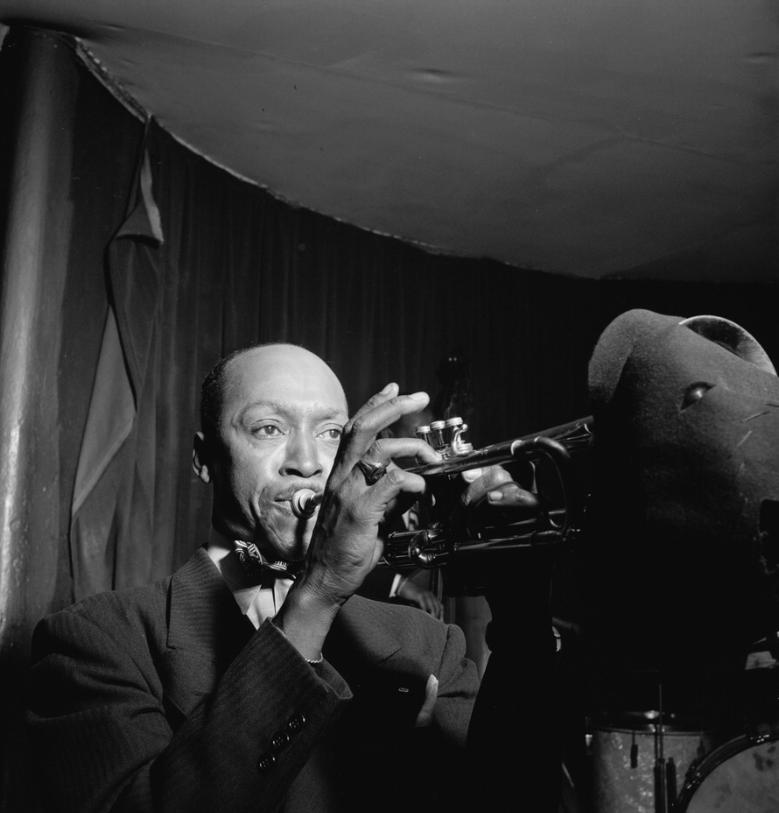
Buck Clayton’s Spotify BioAn excellent bandleader and accompanist for many vocalists, including Billie Holiday, Buck Clayton was a valued soloist with Count Basie Orchestra during the '30s and '40s, and later was a celebrated studio and jam session player, writer, and arranger. His tart, striking tone and melodic dexterity were his trademark, and Clayton provided several charts for Basie's orchestra and many other groups. Clayton began his career in California, where he organized a big band that had a residency in China in 1934. When he returned, Clayton led a group and played with other local bands. During a 1936 visit to Kansas City, he was invited to join Basie's orchestra as a replacement for Hot Lips Page. Clayton was also featured on sessions with Lester Young, Teddy Wilson, and Holiday in the late '30s. He remained in the Basie band until 1943, when he left for army service. After leaving the army, Clayton did arrangements for Basie, Benny Goodman, and Harry James before forming a sextet in the late… '40s. He toured Europe with this group in 1949 and 1950. Clayton continued heading a combo during the '50s, and worked with Joe Bushkin, Tony Parenti, and Jimmy Rushing, among others. He organized a series of outstanding recordings for Columbia in the mid-'50s under the title Jam Session (compiled and reissued by Mosaic in 1993). There were sessions with Rushing, Ruby Braff, and Nat Pierce. Clayton led a combo with Coleman Hawkins and J.J. Johnson at the 1956 Newport Jazz Festival, then reunited with Goodman in 1957 at the Waldorf Astoria. There was another European tour, this time with Mezz Mezzrow. He appeared in the 1956 film The Benny Goodman Story and played the 1958 Brussels World Fair with Sidney Bechet. Clayton later made another European visit with a Newport Jazz Festival tour. He joined Eddie Condon's band in 1959, a year after appearing in the film Jazz on a Summer's Day. Clayton toured Japan and Australia with Condon's group in 1964, and continued to revisit Europe throughout the '60s, often with Humphrey Lyttelton's band, while playing festivals across the country. But lip and health problems virtually ended his playing career in the late '60s. After a period outside of music, Clayton once again became active in music, this time as a non-playing arranger, touring Africa as part of a State Department series in 1977. He provided arrangements and compositions for a 1974 Lyttleton and Buddy Tate album, and did more jam session albums for Chiaroscuro in 1974 and 1975. He also became an educator, teaching at Hunter College in the early '80s. Clayton led a group of Basie sidemen on a European tour in 1983, then headed his own big band in 1987 that played almost exclusively his compositions and arrangements. That same year Clayton's extensive autobiography Buck Clayton's Jazz World, with Nancy Miller-Elliot, was published. ~ Ron Wynn, Rovi
Viberate is a music analytics platform built for A&Rs, artist managers, labels, booking agents, marketers, and artists.
It helps music professionals track artist growth, analyze audience data, monitor playlist activity, compare artists, follow song performance, and identify opportunities across the music market.
Public artist pages provide a free preview of selected artist data. Paid plans provide access to deeper analytics, historical data, charts, comparisons, playlist tools, exports, alerts, reports, and additional professional features.
Yes. Public Viberate artist pages provide selected artist analytics and music data for free.
Viberate also offers a 7-day free trial of the full platform. A credit card is required to start the trial. The trial includes access to the complete product so users can test deeper artist analytics, historical views, playlist insights, comparisons, charts, exports, alerts, and reporting features before choosing a paid plan.
Viberate provides artist analytics across streaming, playlists, social media, video, radio airplay, songs, and audience markets.
Users can analyze Spotify performance, Spotify and Apple Music playlists, YouTube activity, TikTok and Instagram growth, radio spins, song performance, audience locations, demographics, rankings, and overall artist momentum.
Artist profiles also connect to music charts, similar artists, and comparison tools, helping users benchmark performance and evaluate artists in context.
Viberate updates key artist and track data daily.
For followed artists and tracks, selected data is refreshed multiple times per day. This helps teams monitor playlist changes, streaming movement, audience growth, releases, and campaign performance with more current data.
Update frequency can vary depending on the metric and data source.
Yes. Viberate lets users compare up to five artists side by side across streaming, social media, audience, and engagement metrics.
Users can compare fanbase growth, audience demographics, locations, Spotify performance, social metrics, and other artist data over selected time periods.
Artist comparison can be used for A&R scouting, benchmarking, booking decisions, campaign planning, and evaluating artists with similar audiences or market positions.