Kenny Davern

Jazz
Swing
Jazz Fusion
 Viberate Rank: 541119
 Viberate Rank: 541119
 Monthly ListenersFollowers
 Subscribers
 Followers
 Followers
 FansTop Spotify Songs
| Track | 7-Day Streams | |
|---|---|---|
1 | 372 | |
2 | 226 | |
3 | 54 | |
4 | 29 | |
5 | 25 |
Top YouTube VideosMonthly ListenersFeatured in Playlists| Playlist | Followers | |
|---|---|---|
1 | Swing Music for Dancers jquinlanspotify | 14.57K |
2 | Christmas Jazz Raul Baltazar | 12.86K |
3 | Charleston John Bell | 12.16K |
4 |  Woody Allen Best Soundtracks🎬 ZUGA MUSIC✨ | 11.01K |
5 |  The Jazz Clarinet Adam Price | 10.18K |
Audience| City | Monthly Listeners | |
|---|---|---|
1 |  | 63 |
2 | | 57 |
3 |  | 30 |
4 |  | 30 |
5 | | 28 |
See full performance history, audience data, playlist activity, rankings, comparisons, and more in Viberate music analytics. Start with a free trial, then continue with a paid plan.
Kenny Davern’s Spotify BioDescribed in The New York Times as "the finest clarinetist playing today" in the 1990s, that high praise wasn't far off the mark, as it applied to Kenny Davern in the autumn of his life, at the peak of his powers. Call him a jazz purist, even a snob, but Davern believed in playing standards, and that he did. Tunes by George Gershwin, Eubie Blake, Fats Waller, Irving Berlin; what are sometimes referred to as Great American Songbook tunes. He was often praised for the clarity and pureness of his tone, and often played outdoor festival gigs without amplification.
Davern was born in Huntington, on New York's Long Island, on January 7, 1935. He lived with his grandparents in Queens, New York after his own parents split up, and was shuffled through a maze of foster homes in Brooklyn and Queens in his youth. He began playing clarinet when he was 11, via the radio. He heard Pee Wee Russell playing "Memphis Blues" with Mugsy Spanier's Ragtimers, and right then, he had a revelation. He knew he… wanted to spend the rest of his life playing traditional and blues-based jazz.
One big break was a phone call from trumpeter Harry "Red" Allen, who he accompanied locally on gigs around Queens while still in high school. He began playing clarinet and switched to saxophone for a time in high school, but switched back to clarinet before auditioning for pianist Ralph Flanagan's big band in the early '50s. Davern recalled he got the clarinet-playing part in Flanagan's band by bluffing his way in, saying he had another gig and the sooner he could audition, the better. He played with the bandleader in 1953 and 1954.
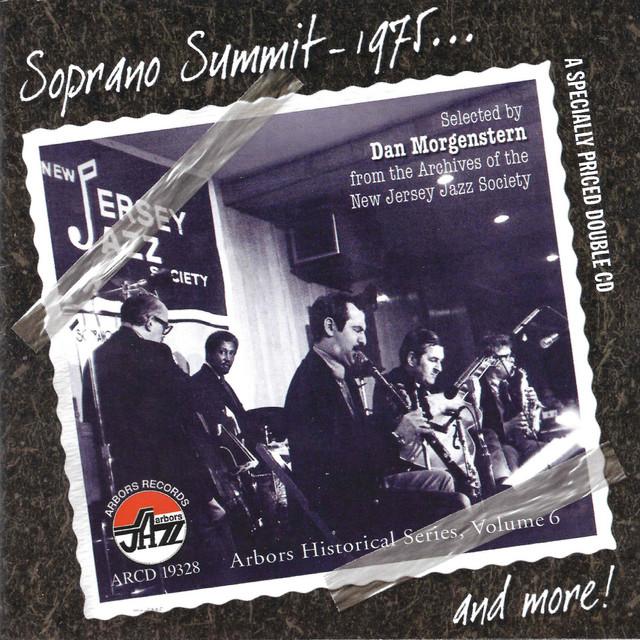
While still a teen, Davern made his recording debut with Jack Teagarden, and four years later, he recorded his first album under his own name, In the Gloryland, for the Elektra Records label. Davern's discography is extensive and includes many albums for the Concord, Chiaroscuro, and Arbors labels.
Like any other focused musician, Davern devoted a lot of time to what he called his apprenticeship period, when he worked as a sideman to other bandleaders and recorded little under his own name. He collaborated on-stage and in the recording studio with trombonist Teagarden, trumpeters Harry "Red" Allen and Buck Clayton, and drummer Jo Jones. After he hit 40, he began having thoughts about leading his own group, and by that point, he'd been playing professionally for more than two decades. Davern always considered himself fortunate to have played with many of the pre-bebop jazz stylists in clubs in Manhattan in the '40s.
Davern moved to the New Jersey Shore town of Manasquan from New York City in 1965, and he blamed the rise of rock & roll for diminished incomes suffered by many of his friends who played traditional jazz. He began to forge his own path and career with his own recordings, leading his own ensembles in the late '70s. For much of the '80s and part of the '90s, he spent upwards of 230 nights a year on the road, and it wasn't until the mid-'90s that he curtailed his travel schedule significantly, playing only a number of select festivals each year. His notable recordings include anything he recorded for the Florida-based Arbors Records label in the '80s and '90s and into the new millennium. "I like to play music that makes me feel good," Davern said in an interview. "I like to listen to it when I play it, and most of that music was played by people who happened to be born around the turn of the century. The lyrics may be corny, but the tunes are not. And the tunes will survive." Davern passed away at his home in Sandia Park, New Mexico, on December 14, 2006, after having a heart attack. He was 71. ~ Richard Skelly, Rovi
Viberate is a music analytics platform built for A&Rs, artist managers, labels, booking agents, marketers, and artists.
It helps music professionals track artist growth, analyze audience data, monitor playlist activity, compare artists, follow song performance, and identify opportunities across the music market.
Public artist pages provide a free preview of selected artist data. Paid plans provide access to deeper analytics, historical data, charts, comparisons, playlist tools, exports, alerts, reports, and additional professional features.
Yes. Public Viberate artist pages provide selected artist analytics and music data for free.
Viberate also offers a 7-day free trial of the full platform. A credit card is required to start the trial. The trial includes access to the complete product so users can test deeper artist analytics, historical views, playlist insights, comparisons, charts, exports, alerts, and reporting features before choosing a paid plan.
Viberate provides artist analytics across streaming, playlists, social media, video, radio airplay, songs, and audience markets.
Users can analyze Spotify performance, Spotify and Apple Music playlists, YouTube activity, TikTok and Instagram growth, radio spins, song performance, audience locations, demographics, rankings, and overall artist momentum.
Artist profiles also connect to music charts, similar artists, and comparison tools, helping users benchmark performance and evaluate artists in context.
Viberate updates key artist and track data daily.
For followed artists and tracks, selected data is refreshed multiple times per day. This helps teams monitor playlist changes, streaming movement, audience growth, releases, and campaign performance with more current data.
Update frequency can vary depending on the metric and data source.
Yes. Viberate lets users compare up to five artists side by side across streaming, social media, audience, and engagement metrics.
Users can compare fanbase growth, audience demographics, locations, Spotify performance, social metrics, and other artist data over selected time periods.
Artist comparison can be used for A&R scouting, benchmarking, booking decisions, campaign planning, and evaluating artists with similar audiences or market positions.