Harry Carney

Jazz
Big band Jazz
Smooth Jazz
 Viberate Rank: 422042
 Viberate Rank: 422042
 Monthly ListenersFollowers
 Subscribers
 Followers
 Followers
 FansTop Spotify Songs
| Track | 7-Day Streams | |
|---|---|---|
1 | 220 | |
2 | 191 | |
3 | 155 | |
4 | 139 | |
5 | 98 |
Top YouTube VideosMonthly ListenersFeatured in Playlists| Playlist | Followers | |
|---|---|---|
1 |  Good Night Jazz Dennis Westerheim | 14.37K |
2 | Happy Feel Good Jazz Jared Hubbell | 4.56K |
3 |  Hooked on Classics Upbeat Instrumental for Work & Studying 1228799150 | 3.64K |
4 |  1920s, 1930s, 1940s Christmas Selections i_eat_shellac_ | 3.01K |
5 |  late night at a jazz bar in new york city Anh Ngo | 3.04K |
Audience| City | Monthly Listeners | |
|---|---|---|
1 | | 31 |
2 |  | 23 |
3 | | 23 |
4 | | 23 |
5 | | 22 |
See full performance history, audience data, playlist activity, rankings, comparisons, and more in Viberate music analytics. Start with a free trial, then continue with a paid plan.
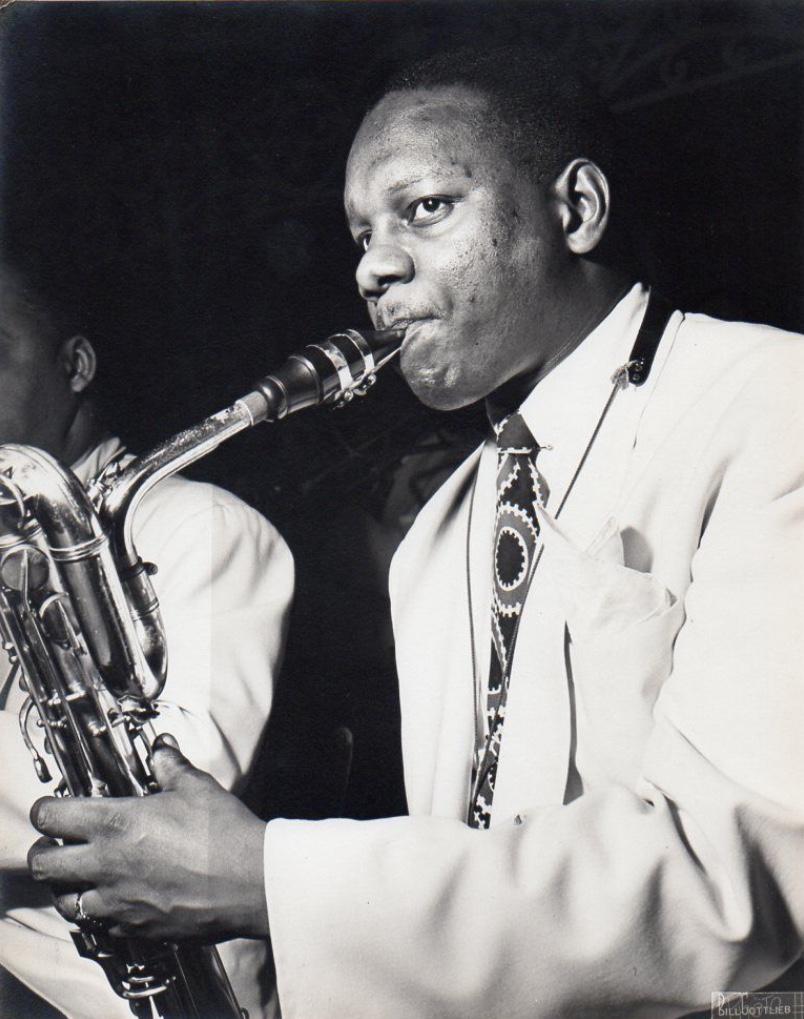
Harry Carney’s Spotify BioHarry Carney's baritone saxophone was the anchor, the lodestone, the foundation of a distinctive tonal blend that virtually defined the Duke Ellington Orchestra for more than 45 years. A mainstay of the Ellington experience, he remained with Duke longer than anyone else and outlived him by only a little more than four months. Harry Howell Carney was born in Boston on the first of April 1910 and grew up in the same neighborhood as alto saxophonists Johnny Hodges and Charlie Holmes. Together they gathered inspiration from 78-rpm jazz records. Carney cited as primary influences Sidney Bechet with Clarence Williams, Buster Bailey with Fletcher Henderson, and Don Murray with Jean Goldkette. At the age of 13, he blew clarinet with a band sponsored by the Knights of Pythias. After developing some proficiency on the alto sax, he visited New York with Holmes and gigged at the Bamboo Inn shortly before it burned to the ground.
Carney then began sitting in with Duke Ellington, who took him back to… Boston for a series of one-nighters. After Duke sweet-talked Carney's mother into allowing the 17-year-old to continue his involvement with the band, a lifelong collaboration ensued. Over the years Ellington took to riding in Carney's Imperial automobile while the saxophonist quietly handled the steering wheel. This provided Duke with a friendly and intimate atmosphere wherein some of his most memorable melodies were conceived. Carney co-composed "Rockin' in Rhythm" and was usually responsible for executing the bubbling clarinet solo on this tune, but he generally confined himself to the big baritone sax. Examples of his arresting presence on this horn are myriad and include "Frustration," "Sono," "Perdido," and "La Plus Belle Africaine." A bonus track version of "Sophisticated Lady" on the CD reissue of the Verve album Soul Call is a thrilling testimonial to Carney's lyrical profundity as a balladeer and his resilience as a practitioner of circular breathing, two of the many ways in which he influenced Rahsaan Roland Kirk, who in 1972 on his album A Meeting of the Times presented a duple portrait of Harry Carney and Barney Bigard by simultaneously blowing a clarinet and a baritone sax. Carney claimed to have originally mastered the baritone in order to help Duke broaden the palette of the ensemble, initially emulating Coleman Hawkins in the upper register and Adrian Rollini in the basement of the horn. Around 1944 he also took up the bass clarinet.
Between 1946 and 1960, Harry Carney recorded as a leader for the HRS, Wax, and Columbia labels. His wide-ranging adventures as a sideman further from or entirely outside of the Ellington orbit include sessions with Billy Taylor's Big Eight, the Coleman Hawkins Sax Ensemble, Lionel Hampton, Edmond Hall, Earl Hines, Harry James, Al Killian, Tyree Glenn, Jimmy Jones, Johnny Bothwell, and Dizzy Gillespie. He also helped to provide accompaniments for vocalists Billie Holiday, Al Hibbler, Nat King Cole, Ella Fitzgerald, Frank Sinatra, Rosemary Clooney, Pleasant Joseph, Buddy Clark, and Johnny Rae. In 1937, Carney sang in a vocal trio with Rex Stewart and Hayes Alvis behind Ivie Anderson on "I've Got to Be a Rug Cutter." When Johnny Hodges led a small group in live performance at the Berlin Sportpalast in 1966, Harry Carney provided a thunderous backbone for their rendition of "Things Ain't What They Used to Be." His last testament, as it were, is a feature performance of "Drop Me Off in Harlem" on Mercer Ellington's album Continuum, recorded during the interim between the deaths of Duke Ellington on May 24 and Harry Carney on October 8, 1974. A moving tribute to Carney, composed by Sy Johnson, was recorded by Charles Mingus in December of that year and included on his album Changes Two. ~ arwulf arwulf, Rovi
Viberate is a music analytics platform built for A&Rs, artist managers, labels, booking agents, marketers, and artists.
It helps music professionals track artist growth, analyze audience data, monitor playlist activity, compare artists, follow song performance, and identify opportunities across the music market.
Public artist pages provide a free preview of selected artist data. Paid plans provide access to deeper analytics, historical data, charts, comparisons, playlist tools, exports, alerts, reports, and additional professional features.
Yes. Public Viberate artist pages provide selected artist analytics and music data for free.
Viberate also offers a 7-day free trial of the full platform. A credit card is required to start the trial. The trial includes access to the complete product so users can test deeper artist analytics, historical views, playlist insights, comparisons, charts, exports, alerts, and reporting features before choosing a paid plan.
Viberate provides artist analytics across streaming, playlists, social media, video, radio airplay, songs, and audience markets.
Users can analyze Spotify performance, Spotify and Apple Music playlists, YouTube activity, TikTok and Instagram growth, radio spins, song performance, audience locations, demographics, rankings, and overall artist momentum.
Artist profiles also connect to music charts, similar artists, and comparison tools, helping users benchmark performance and evaluate artists in context.
Viberate updates key artist and track data daily.
For followed artists and tracks, selected data is refreshed multiple times per day. This helps teams monitor playlist changes, streaming movement, audience growth, releases, and campaign performance with more current data.
Update frequency can vary depending on the metric and data source.
Yes. Viberate lets users compare up to five artists side by side across streaming, social media, audience, and engagement metrics.
Users can compare fanbase growth, audience demographics, locations, Spotify performance, social metrics, and other artist data over selected time periods.
Artist comparison can be used for A&R scouting, benchmarking, booking decisions, campaign planning, and evaluating artists with similar audiences or market positions.