Paul Gonsalves

Jazz
Smooth Jazz
 Viberate Rank: 170906
 Viberate Rank: 170906
 Monthly ListenersFollowers
 Subscribers
 Followers
 Followers
 FansTop Spotify Songs
| Track | 7-Day Streams | |
|---|---|---|
1 | 4.25K | |
2 | 3.20K | |
3 | 2.75K | |
4 | 2.50K | |
5 | 1.51K |
Top YouTube VideosMonthly ListenersFeatured in Playlists| Playlist | Followers | |
|---|---|---|
1 |  Instrumental Jazz Standards Spotify | 184.17K |
2 |  In the Mood for Jazz Spotify | 144.39K |
3 |  Saxophone Classics Spotify | 142.18K |
4 | Cowboy Bebop Katy Stringer | 41.53K |
5 |  Essential Classics Essential Classics | 31.39K |
Audience| City | Monthly Listeners | |
|---|---|---|
1 | | 381 |
2 |  | 337 |
3 | | 266 |
4 |  | 244 |
5 |  | 231 |
See full performance history, audience data, playlist activity, rankings, comparisons, and more in Viberate music analytics. Start with a free trial, then continue with a paid plan.
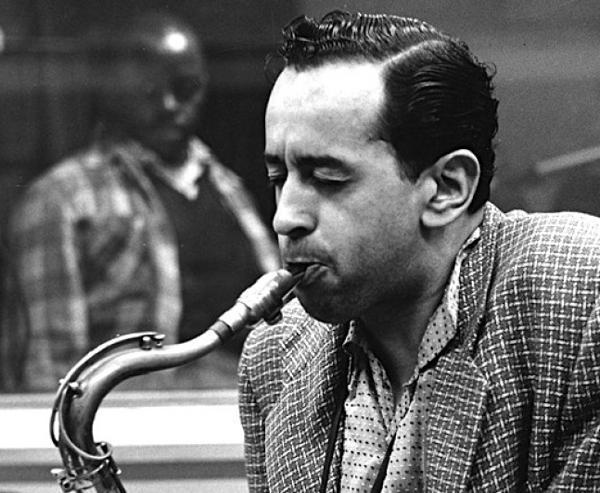
Paul Gonsalves’ Spotify BioThe greatest moment of Paul Gonsalves' musical career occurred at the 1956 Newport Jazz Festival when, to bridge the gap between "Diminuendo in Blue" and "Crescendo in Blue," Duke Ellington urged him to take a long solo, egging him on through 27 exciting choruses that almost caused a riot. That well-publicized episode resulted in Ellington having a major "comeback," and Gonsalves forever earning Ellington's gratitude.
Gonsalves had already earned a strong reputation during his stints with Count Basie (1946-1949) and the Dizzy Gillespie Orchestra (1949-1950). Joining Ellington in 1950, Gonsalves' warm breathy tone and harmonically advanced solos were a constant fixture for 24 years (except for a brief time in 1953 when he was with Tommy Dorsey) and he was well-featured up until his death, just ten days before Ellington passed on. In addition to his countless number of recorded performances with Ellington, Gonsalves led dates of his own on an occasional basis, including for Argo,… Jazzland, Impulse (highlighted by a combative meeting with Sonny Stitt), Storyville, Black Lion, and Fantasy. ~ Scott Yanow, Rovi
Viberate is a music analytics platform built for A&Rs, artist managers, labels, booking agents, marketers, and artists.
It helps music professionals track artist growth, analyze audience data, monitor playlist activity, compare artists, follow song performance, and identify opportunities across the music market.
Public artist pages provide a free preview of selected artist data. Paid plans provide access to deeper analytics, historical data, charts, comparisons, playlist tools, exports, alerts, reports, and additional professional features.
Yes. Public Viberate artist pages provide selected artist analytics and music data for free.
Viberate also offers a 7-day free trial of the full platform. A credit card is required to start the trial. The trial includes access to the complete product so users can test deeper artist analytics, historical views, playlist insights, comparisons, charts, exports, alerts, and reporting features before choosing a paid plan.
Viberate provides artist analytics across streaming, playlists, social media, video, radio airplay, songs, and audience markets.
Users can analyze Spotify performance, Spotify and Apple Music playlists, YouTube activity, TikTok and Instagram growth, radio spins, song performance, audience locations, demographics, rankings, and overall artist momentum.
Artist profiles also connect to music charts, similar artists, and comparison tools, helping users benchmark performance and evaluate artists in context.
Viberate updates key artist and track data daily.
For followed artists and tracks, selected data is refreshed multiple times per day. This helps teams monitor playlist changes, streaming movement, audience growth, releases, and campaign performance with more current data.
Update frequency can vary depending on the metric and data source.
Yes. Viberate lets users compare up to five artists side by side across streaming, social media, audience, and engagement metrics.
Users can compare fanbase growth, audience demographics, locations, Spotify performance, social metrics, and other artist data over selected time periods.
Artist comparison can be used for A&R scouting, benchmarking, booking decisions, campaign planning, and evaluating artists with similar audiences or market positions.