Illinois Jacquet

Jazz
Big band Jazz
Swing
 Viberate Rank: 135951
 Viberate Rank: 135951
 Monthly ListenersFollowers
 Subscribers
 Followers
 Followers
 FansTop Spotify Songs
| Track | 7-Day Streams | |
|---|---|---|
1 | 17.59K | |
2 | 6.48K | |
3 | 5.39K | |
4 | 3.69K | |
5 | 2.02K |
Top YouTube VideosMonthly ListenersFeatured in Playlists| Playlist | Followers | |
|---|---|---|
1 |  The Birth of Rhythm & Blues Spotify | 319.26K |
2 |  SWING BIG BAND polca don'ts | 87.90K |
3 |  High Fidelity Soundtrack Servaas Vehmeijer | 67.66K |
4 |  Instrumental Jazz Valdemar Bille-Lauridsen | 45.25K |
5 |  JAZZ CHILLOUT 1296362009 | 44.21K |
Audience| City | Monthly Listeners | |
|---|---|---|
1 |  | 854 |
2 |  | 825 |
3 | | 756 |
4 |  | 742 |
5 |  | 698 |
See full performance history, audience data, playlist activity, rankings, comparisons, and more in Viberate music analytics. Start with a free trial, then continue with a paid plan.
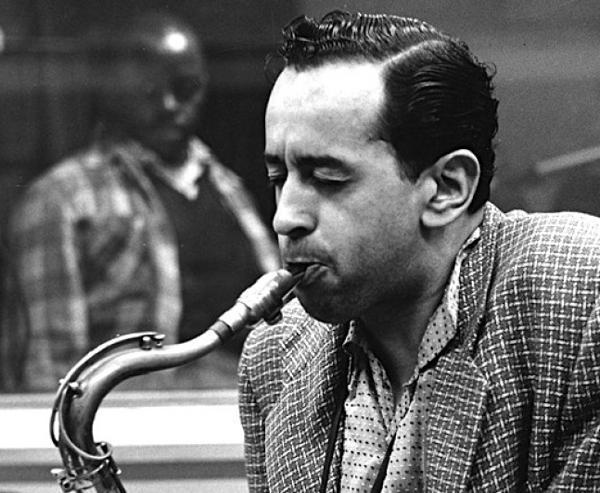
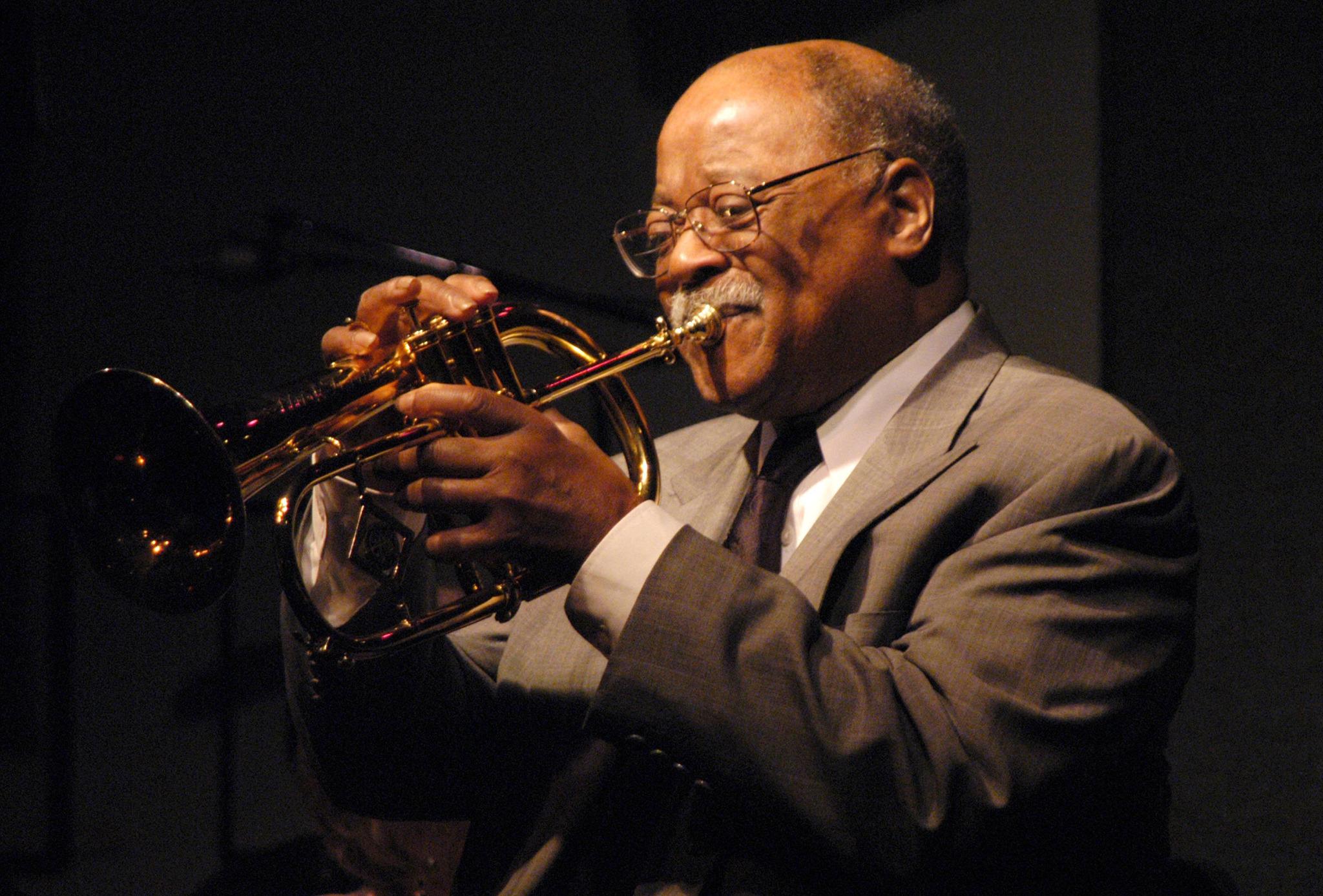
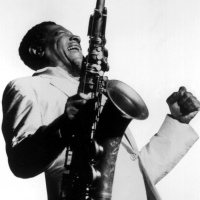
Illinois Jacquet’s Spotify BioOne of the great tenors, Illinois Jacquet's 1942 "Flying Home" solo is considered the first R&B sax solo, and spawned a full generation of younger tenors (including Joe Houston and Big Jay McNeely) who built their careers from his style, and practically from that one song.
Jacquet, whose older brother Russell (1917-1990) was a trumpeter who sometimes played in his bands, grew up in Houston, and his tough tone and emotional sound defined the Texas tenor school. After playing locally, he moved to Los Angeles where, in 1941, he played with Floyd Ray. He was the star of Lionel Hampton's 1942 big band ("Flying Home" became a signature song for Jacquet, Hampton, and even Illinois Jacquet' successor Arnett Cobb), and also was with Cab Calloway (1943-1944) and well featured with Count Basie (1945-1946). Jacquet's playing at the first Jazz at the Philharmonic concert (1944) included a screaming solo on "Blues" that found him biting on his reed to achieve high-register effects; the crowd went… wild. He repeated the idea during his appearance in the 1944 film short Jammin' the Blues. In 1945, Jacquet put together his own band, and both his recordings and live performances were quite exciting. He appeared with JATP on several tours in the 1950s, recorded steadily, and never really lost his popularity. In the 1960s, he sometimes doubled on bassoon (usually for a slow number such as "'Round Midnight") and it was an effective contrast to his stomping tenor. In the late '80s, Jacquet started leading an exciting part-time big band that only recorded one album, an Atlantic date from 1988. Through the years, Illinois Jacquet (whose occasional features on alto are quite influenced by Charlie Parker) has recorded as a leader for such labels as Apollo, Savoy, Aladdin, RCA, Verve, Mercury, Roulette, Epic, Argo, Prestige, Black Lion, Black & Blue, JRC, and Atlantic. Illinois Jacquet died on July 22, 2004. ~ Scott Yanow, Rovi
Viberate is a music analytics platform built for A&Rs, artist managers, labels, booking agents, marketers, and artists.
It helps music professionals track artist growth, analyze audience data, monitor playlist activity, compare artists, follow song performance, and identify opportunities across the music market.
Public artist pages provide a free preview of selected artist data. Paid plans provide access to deeper analytics, historical data, charts, comparisons, playlist tools, exports, alerts, reports, and additional professional features.
Yes. Public Viberate artist pages provide selected artist analytics and music data for free.
Viberate also offers a 7-day free trial of the full platform. A credit card is required to start the trial. The trial includes access to the complete product so users can test deeper artist analytics, historical views, playlist insights, comparisons, charts, exports, alerts, and reporting features before choosing a paid plan.
Viberate provides artist analytics across streaming, playlists, social media, video, radio airplay, songs, and audience markets.
Users can analyze Spotify performance, Spotify and Apple Music playlists, YouTube activity, TikTok and Instagram growth, radio spins, song performance, audience locations, demographics, rankings, and overall artist momentum.
Artist profiles also connect to music charts, similar artists, and comparison tools, helping users benchmark performance and evaluate artists in context.
Viberate updates key artist and track data daily.
For followed artists and tracks, selected data is refreshed multiple times per day. This helps teams monitor playlist changes, streaming movement, audience growth, releases, and campaign performance with more current data.
Update frequency can vary depending on the metric and data source.
Yes. Viberate lets users compare up to five artists side by side across streaming, social media, audience, and engagement metrics.
Users can compare fanbase growth, audience demographics, locations, Spotify performance, social metrics, and other artist data over selected time periods.
Artist comparison can be used for A&R scouting, benchmarking, booking decisions, campaign planning, and evaluating artists with similar audiences or market positions.