Nat Adderley

Jazz
Bebop
 Viberate Rank: 128780
 Viberate Rank: 128780
 Monthly ListenersFollowers
 Subscribers
 Followers
 Followers
 FansTop Spotify Songs
| Track | 7-Day Streams | |
|---|---|---|
1 | 17.59K | |
2 | 3.68K | |
3 | 3.58K | |
4 | 3.22K | |
5 | 3.22K |
Top YouTube VideosMonthly ListenersFeatured in Playlists| Playlist | Followers | |
|---|---|---|
1 |  Instrumental Jazz Standards Spotify | 184.09K |
2 |  Just Jazz Spotify | 173.61K |
3 |  Jazz Trumpet Spotify | 92.99K |
4 |  JAZZ CHILLOUT 1296362009 | 44.19K |
5 | Breaking Bad Soundtrack Timberly Jordache Faust | 33.40K |
Audience| City | Monthly Listeners | |
|---|---|---|
1 | | 1.12K |
2 |  | 963 |
3 |  | 832 |
4 | | 811 |
5 |  | 777 |
See full performance history, audience data, playlist activity, rankings, comparisons, and more in Viberate music analytics. Start with a free trial, then continue with a paid plan.
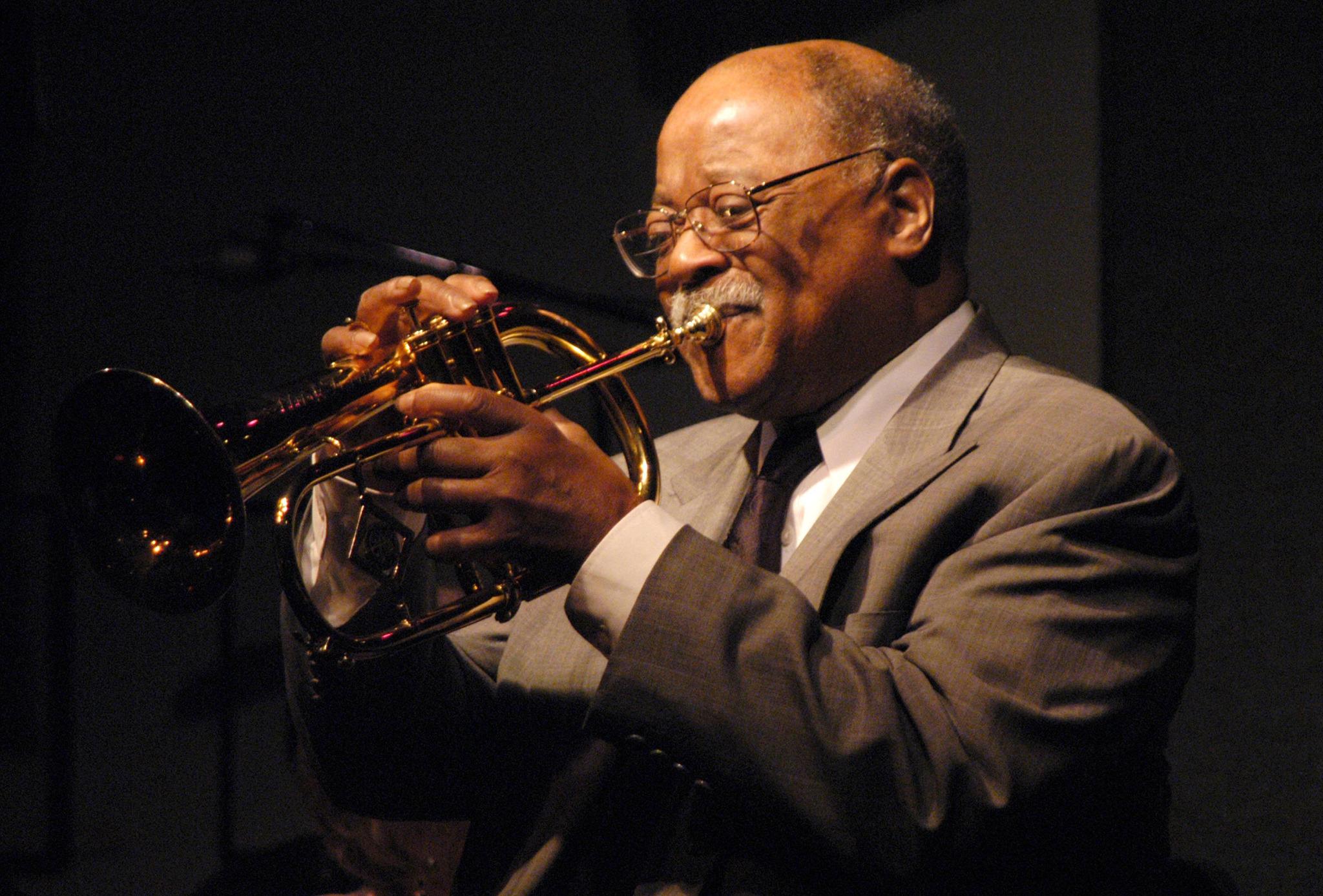
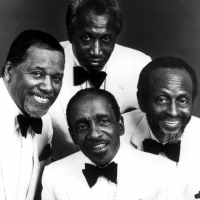
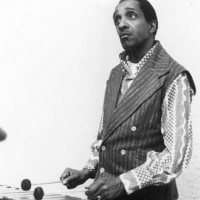
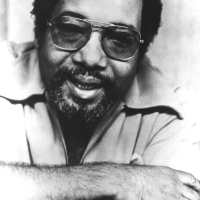
Nat Adderley’s Spotify BioNat Adderley's cornet (which in its early days was strongly influenced by Miles Davis) was always a complementary voice to his brother Cannonball in their popular quintet. His career ran parallel to his older brother for quite some time. Nat took up trumpet in 1946, switched to cornet in 1950, and spent time in the military, playing in an Army band during 1951-1953. After a period with Lionel Hampton (1954-1955), Nat made his recording debut in 1955, joined Cannonball's unsuccessful quintet of 1956-1957, and then spent periods with the groups of J.J. Johnson and Woody Herman before hooking up with Cannonball again in October 1959. This time the group became a major success and Nat remained in the quintet until Cannonball's death in 1975, contributing such originals as "Work Song," "Jive Samba," and "The Old Country" along with many exciting hard bop solos. Nat Adderley, who was at the peak of his powers in the early to mid-'60s and became adept at playing solos that dipped into the… subtone register of his horn, led his own quintets after Cannonball's death; his most notable sidemen were altoists Sonny Fortune (in the early '80s) and Vincent Herring. Although his own playing declined somewhat -- Adderley's chops no longer had the endurance of his earlier days -- Nat continued recording worthwhile sessions in the years prior to his death on January 2, 2000. Many but not all of his recordings through the years are currently available (for such labels as Savoy, EmArcy, Riverside, Jazzland, Atlantic, Milestone, A&M, Capitol, Prestige, SteepleChase, Galaxy, Theresa, In & Out, Landmark, Evidence, Enja, Timeless, Jazz Challenge, and Chiaroscuro). ~ Scott Yanow, Rovi
Viberate is a music analytics platform built for A&Rs, artist managers, labels, booking agents, marketers, and artists.
It helps music professionals track artist growth, analyze audience data, monitor playlist activity, compare artists, follow song performance, and identify opportunities across the music market.
Public artist pages provide a free preview of selected artist data. Paid plans provide access to deeper analytics, historical data, charts, comparisons, playlist tools, exports, alerts, reports, and additional professional features.
Yes. Public Viberate artist pages provide selected artist analytics and music data for free.
Viberate also offers a 7-day free trial of the full platform. A credit card is required to start the trial. The trial includes access to the complete product so users can test deeper artist analytics, historical views, playlist insights, comparisons, charts, exports, alerts, and reporting features before choosing a paid plan.
Viberate provides artist analytics across streaming, playlists, social media, video, radio airplay, songs, and audience markets.
Users can analyze Spotify performance, Spotify and Apple Music playlists, YouTube activity, TikTok and Instagram growth, radio spins, song performance, audience locations, demographics, rankings, and overall artist momentum.
Artist profiles also connect to music charts, similar artists, and comparison tools, helping users benchmark performance and evaluate artists in context.
Viberate updates key artist and track data daily.
For followed artists and tracks, selected data is refreshed multiple times per day. This helps teams monitor playlist changes, streaming movement, audience growth, releases, and campaign performance with more current data.
Update frequency can vary depending on the metric and data source.
Yes. Viberate lets users compare up to five artists side by side across streaming, social media, audience, and engagement metrics.
Users can compare fanbase growth, audience demographics, locations, Spotify performance, social metrics, and other artist data over selected time periods.
Artist comparison can be used for A&R scouting, benchmarking, booking decisions, campaign planning, and evaluating artists with similar audiences or market positions.