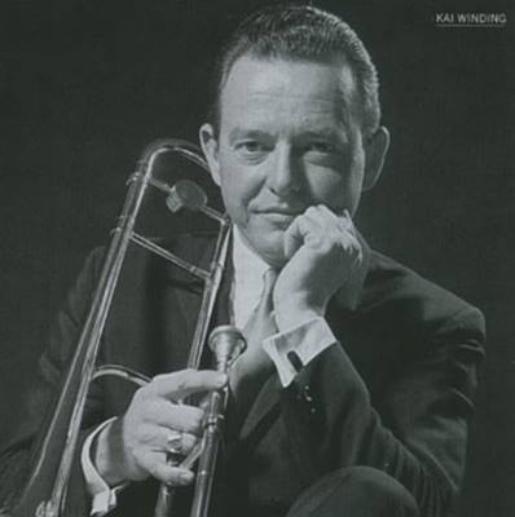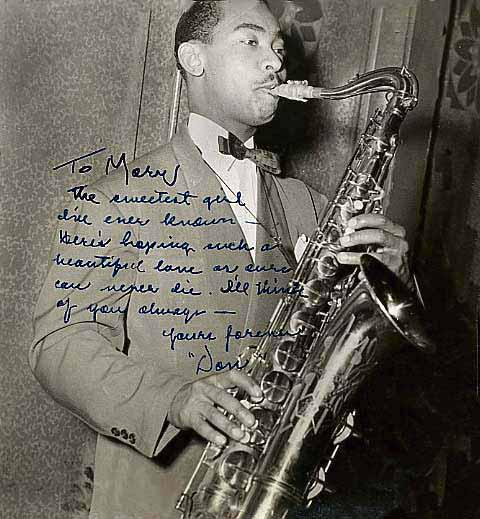
Don Byas

Jazz
Bebop
Swing
 Viberate Rank: 165394
 Viberate Rank: 165394
 Monthly ListenersFollowers
 Subscribers
 Followers
 Followers
 FansTop Spotify Songs
| Track | 7-Day Streams | |
|---|---|---|
1 | 13.89K | |
2 | 3.58K | |
3 | 2.69K | |
4 | 1.03K | |
5 | 794 |
Top YouTube VideosMonthly ListenersFeatured in Playlists| Playlist | Followers | |
|---|---|---|
1 |  Jazz Bar Spotify | 208.02K |
2 |  In the Mood for Jazz Spotify | 144.33K |
3 |  Disclosure's Record Bag Disclosure | 60.50K |
4 |  Girls | Official HBO | 48.74K |
5 |  JAZZ CHILLOUT 1296362009 | 44.19K |
Audience| City | Monthly Listeners | |
|---|---|---|
1 | | 628 |
2 |  | 547 |
3 |  | 489 |
4 |  | 466 |
5 | | 389 |
See full performance history, audience data, playlist activity, rankings, comparisons, and more in Viberate music analytics. Start with a free trial, then continue with a paid plan.
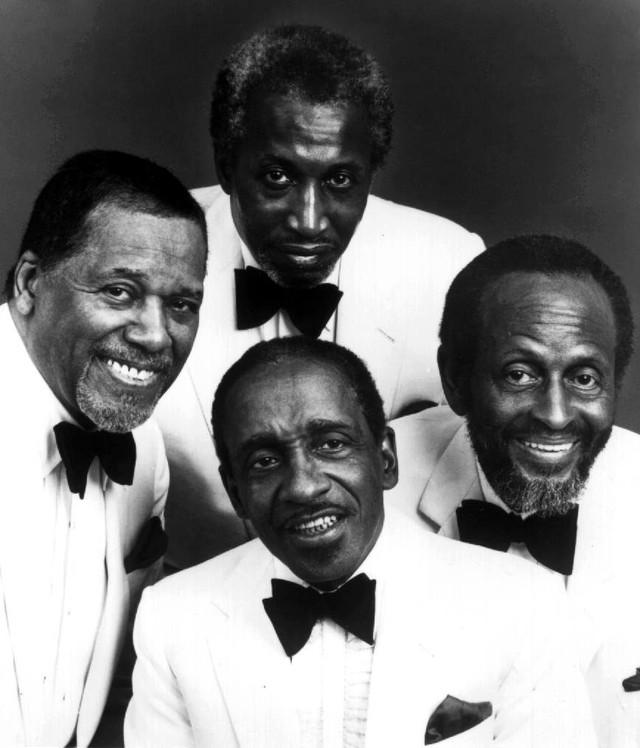
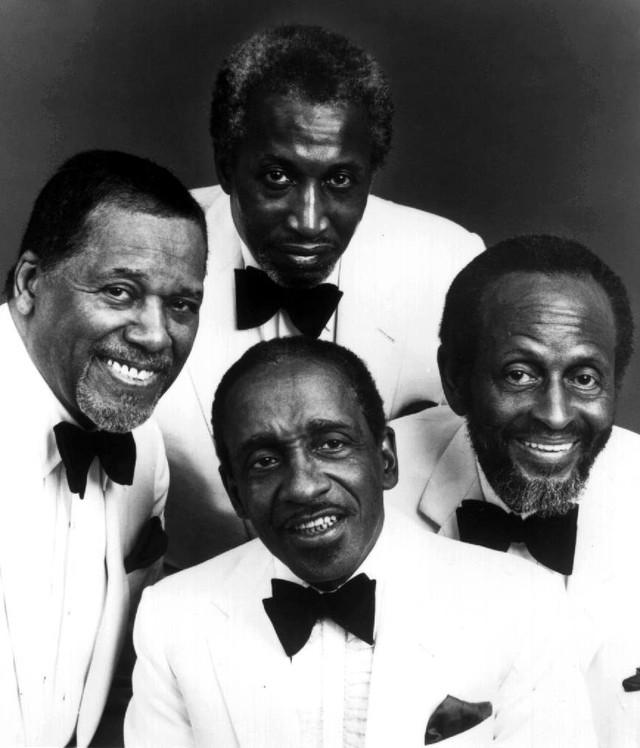
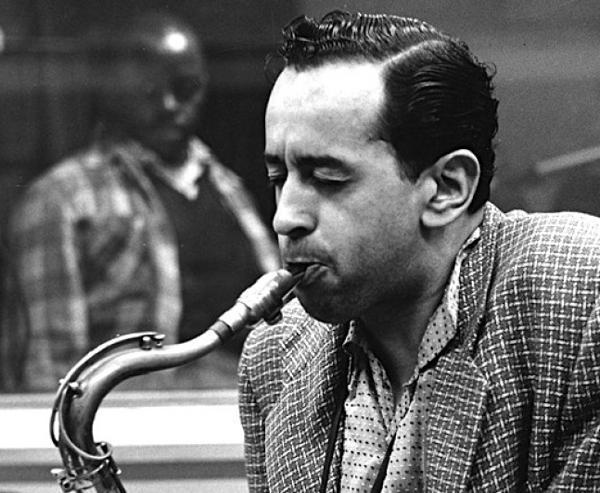
Don Byas’ Spotify BioOne of the greatest of all tenor players, Don Byas' decision to move permanently to Europe in 1946 resulted in him being vastly underrated in jazz history books. His knowledge of chords rivalled Coleman Hawkins, and, due to their similarity in tones, Byas can be considered an extension of the elder tenor. He played with many top swing bands, including those of Lionel Hampton (1935), Buck Clayton (1936), Don Redman, Lucky Millinder, Andy Kirk (1939-1940), and most importantly Count Basie (1941-1943). An advanced swing stylist, Byas' playing looked toward bop. He jammed at Minton's Playhouse in the early '40s, appeared on 52nd Street with Dizzy Gillespie, and performed a pair of stunning duets with bassist Slam Stewart at a 1944 Town Hall concert. After recording extensively during 1945-1946 (often as a leader), Byas went to Europe with Don Redman's band, and (with the exception of a 1970 appearance at the Newport Jazz Festival) never came back to the U.S. He lived in France, the… Netherlands, and Denmark; often appeared at festivals; and worked steadily. Whenever American players were touring, they would ask for Byas, who had opportunities to perform with Duke Ellington, Bud Powell, Kenny Clarke, Dizzy Gillespie, Jazz at the Philharmonic (including a recorded tenor battle with Hawkins and Stan Getz), Art Blakey, and (on a 1968 recording) Ben Webster. Byas also recorded often in the 1950s, but was largely forgotten in the U.S. by the time of his death. ~ Scott Yanow, Rovi
Viberate is a music analytics platform built for A&Rs, artist managers, labels, booking agents, marketers, and artists.
It helps music professionals track artist growth, analyze audience data, monitor playlist activity, compare artists, follow song performance, and identify opportunities across the music market.
Public artist pages provide a free preview of selected artist data. Paid plans provide access to deeper analytics, historical data, charts, comparisons, playlist tools, exports, alerts, reports, and additional professional features.
Yes. Public Viberate artist pages provide selected artist analytics and music data for free.
Viberate also offers a 7-day free trial of the full platform. A credit card is required to start the trial. The trial includes access to the complete product so users can test deeper artist analytics, historical views, playlist insights, comparisons, charts, exports, alerts, and reporting features before choosing a paid plan.
Viberate provides artist analytics across streaming, playlists, social media, video, radio airplay, songs, and audience markets.
Users can analyze Spotify performance, Spotify and Apple Music playlists, YouTube activity, TikTok and Instagram growth, radio spins, song performance, audience locations, demographics, rankings, and overall artist momentum.
Artist profiles also connect to music charts, similar artists, and comparison tools, helping users benchmark performance and evaluate artists in context.
Viberate updates key artist and track data daily.
For followed artists and tracks, selected data is refreshed multiple times per day. This helps teams monitor playlist changes, streaming movement, audience growth, releases, and campaign performance with more current data.
Update frequency can vary depending on the metric and data source.
Yes. Viberate lets users compare up to five artists side by side across streaming, social media, audience, and engagement metrics.
Users can compare fanbase growth, audience demographics, locations, Spotify performance, social metrics, and other artist data over selected time periods.
Artist comparison can be used for A&R scouting, benchmarking, booking decisions, campaign planning, and evaluating artists with similar audiences or market positions.