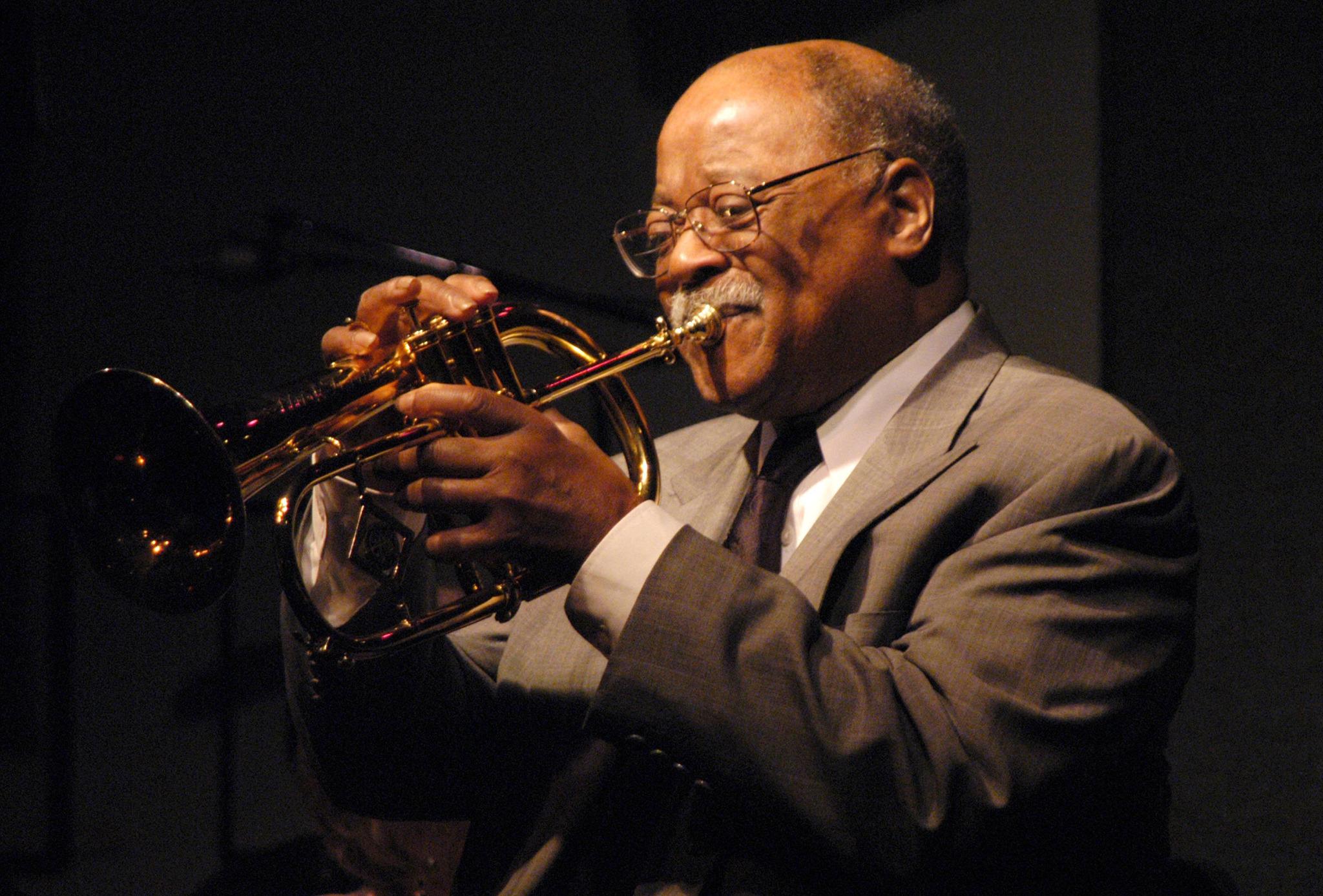
Clark Terry

Jazz
Smooth Jazz
Bebop
Swing
 Viberate Rank: 98135
 Viberate Rank: 98135
 Monthly ListenersFollowers
 Subscribers
 Followers
 Followers
 FansTop Spotify Songs
| Track | 7-Day Streams | |
|---|---|---|
1 | 31.86K | |
2 | 7.91K | |
3 | 4.38K | |
4 | 4.00K | |
5 | 3.60K |
Top YouTube VideosMonthly ListenersFeatured in Playlists| Playlist | Followers | |
|---|---|---|
1 |  In the Mood for Jazz Spotify | 144.33K |
2 |  Jazz-Blues Spotify | 142.71K |
3 |  Haruki Murakami's vinyl collection Masamaro | 109.94K |
4 |  Jazz Trumpet Spotify | 92.99K |
5 | JAZZ/BLUES Bowerbird & Friends | 81.78K |
Audience| City | Monthly Listeners | |
|---|---|---|
1 |  | 1.62K |
2 |  | 1.53K |
3 | | 1.49K |
4 |  | 1.36K |
5 | | 1.17K |
See full performance history, audience data, playlist activity, rankings, comparisons, and more in Viberate music analytics. Start with a free trial, then continue with a paid plan.
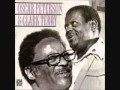
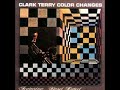
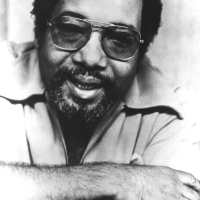
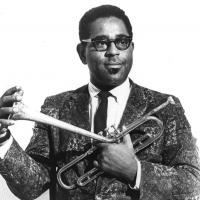
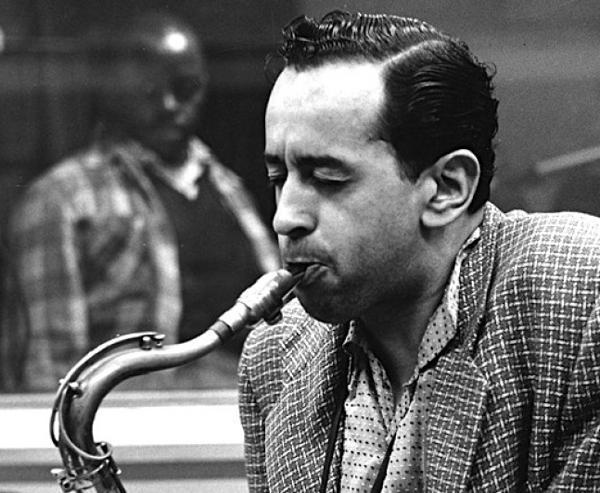
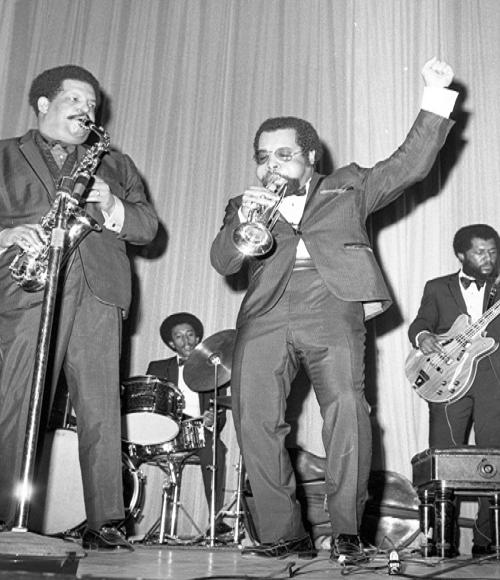
Clark Terry’s Spotify BioPossessor of the happiest sound in jazz, flügelhornist Clark Terry always played music that was exuberant, swinging, and fun. A brilliant (and very distinctive) soloist, Terry gained fame for his "Mumbles" vocals (which started as a satire of the less intelligible ancient blues singers) and was also an enthusiastic educator. He gained early experience playing trumpet in the viable St. Louis jazz scene of the early '40s (where he was an inspiration for Miles Davis) and, after performing in a Navy band during World War II, he gained a strong reputation playing with the big band of Charlie Barnet (1947-1948), the orchestra and small groups of Count Basie (1948-1951), and particularly with Duke Ellington (1951-1959). Terry, a versatile swing/bop soloist who started specializing on flügelhorn in the mid-'50s, had many features with Ellington (including "Perdido"), and started leading his own record dates during that era. He visited Europe with Harold Arlen's unsuccessful Free & Easy show of… 1959-1960 as part of Quincy Jones' Orchestra, and then joined the staff of NBC where he was a regular member of the Tonight Show Orchestra. He recorded regularly in the '60s, including a classic set with the Oscar Peterson Trio and several dates with the quintet he co-led with valve trombonist Bob Brookmeyer. Throughout the '70s, '80s, and '90s, Terry remained a major force, recording and performing in a wide variety of settings, including as the head of his short-lived big band in the mid-'70s, with all-star groups for Pablo, and as a guest artist who provided happiness in every note he played. Terry died on February 21, 2015, at age 94, after an extended battle with diabetes. ~ Scott Yanow, Rovi
Viberate is a music analytics platform built for A&Rs, artist managers, labels, booking agents, marketers, and artists.
It helps music professionals track artist growth, analyze audience data, monitor playlist activity, compare artists, follow song performance, and identify opportunities across the music market.
Public artist pages provide a free preview of selected artist data. Paid plans provide access to deeper analytics, historical data, charts, comparisons, playlist tools, exports, alerts, reports, and additional professional features.
Yes. Public Viberate artist pages provide selected artist analytics and music data for free.
Viberate also offers a 7-day free trial of the full platform. A credit card is required to start the trial. The trial includes access to the complete product so users can test deeper artist analytics, historical views, playlist insights, comparisons, charts, exports, alerts, and reporting features before choosing a paid plan.
Viberate provides artist analytics across streaming, playlists, social media, video, radio airplay, songs, and audience markets.
Users can analyze Spotify performance, Spotify and Apple Music playlists, YouTube activity, TikTok and Instagram growth, radio spins, song performance, audience locations, demographics, rankings, and overall artist momentum.
Artist profiles also connect to music charts, similar artists, and comparison tools, helping users benchmark performance and evaluate artists in context.
Viberate updates key artist and track data daily.
For followed artists and tracks, selected data is refreshed multiple times per day. This helps teams monitor playlist changes, streaming movement, audience growth, releases, and campaign performance with more current data.
Update frequency can vary depending on the metric and data source.
Yes. Viberate lets users compare up to five artists side by side across streaming, social media, audience, and engagement metrics.
Users can compare fanbase growth, audience demographics, locations, Spotify performance, social metrics, and other artist data over selected time periods.
Artist comparison can be used for A&R scouting, benchmarking, booking decisions, campaign planning, and evaluating artists with similar audiences or market positions.