Operation Ivy

Punk
Ska Punk
 Viberate Rank: 46847
 Viberate Rank: 46847
 Monthly ListenersFollowers
 Subscribers
 Followers
 Followers
 FansTop Spotify Songs
| Track | 7-Day Streams | |
|---|---|---|
1 | 107.04K | |
2 | 59.63K | |
3 | 51.31K | |
4 | 31.91K | |
5 | 23.94K |
Top YouTube Videos| Video | 7-Day Views | |
|---|---|---|
1 | 635 | |
2 | 309 | |
3 | 159 | |
4 | 142 | |
5 | 122 |
Monthly ListenersFeatured in Playlists| Playlist | Followers | |
|---|---|---|
1 |  Pure Pop Punk Spotify | 2.99M |
2 |  Classic Punk Spotify | 1.60M |
3 |  Punk Essentials Spotify | 913.28K |
4 | SKA Kevin McLaughlin | 111.43K |
5 |  Punk Rock - by 23punk 23punk | 87.77K |
Audience| City | Monthly Listeners | |
|---|---|---|
1 | | 11.03K |
2 | | 6.37K |
3 | | 4.96K |
4 |  | 4.65K |
5 | | 4.60K |
See full performance history, audience data, playlist activity, rankings, comparisons, and more in Viberate music analytics. Start with a free trial, then continue with a paid plan.
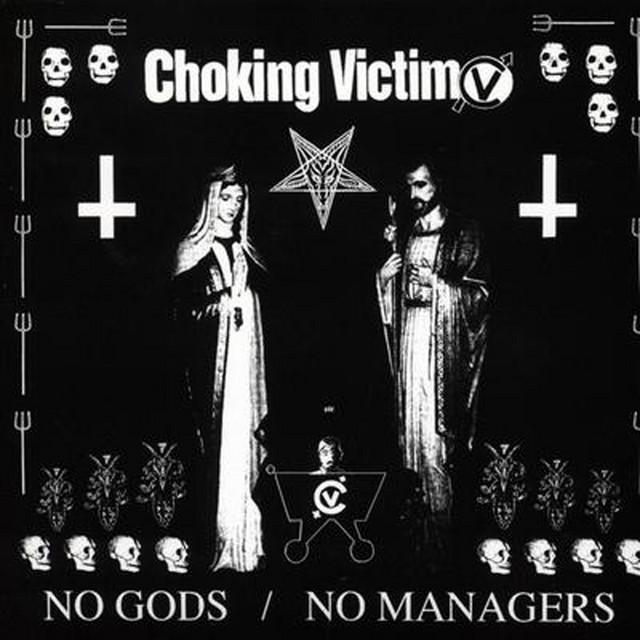
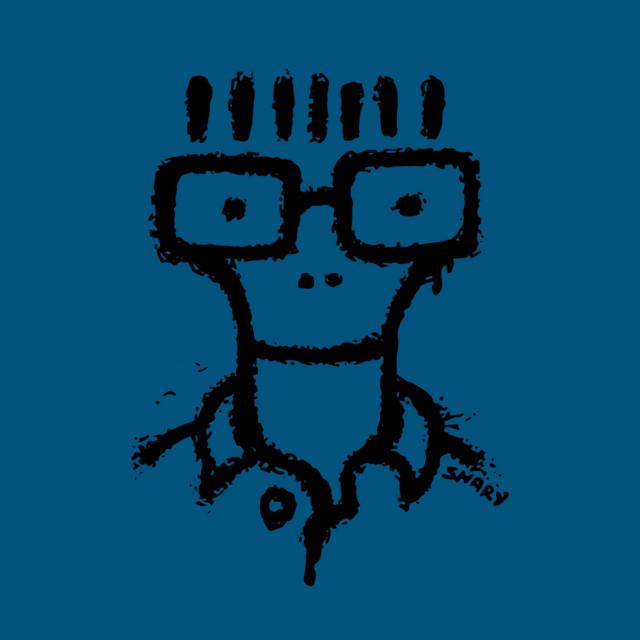
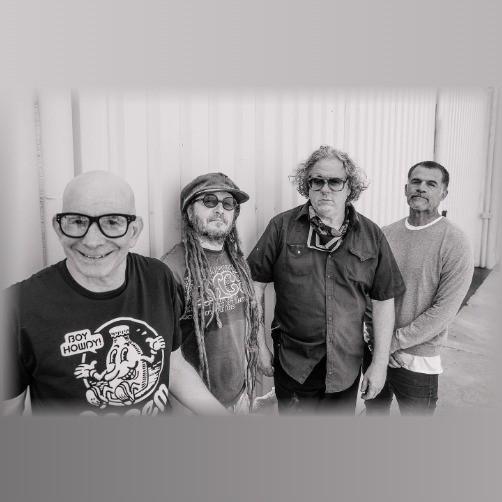
Operation Ivy’s Spotify BioOne of the first bands to fuse revivalist ska with the energy and aggression of post-hardcore punk rock (after the Mighty Mighty Bosstones), Operation Ivy were also one of the few ska-punk bands to earn critical acclaim. Part of the reason was that they were one of the genre's innovators, possessed of a freshness that many of their imitators lacked, but their lyrics were often more intelligent and substantive as well. Thanks to their early breakup (the group was only together for two years), Operation Ivy became an enduring, even legendary influence in the neo-punk underground, especially after half of the band went on to hit it big in a new group, Rancid.
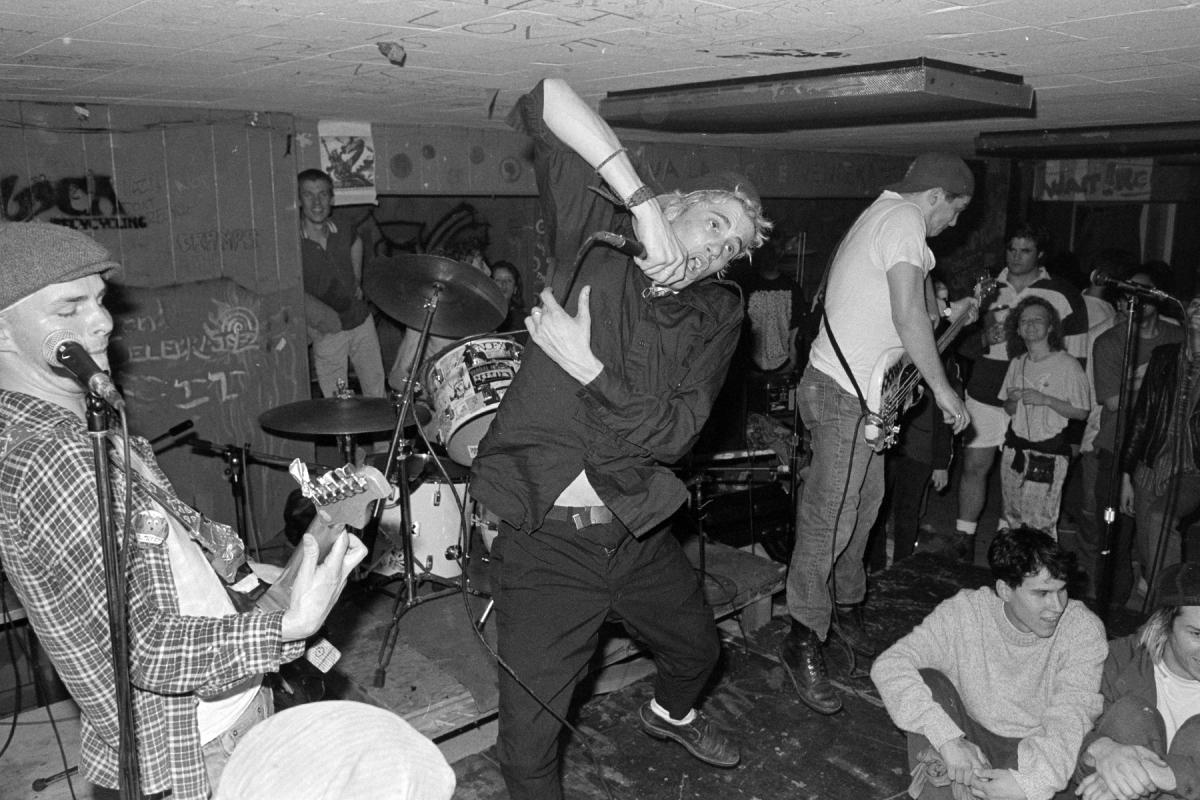
Operation Ivy were formed in Berkeley, CA, in May 1987 out of the ashes of several local bands. Lead singer Jesse Michaels, guitarist Lint (born Tim Armstrong), bassist Matt McCall (born Matt Freeman, renamed after the hero of the TV series The Equalizer), and drummer Dave Mello began playing extensively at the famed Gilman Street… club, a center of the Bay Area's burgeoning punk revival scene. (Initially, they had no horn section, though sax player Paul Bae would later join them on selected recordings.) They quickly signed with the local punk label Lookout, and appeared on two compilations by the end of the year: the label sampler The Thing That Ate Floyd, and the Maximum Rock'n'Roll magazine sampler Turn It Around. In 1988, they released an EP titled Hectic and toured the country, playing small-scale punk venues.
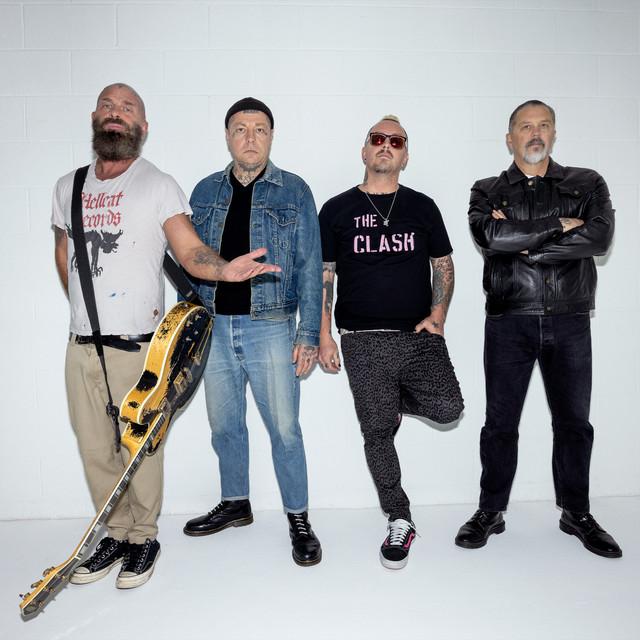
With a budding reputation as an excellent live band, EMI offered Operation Ivy a major-label deal. Unsure of how to react to the prospect of success -- both because of their independent politics and local-mindedness -- the band chose to break up rather than compromise their intentions, playing their last show in May 1989. Their debut full-length album, Energy, was released on Lookout several months later, and became a touchstone of the third wave ska revival largely through word of mouth. Michaels went on to sing with Big Rig before leaving music; varying accounts hold that he became either a Buddhist monk or a Central American missionary, and may have returned to the U.S. to work for Lookout. Mello joined Schlong and then reunited briefly with Armstrong and Freeman in Downfall, which released an album on Lookout in 1995. Armstrong and Freeman, reverting to their real names, formed Rancid in 1991; their Clash-inspired punk and ska helped make them one of the most popular bands of the '90s punk revival, after Green Day and the Offspring. ~ Steve Huey, Rovi
Viberate is a music analytics platform built for A&Rs, artist managers, labels, booking agents, marketers, and artists.
It helps music professionals track artist growth, analyze audience data, monitor playlist activity, compare artists, follow song performance, and identify opportunities across the music market.
Public artist pages provide a free preview of selected artist data. Paid plans provide access to deeper analytics, historical data, charts, comparisons, playlist tools, exports, alerts, reports, and additional professional features.
Yes. Public Viberate artist pages provide selected artist analytics and music data for free.
Viberate also offers a 7-day free trial of the full platform. A credit card is required to start the trial. The trial includes access to the complete product so users can test deeper artist analytics, historical views, playlist insights, comparisons, charts, exports, alerts, and reporting features before choosing a paid plan.
Viberate provides artist analytics across streaming, playlists, social media, video, radio airplay, songs, and audience markets.
Users can analyze Spotify performance, Spotify and Apple Music playlists, YouTube activity, TikTok and Instagram growth, radio spins, song performance, audience locations, demographics, rankings, and overall artist momentum.
Artist profiles also connect to music charts, similar artists, and comparison tools, helping users benchmark performance and evaluate artists in context.
Viberate updates key artist and track data daily.
For followed artists and tracks, selected data is refreshed multiple times per day. This helps teams monitor playlist changes, streaming movement, audience growth, releases, and campaign performance with more current data.
Update frequency can vary depending on the metric and data source.
Yes. Viberate lets users compare up to five artists side by side across streaming, social media, audience, and engagement metrics.
Users can compare fanbase growth, audience demographics, locations, Spotify performance, social metrics, and other artist data over selected time periods.
Artist comparison can be used for A&R scouting, benchmarking, booking decisions, campaign planning, and evaluating artists with similar audiences or market positions.