Circle Jerks

Punk
Hardcore Punk
Punk Rock
 Viberate Rank: 30380
 Viberate Rank: 30380
 Monthly ListenersFollowers
 Subscribers
 Followers
 Followers
 FansTop Spotify Songs
| Track | 7-Day Streams | |
|---|---|---|
1 | 36.29K | |
2 | 28.56K | |
3 | 17.38K | |
4 | 14.42K | |
5 | 11.02K |
Top YouTube VideosMonthly ListenersFeatured in Playlists| Playlist | Followers | |
|---|---|---|
1 |  Classic Punk Spotify | 1.60M |
2 |  All New Punk Spotify | 337.00K |
3 |  Ted Lasso - Complete Playlist aviamax | 104.99K |
4 |  Punk Rock - by 23punk 23punk | 87.77K |
5 | GTA V Songs Leroy Witkamp | 54.39K |
Audience| City | Monthly Listeners | |
|---|---|---|
1 | | 7.18K |
2 | | 3.06K |
3 |  | 2.56K |
4 | | 2.39K |
5 | | 2.36K |
See full performance history, audience data, playlist activity, rankings, comparisons, and more in Viberate music analytics. Start with a free trial, then continue with a paid plan.
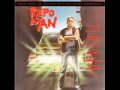
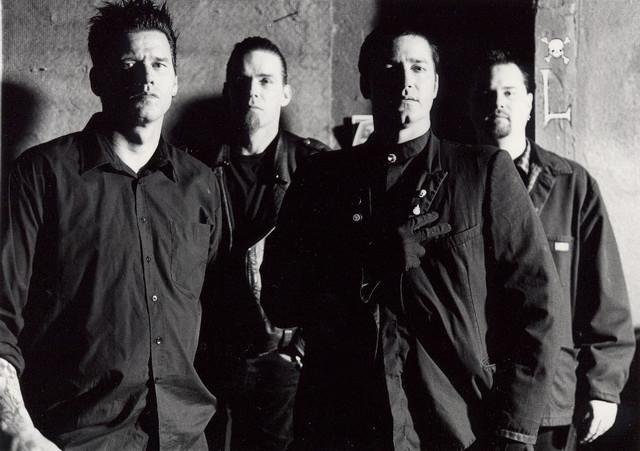
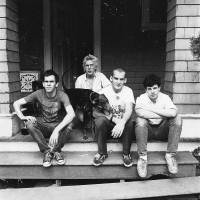
Circle Jerks’ Spotify BioCircle Jerks emerged from the punk underbelly of LA’s South Bay in 1979. After serving as a co-founder and lead vocalist of Black Flag during the recording of its essential Nervous Breakdown EP, Keith Morris joined forces with former Redd Kross guitarist Greg Hetson to form what would become Circle Jerks, along with bassist Roger Rogerson and jazz drummer Lucky Lehrer. Unlike much of the unapologetic hardcore that seeped through the cracks of American suburbia, the music of the Circle Jerks was thoughtfully steadfast, yet relentless and ferocious in nature. Bringing together a potent, articulate rhythm section with earnest yet oftentimes derisive lyrics and themes, the band was thereafter heralded as a leader of the pack - and a force to be reckoned with. Plowing forward with a relentless, tooth-cutting work ethic and a rousing stage presence, the band would soon find itself headlining shows at LA’s 5,000-capacity Olympic Auditorium and emblazoned in cult video classics like Decline of… Western Civilization and Repo Man. Over the decades, Circle Jerks would release six studio albums, where they would become a major headliner during the alternative music explosion of the 80’s and 90’s. During hiatuses, Morris fronted bands like OFF! and FLAG, while Hetson played guitar in Bad Religion.In celebration of the band’s 40th anniversary and the commemorative reissue of their celebrated landmark record Group Sex, Circle Jerks return to the stage for the first time in over a decade.
Viberate is a music analytics platform built for A&Rs, artist managers, labels, booking agents, marketers, and artists.
It helps music professionals track artist growth, analyze audience data, monitor playlist activity, compare artists, follow song performance, and identify opportunities across the music market.
Public artist pages provide a free preview of selected artist data. Paid plans provide access to deeper analytics, historical data, charts, comparisons, playlist tools, exports, alerts, reports, and additional professional features.
Yes. Public Viberate artist pages provide selected artist analytics and music data for free.
Viberate also offers a 7-day free trial of the full platform. A credit card is required to start the trial. The trial includes access to the complete product so users can test deeper artist analytics, historical views, playlist insights, comparisons, charts, exports, alerts, and reporting features before choosing a paid plan.
Viberate provides artist analytics across streaming, playlists, social media, video, radio airplay, songs, and audience markets.
Users can analyze Spotify performance, Spotify and Apple Music playlists, YouTube activity, TikTok and Instagram growth, radio spins, song performance, audience locations, demographics, rankings, and overall artist momentum.
Artist profiles also connect to music charts, similar artists, and comparison tools, helping users benchmark performance and evaluate artists in context.
Viberate updates key artist and track data daily.
For followed artists and tracks, selected data is refreshed multiple times per day. This helps teams monitor playlist changes, streaming movement, audience growth, releases, and campaign performance with more current data.
Update frequency can vary depending on the metric and data source.
Yes. Viberate lets users compare up to five artists side by side across streaming, social media, audience, and engagement metrics.
Users can compare fanbase growth, audience demographics, locations, Spotify performance, social metrics, and other artist data over selected time periods.
Artist comparison can be used for A&R scouting, benchmarking, booking decisions, campaign planning, and evaluating artists with similar audiences or market positions.