Descendents

Punk
Pop Punk
Skate Punk
 Viberate Rank: 13292
 Viberate Rank: 13292
 Monthly ListenersFollowers
 Subscribers
 Followers
 Followers
 FansTop Spotify Songs
| Track | 7-Day Streams | |
|---|---|---|
1 | 103.89K | |
2 | 93.88K | |
3 | 87.43K | |
4 | 66.59K | |
5 | 63.07K |
Top YouTube Videos| Video | 7-Day Views | |
|---|---|---|
1 | 13.25K | |
2 | 4.60K | |
3 | 3.13K | |
4 | 1.14K | |
5 | 862 |
Monthly ListenersFeatured in Playlists| Playlist | Followers | |
|---|---|---|
1 |  Classic Punk Spotify | 1.60M |
2 |  Punk Christmas Spotify | 91.21K |
3 |  Punk Rock - by 23punk 23punk | 87.77K |
4 |  We Were All Teenagers Once My Chemical Romance | 57.69K |
5 | GTA V Songs Leroy Witkamp | 54.39K |
Audience| City | Monthly Listeners | |
|---|---|---|
1 | | 24.05K |
2 | | 12.43K |
3 | | 9.78K |
4 | | 9.12K |
5 | | 8.03K |
See full performance history, audience data, playlist activity, rankings, comparisons, and more in Viberate music analytics. Start with a free trial, then continue with a paid plan.
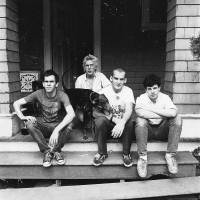
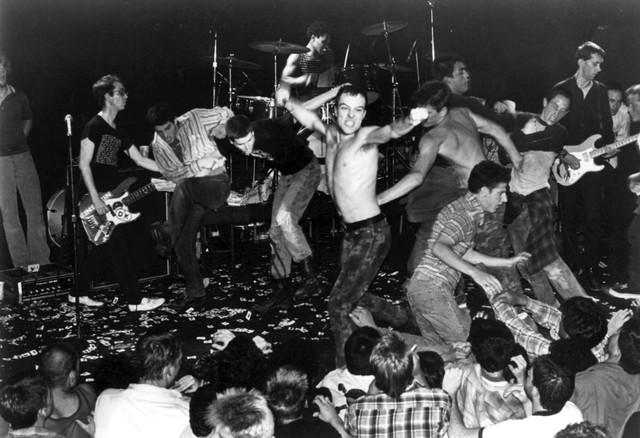
Descendents’ Spotify BioFormed in L.A.’s South Bay in 1978, Descendents began as a power trio featuring bassist Tony Lombardo, drummer Bill Stevenson, and guitarist Frank Navetta (d. 2008). The band recruited vocalist Milo Aukerman in 1980 and began establishing themselves as major players in the Southern California Punk movement. Over the years, the band has sustained a potent chemistry and shared vision, further cementing them as punk legends.
In 2002, the original four-piece lineup — Frank Navetta, Tony Lombardo, Bill Stevenson, and Milo Aukerman — got back into the studio to finally record their first-ever songs. The songs were written by the band from 1977 through 1980, before recording the Fat EP (1981) and the Milo Goes to College LP (1982). Put simply, this is the Descendents’ earliest material, representing a “lost” pre-MGTC album. Most of these songs have not been heard—until now.
“9th & Walnut is where our first practice room was, in Frank’s sister’s garage,” Stevenson recalls. “His brother and… sister lived there, and “The Pagan Babies”, Frank’s band with his brothers, played there too. Some of these songs were written when Frank was only 14 years old.” When the band reconvened to record them, it was just like the earliest days: “We just fell right into our old mode. It was so natural.”
Viberate is a music analytics platform built for A&Rs, artist managers, labels, booking agents, marketers, and artists.
It helps music professionals track artist growth, analyze audience data, monitor playlist activity, compare artists, follow song performance, and identify opportunities across the music market.
Public artist pages provide a free preview of selected artist data. Paid plans provide access to deeper analytics, historical data, charts, comparisons, playlist tools, exports, alerts, reports, and additional professional features.
Yes. Public Viberate artist pages provide selected artist analytics and music data for free.
Viberate also offers a 7-day free trial of the full platform. A credit card is required to start the trial. The trial includes access to the complete product so users can test deeper artist analytics, historical views, playlist insights, comparisons, charts, exports, alerts, and reporting features before choosing a paid plan.
Viberate provides artist analytics across streaming, playlists, social media, video, radio airplay, songs, and audience markets.
Users can analyze Spotify performance, Spotify and Apple Music playlists, YouTube activity, TikTok and Instagram growth, radio spins, song performance, audience locations, demographics, rankings, and overall artist momentum.
Artist profiles also connect to music charts, similar artists, and comparison tools, helping users benchmark performance and evaluate artists in context.
Viberate updates key artist and track data daily.
For followed artists and tracks, selected data is refreshed multiple times per day. This helps teams monitor playlist changes, streaming movement, audience growth, releases, and campaign performance with more current data.
Update frequency can vary depending on the metric and data source.
Yes. Viberate lets users compare up to five artists side by side across streaming, social media, audience, and engagement metrics.
Users can compare fanbase growth, audience demographics, locations, Spotify performance, social metrics, and other artist data over selected time periods.
Artist comparison can be used for A&R scouting, benchmarking, booking decisions, campaign planning, and evaluating artists with similar audiences or market positions.