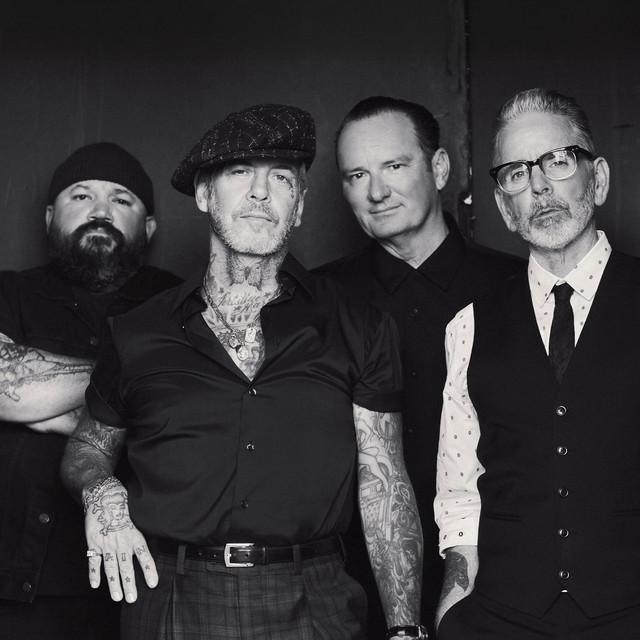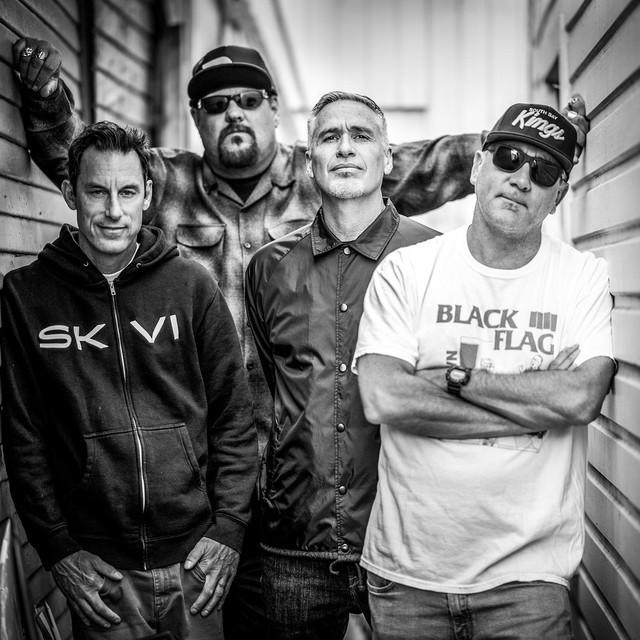
Rancid

Punk
Punk Rock
Ska Punk
 Viberate Rank: 7756
 Viberate Rank: 7756
 Monthly ListenersFollowers
 Subscribers
 Followers
 Followers
 FansTop Spotify Songs
| Track | 7-Day Streams | |
|---|---|---|
1 | 324.36K | |
2 | 165.98K | |
3 | 163.46K | |
4 | 112.81K | |
5 | 58.93K |
Top YouTube Videos| Video | 7-Day Views | |
|---|---|---|
1 | 36.24K | |
2 | 29.16K | |
3 | 24.86K | |
4 | 22.03K | |
5 | 21.10K |
Monthly ListenersFeatured in Playlists| Playlist | Followers | |
|---|---|---|
1 |  Classic Punk Spotify | 1.60M |
2 |  Punk Essentials Spotify | 913.28K |
3 | Best '90s Alternative Playlist Ever jasonrb | 795.03K |
4 |  90s ALT ROCK Filtr US | 687.27K |
5 |  The Essential Ska Spotify | 415.26K |
Audience| City | Monthly Listeners | |
|---|---|---|
1 |  | 21.62K |
2 | | 21.24K |
3 |  | 19.64K |
4 | | 15.77K |
5 | | 15.65K |
See full performance history, audience data, playlist activity, rankings, comparisons, and more in Viberate music analytics. Start with a free trial, then continue with a paid plan.
Rancid’s Spotify BioEmerging from the blue-collar swamps of Berkeley, California, Rancid has now been a living, breathing punk rock band for over a quarter century.
Back in 1991, after the demise of their much beloved and still influential first band, Operation Ivy, founding members Tim Armstrong (vocals, guitar) and Matt Freeman (bass, vocals) decided to do the impossible -- start an even better band. Thus, Rancid.
In 1995, Rancid released the classic platinum-selling “...And Out Come The Wolves.” . They followed with the even more ambitious “Life Won’t Wait” in 1998, and in 2000, Rancid released another album entitled “Rancid,” just to see if anyone was paying attention.
After “Indestructible” in 2003, Branden Steineckert (drums) joined to solidify Rancid’s current line-up. They subsequently released the albums “Let The Dominos Fall” (2009), “Honor Is All We Know” (2014), and “Trouble Maker” (2017).
Through it all, Rancid has remained fiercely independent, never losing their loyalty to community or each… other. Their music confronts political and social issues, while balancing personal tales of love, loss, and heartbreak with attitude. Rancid gives their listeners a community where everyone can belong. By carrying on the traditions and spirit of the original punk rock bands that came before, Rancid has become a legend an inspiration to punk bands that have come after. They are the living embodiment of East Bay punk.
Viberate is a music analytics platform built for A&Rs, artist managers, labels, booking agents, marketers, and artists.
It helps music professionals track artist growth, analyze audience data, monitor playlist activity, compare artists, follow song performance, and identify opportunities across the music market.
Public artist pages provide a free preview of selected artist data. Paid plans provide access to deeper analytics, historical data, charts, comparisons, playlist tools, exports, alerts, reports, and additional professional features.
Yes. Public Viberate artist pages provide selected artist analytics and music data for free.
Viberate also offers a 7-day free trial of the full platform. A credit card is required to start the trial. The trial includes access to the complete product so users can test deeper artist analytics, historical views, playlist insights, comparisons, charts, exports, alerts, and reporting features before choosing a paid plan.
Viberate provides artist analytics across streaming, playlists, social media, video, radio airplay, songs, and audience markets.
Users can analyze Spotify performance, Spotify and Apple Music playlists, YouTube activity, TikTok and Instagram growth, radio spins, song performance, audience locations, demographics, rankings, and overall artist momentum.
Artist profiles also connect to music charts, similar artists, and comparison tools, helping users benchmark performance and evaluate artists in context.
Viberate updates key artist and track data daily.
For followed artists and tracks, selected data is refreshed multiple times per day. This helps teams monitor playlist changes, streaming movement, audience growth, releases, and campaign performance with more current data.
Update frequency can vary depending on the metric and data source.
Yes. Viberate lets users compare up to five artists side by side across streaming, social media, audience, and engagement metrics.
Users can compare fanbase growth, audience demographics, locations, Spotify performance, social metrics, and other artist data over selected time periods.
Artist comparison can be used for A&R scouting, benchmarking, booking decisions, campaign planning, and evaluating artists with similar audiences or market positions.