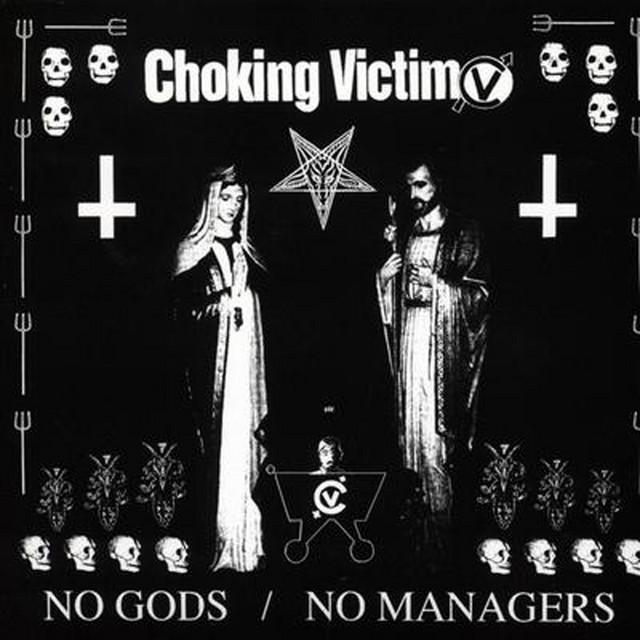
Choking Victim

Punk
Ska Punk
Hardcore Punk
 Viberate Rank: 96877
 Viberate Rank: 96877
 Monthly ListenersFollowers
 Subscribers
 Followers
 Followers
 FansTop Spotify Songs
| Track | 7-Day Streams | |
|---|---|---|
1 | 32.26K | |
2 | 14.65K | |
3 | 14.32K | |
4 | 10.12K | |
5 | 8.21K |
Top YouTube VideosMonthly ListenersFeatured in Playlists| Playlist | Followers | |
|---|---|---|
1 | SKA Kevin McLaughlin | 111.43K |
2 |  Best of SKA PUNK SKA PUNK DAILY | 34.83K |
3 |  failure loser core Stinky | 34.65K |
4 |  Ska Punk Essentials Kousa_cs | 33.50K |
5 |  i detect a little communism! emski | 20.00K |
Audience| City | Monthly Listeners | |
|---|---|---|
1 | | 3.21K |
2 | | 1.87K |
3 | | 1.58K |
4 | | 1.53K |
5 | | 1.52K |
See full performance history, audience data, playlist activity, rankings, comparisons, and more in Viberate music analytics. Start with a free trial, then continue with a paid plan.
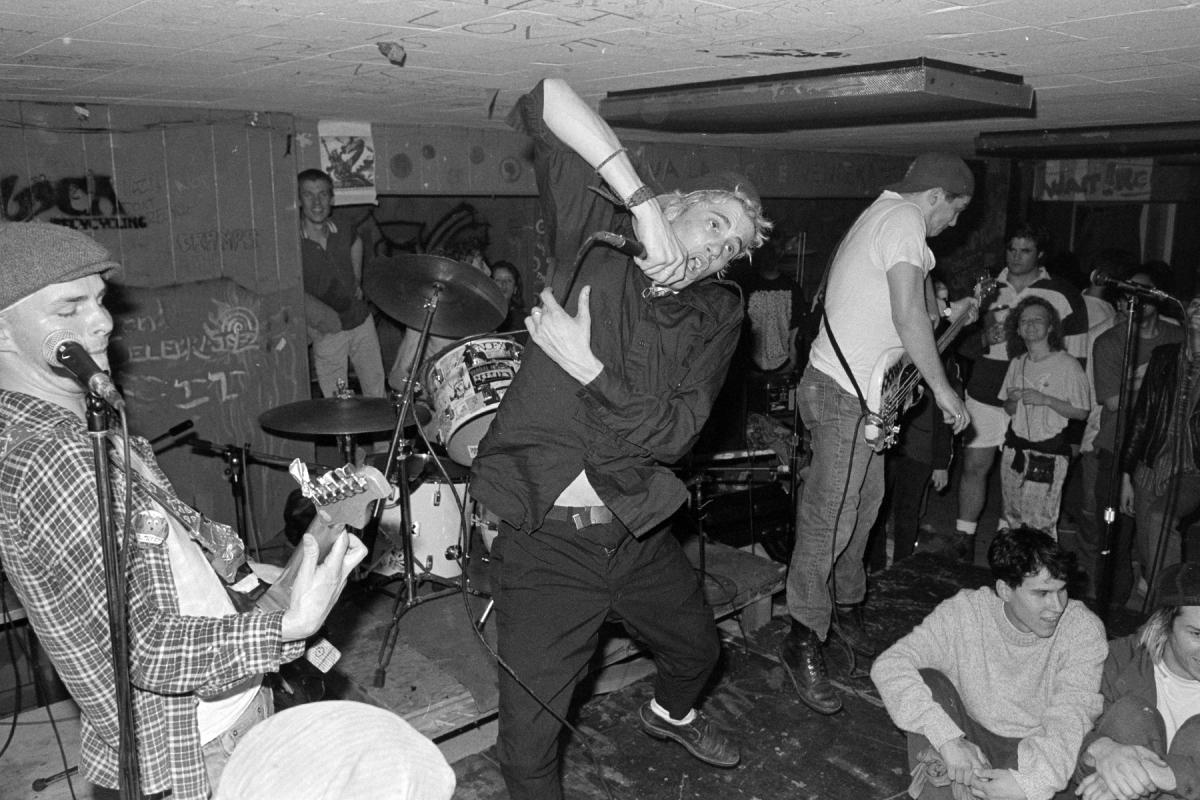
Choking Victim’s Spotify BioNew York City ska-punks Choking Victim, whose members lived together out of various squats on Manhattan's Lower East Side, comprised singer/guitarist Scott Stergin (aka Stza or Sturgeon), bassist Alec, and drummer Skwert, though the band also included guitarist Ezra, bassists Sascha Scatter and Shayne, and drummer John Dolan, among others, during their time together. Stza and Alec originally formed the band as No Commerical Value in the early '90s, the band eventually evolving into Choking Victim. After debuting with a handful of 7" singles during the mid-'90s that centered around their vagrant lifestyle and atheist beliefs, including the Crack Rock Steady EP and the "Squatta's Paradise" single, the trio signed to the Epitaph imprint Hellcat to release the full-length No Gods, No Managers in 1999. Choking Victim broke up after the first day of recording for the album, but fortunately, they'd gotten enough songs out of the session to release the record anyway. Crack Rock Steady Demo… followed a year later on Tent City, as did another release that conveniently put together the band's earlier singles and EP. Stza and Ezra went on to form Leftover Crack; Ezra also played in INDK with Skwert. ~ Jason Ankeny, Rovi
Viberate is a music analytics platform built for A&Rs, artist managers, labels, booking agents, marketers, and artists.
It helps music professionals track artist growth, analyze audience data, monitor playlist activity, compare artists, follow song performance, and identify opportunities across the music market.
Public artist pages provide a free preview of selected artist data. Paid plans provide access to deeper analytics, historical data, charts, comparisons, playlist tools, exports, alerts, reports, and additional professional features.
Yes. Public Viberate artist pages provide selected artist analytics and music data for free.
Viberate also offers a 7-day free trial of the full platform. A credit card is required to start the trial. The trial includes access to the complete product so users can test deeper artist analytics, historical views, playlist insights, comparisons, charts, exports, alerts, and reporting features before choosing a paid plan.
Viberate provides artist analytics across streaming, playlists, social media, video, radio airplay, songs, and audience markets.
Users can analyze Spotify performance, Spotify and Apple Music playlists, YouTube activity, TikTok and Instagram growth, radio spins, song performance, audience locations, demographics, rankings, and overall artist momentum.
Artist profiles also connect to music charts, similar artists, and comparison tools, helping users benchmark performance and evaluate artists in context.
Viberate updates key artist and track data daily.
For followed artists and tracks, selected data is refreshed multiple times per day. This helps teams monitor playlist changes, streaming movement, audience growth, releases, and campaign performance with more current data.
Update frequency can vary depending on the metric and data source.
Yes. Viberate lets users compare up to five artists side by side across streaming, social media, audience, and engagement metrics.
Users can compare fanbase growth, audience demographics, locations, Spotify performance, social metrics, and other artist data over selected time periods.
Artist comparison can be used for A&R scouting, benchmarking, booking decisions, campaign planning, and evaluating artists with similar audiences or market positions.