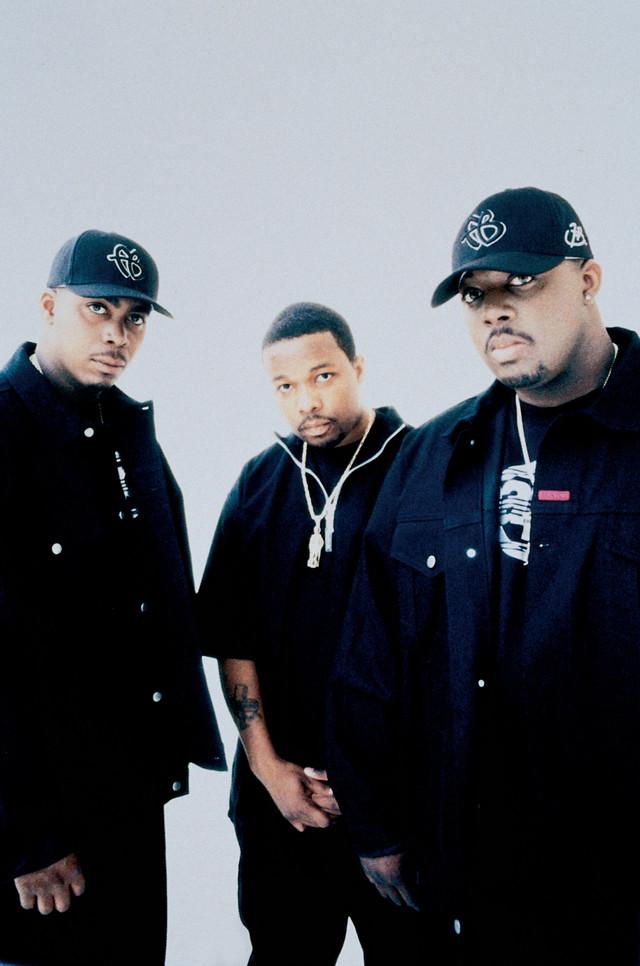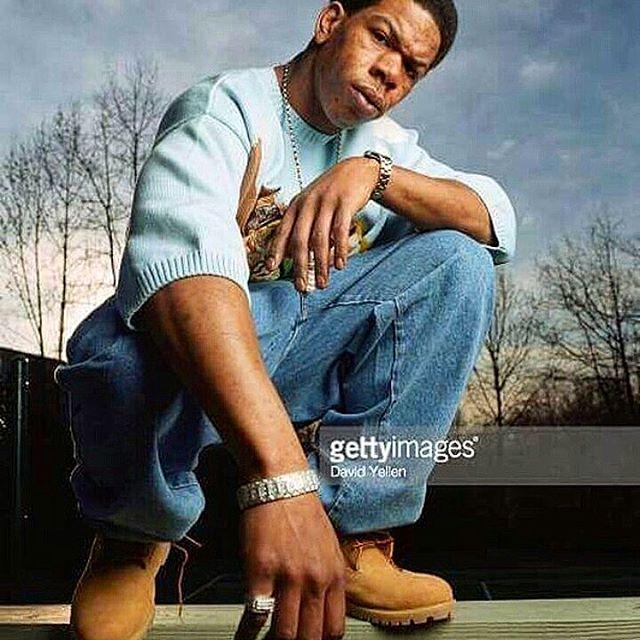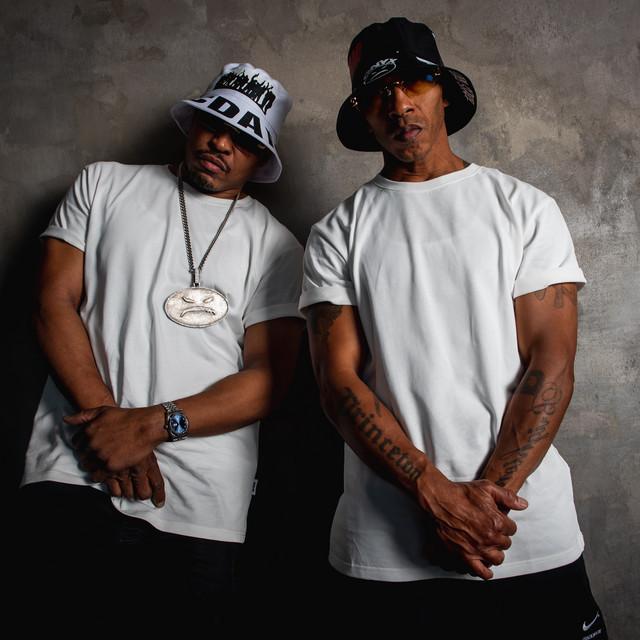
Onyx

Hip Hop
Contemporary Hip Hop
 Viberate Rank: 14153
 Viberate Rank: 14153
 Monthly ListenersFollowers
 Subscribers
 Followers
 Followers
 FansTop Spotify Songs
| Track | 7-Day Streams | |
|---|---|---|
1 | 175.14K | |
2 | 32.23K | |
3 | 24.89K | |
4 | 19.65K | |
5 | 17.56K |
Top YouTube Videos| Video | 7-Day Views | |
|---|---|---|
1 | 33.11K | |
2 | 11.43K | |
3 | 11.31K | |
4 | 11.20K | |
5 | 8.52K |
Monthly ListenersFeatured in Playlists| Playlist | Followers | |
|---|---|---|
1 |  Old School Hip Hop Filtr Sweden | 779.30K |
2 | 90s Hip Hop Party Ridgway | 311.83K |
3 |  Best Hip Hop Hits Mega Hits | 257.98K |
4 |  Def Jam 40 - 40 Forward Def Jam Recordings | 255.96K |
5 |  This Is DMX Spotify | 232.76K |
Audience| City | Monthly Listeners | |
|---|---|---|
1 |  | 12.35K |
2 | | 9.47K |
3 |  | 7.78K |
4 |  | 7.64K |
5 | | 7.10K |
See full performance history, audience data, playlist activity, rankings, comparisons, and more in Viberate music analytics. Start with a free trial, then continue with a paid plan.
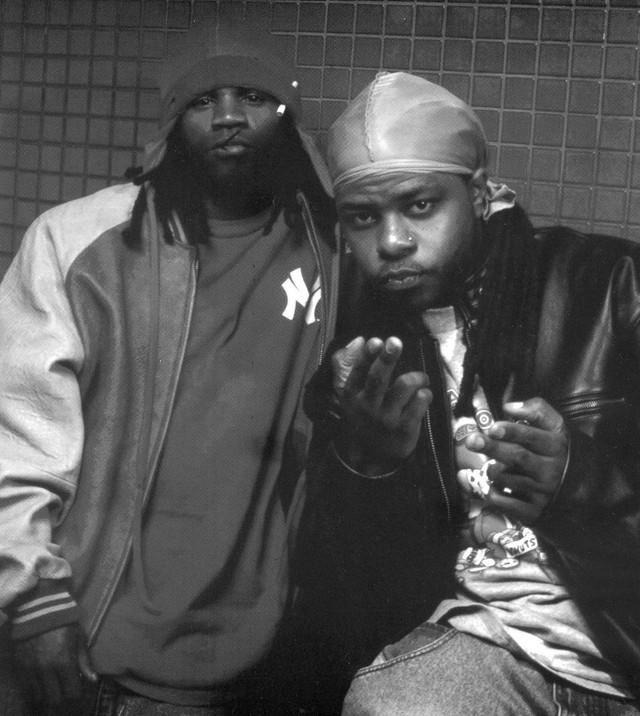
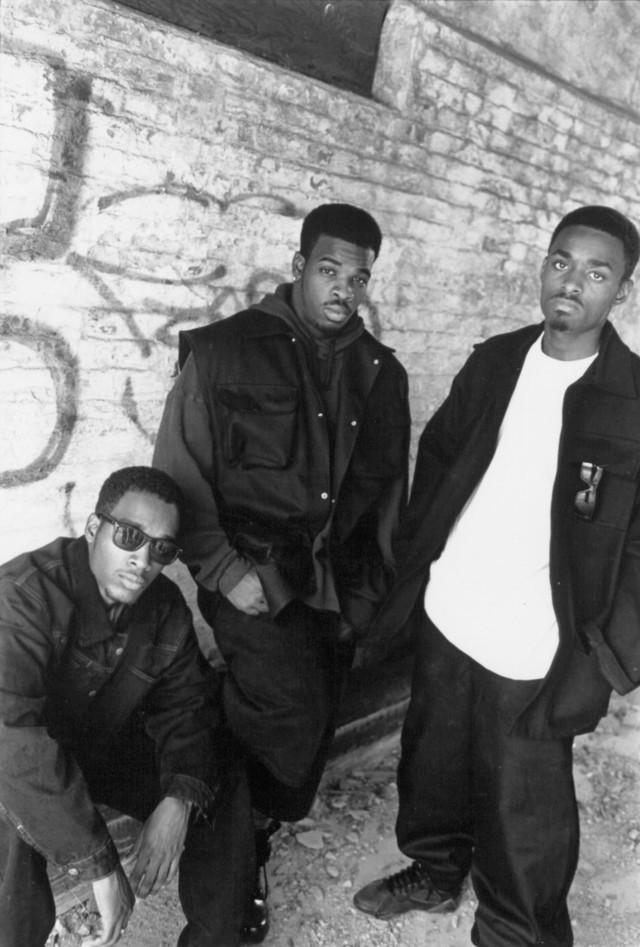
Onyx’s Spotify BioA combative and in-the-red style of hardcore rap brought Queens MCs Onyx unlikely Top Ten pop success in 1993 with "Slam." That instant hip-hop classic pushed the parent album Bacdafucup to Top 20 placement on the Billboard 200 and opened a route to the mainstream for similarly rowdy if otherwise distinctive hits by M.O.P. and DMX, two of the many artists with whom central members Fredro Starr and Sticky Fingaz would later collaborate. After their second and third albums for Jam Master Jay's JMJ label, namely All We Got Iz Us (1995) and the Top Ten hit Shut 'Em Down (1998), and a couple independent releases early the following decade, Fredro and Sticky paused the group for a while. The mid-2010s saw them begin a prolific run of releases, ranging from #WAKEDAFUCUP (2014) and Onyx 4 Life (2021) to Versus Everybody (2022) and Blood on Da X.
Originating from Queens' South Jamaica neighborhood, Onyx formed in 1988 and two years later made their recorded debut on the Profile label. "Ah, and… We Do It Like This" presented permanent members Fredro Starr and Sticky Fingaz, along with Suavé (aka Sonsee and Sonny Seeza) and Big DS, as an eager if comparatively reserved crew. The group subsequently found an admirer in Run-D.M.C.'s Jam Master Jay, who signed them to his Chaos/Columbia-affiliated JMJ label and co-produced their first album, Bacdafucup (1993). The set was led by the menacing "Throw Ya Gunz" and the highly energized and anthemic "Slam." Both singles topped Billboard's rap chart, but the latter was even more successful, a number four hit on the Hot 100. Bacdafucup consequently reached number 17 on the Billboard 200 and, like "Slam," went platinum. Shortly after their commercial impact was made, Onyx courted the metal crowd with a pair of Biohazard collaborations: the "Bionyx" remix of "Slam," and the title track to the motion picture Judgment Night. Bacdafucup went on to win Best Rap Album at the 1994 Soul Train Music Awards.
Although All We Got Iz Us (1995) and Shut 'Em Down (1998) both followed the debut into the Top Ten of Billboard's R&B/hip-hop chart (and on the Billboard 200 placed respectively at 22 and 10), Onyx left the major-label system after the latter and went independent with Bacdafucup, Pt. II (2002) and Triggernometry (2003). The second of those two albums was released the same year former member Big DS died of cancer. Fredro Starr and Sticky Fingaz had embarked on solo careers by then and also established themselves as in-demand actors, seen in films and television series such as Clockers, Dead Presidents, New York Undercover, Moesha, and The Wire.
Without Sonny Seeza, Fredro and Sticky eventually resumed studio work as Onyx the following decade and were as productive as ever. #WAKEDAFUCUP and #TURNDAFUCUP (both 2014), Shotgunz in Hell (a collaboration with Dope D.O.D., released in 2017), Black Rock (2018), and SnowMads (2019) were all out by the end of the 2010s. The MCs continued into the next decade with the Lost Treasures compilation (2020) and the studio albums Onyx 4 Life (2021), Versus Everybody (2022), and Blood on Da X (2023). ~ Andy Kellman, Rovi
Viberate is a music analytics platform built for A&Rs, artist managers, labels, booking agents, marketers, and artists.
It helps music professionals track artist growth, analyze audience data, monitor playlist activity, compare artists, follow song performance, and identify opportunities across the music market.
Public artist pages provide a free preview of selected artist data. Paid plans provide access to deeper analytics, historical data, charts, comparisons, playlist tools, exports, alerts, reports, and additional professional features.
Yes. Public Viberate artist pages provide selected artist analytics and music data for free.
Viberate also offers a 7-day free trial of the full platform. A credit card is required to start the trial. The trial includes access to the complete product so users can test deeper artist analytics, historical views, playlist insights, comparisons, charts, exports, alerts, and reporting features before choosing a paid plan.
Viberate provides artist analytics across streaming, playlists, social media, video, radio airplay, songs, and audience markets.
Users can analyze Spotify performance, Spotify and Apple Music playlists, YouTube activity, TikTok and Instagram growth, radio spins, song performance, audience locations, demographics, rankings, and overall artist momentum.
Artist profiles also connect to music charts, similar artists, and comparison tools, helping users benchmark performance and evaluate artists in context.
Viberate updates key artist and track data daily.
For followed artists and tracks, selected data is refreshed multiple times per day. This helps teams monitor playlist changes, streaming movement, audience growth, releases, and campaign performance with more current data.
Update frequency can vary depending on the metric and data source.
Yes. Viberate lets users compare up to five artists side by side across streaming, social media, audience, and engagement metrics.
Users can compare fanbase growth, audience demographics, locations, Spotify performance, social metrics, and other artist data over selected time periods.
Artist comparison can be used for A&R scouting, benchmarking, booking decisions, campaign planning, and evaluating artists with similar audiences or market positions.