Craig Mack

Hip Hop
Contemporary Hip Hop
 Viberate Rank: 36816
 Viberate Rank: 36816
 Monthly ListenersFollowers
 Subscribers
 Followers
 Followers
 FansTop Spotify Songs
| Track | 7-Day Streams | |
|---|---|---|
1 | 221.37K | |
2 | 164.58K | |
3 | 35.66K | |
4 | 24.92K | |
5 | 20.22K |
Top YouTube VideosMonthly ListenersFeatured in Playlists| Playlist | Followers | |
|---|---|---|
1 |  I Love My East Coast Classics Spotify | 450.60K |
2 |  This Is The Notorious B.I.G. Spotify | 443.65K |
3 |  Best 90s rap songs💸 Elsaa | 422.57K |
4 |  Hip-Hop Classics Party Spotify | 312.04K |
5 | 90s Hip Hop Party Ridgway | 311.83K |
Audience| City | Monthly Listeners | |
|---|---|---|
1 | | 14.78K |
2 | | 12.95K |
3 |  | 12.68K |
4 |  | 11.39K |
5 |  | 10.91K |
See full performance history, audience data, playlist activity, rankings, comparisons, and more in Viberate music analytics. Start with a free trial, then continue with a paid plan.
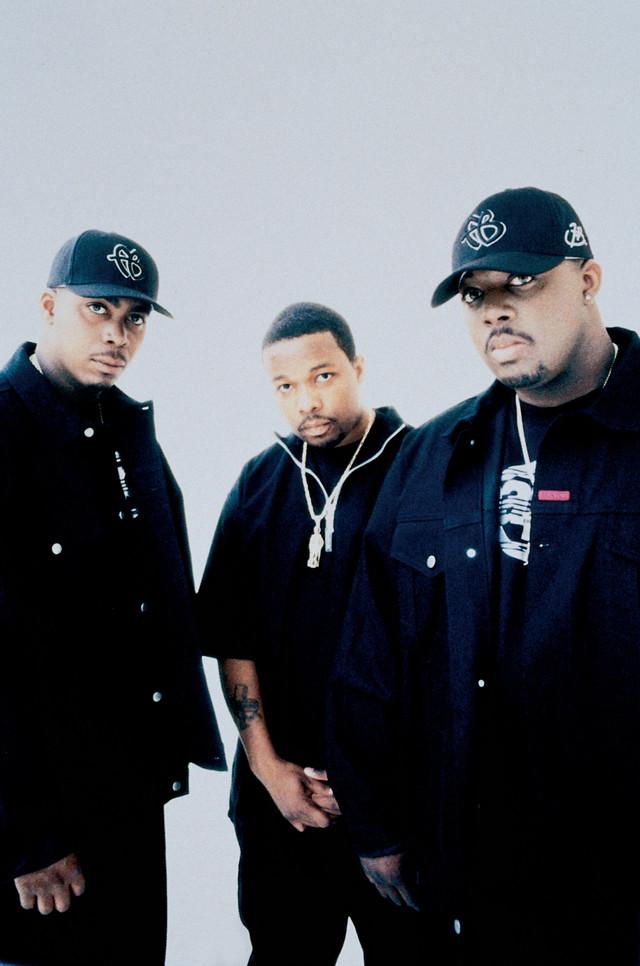
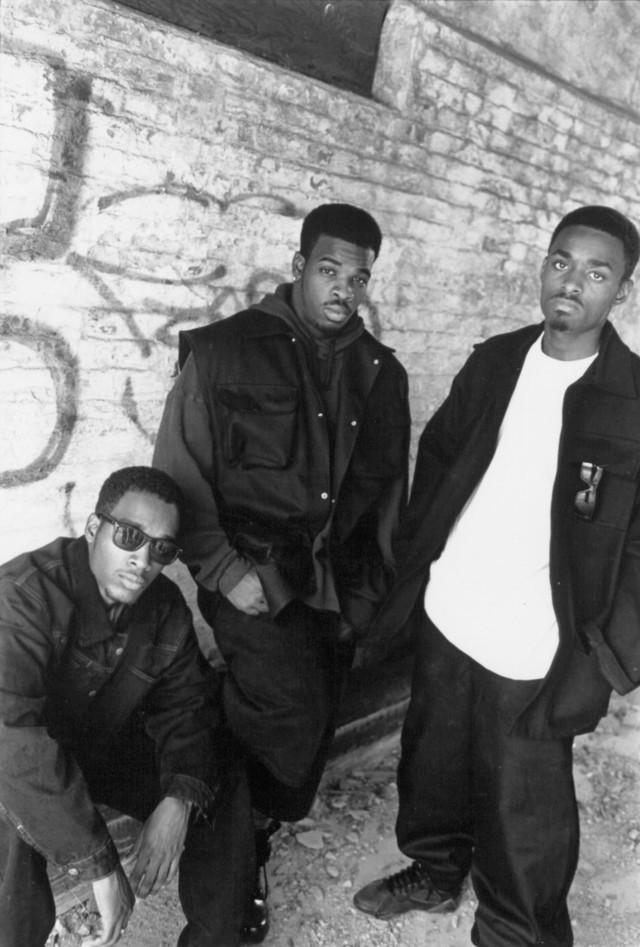
Craig Mack’s Spotify BioAn above-average rapper blessed with a bit of luck and connections as well as talent, Craig Mack practically made Puff Daddy's Bad Boy label with a remix of his 1994 hit "Flava in Ya Ear." Based in Brentwood, Long Island, Mack cut his first single while still a teenager, though nothing came of it. He was working as a go-fer for hometown heroes EPMD when he hooked up with Sean "Puffy" Combs, who offered him a spot on a Mary J. Blige remix in 1992. Impressed, Combs offered him a contract on his Bad Boy label, distributed through Arista. What really sold the LP, however, was a platinum remix of the top single "Flava in Ya Ear." Featuring a parade of East Coast talent -- the Notorious B.I.G., Rampage, LL Cool J, and Busta Rhymes -- it ranked as one of the first posse tracks to go overground in a big way; a Top Ten pop hit, and number one on the rap and dance charts. Mack returned in 1997 (after having severed relations with Combs) with Operation: Get Down, an executive production of… longtime East Coast head Eric B. The album didn't even make the Top 40, and Mack struggled for a contract during the rest of the decade. After recording a few white labels, he returned to Bad Boy with an appearance on Combs' We Invented the Remix LP ("Special Delivery" featuring Ghostface Killah and Keith Murray). After departing Bad Boy, Mack continued recording for his own Mack World Records label after the turn of the millennium. He died in March 2018 at his home in Walterboro, South Carolina; Craig Mack was 47 years old. ~ John Bush, Rovi
Viberate is a music analytics platform built for A&Rs, artist managers, labels, booking agents, marketers, and artists.
It helps music professionals track artist growth, analyze audience data, monitor playlist activity, compare artists, follow song performance, and identify opportunities across the music market.
Public artist pages provide a free preview of selected artist data. Paid plans provide access to deeper analytics, historical data, charts, comparisons, playlist tools, exports, alerts, reports, and additional professional features.
Yes. Public Viberate artist pages provide selected artist analytics and music data for free.
Viberate also offers a 7-day free trial of the full platform. A credit card is required to start the trial. The trial includes access to the complete product so users can test deeper artist analytics, historical views, playlist insights, comparisons, charts, exports, alerts, and reporting features before choosing a paid plan.
Viberate provides artist analytics across streaming, playlists, social media, video, radio airplay, songs, and audience markets.
Users can analyze Spotify performance, Spotify and Apple Music playlists, YouTube activity, TikTok and Instagram growth, radio spins, song performance, audience locations, demographics, rankings, and overall artist momentum.
Artist profiles also connect to music charts, similar artists, and comparison tools, helping users benchmark performance and evaluate artists in context.
Viberate updates key artist and track data daily.
For followed artists and tracks, selected data is refreshed multiple times per day. This helps teams monitor playlist changes, streaming movement, audience growth, releases, and campaign performance with more current data.
Update frequency can vary depending on the metric and data source.
Yes. Viberate lets users compare up to five artists side by side across streaming, social media, audience, and engagement metrics.
Users can compare fanbase growth, audience demographics, locations, Spotify performance, social metrics, and other artist data over selected time periods.
Artist comparison can be used for A&R scouting, benchmarking, booking decisions, campaign planning, and evaluating artists with similar audiences or market positions.