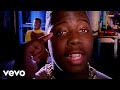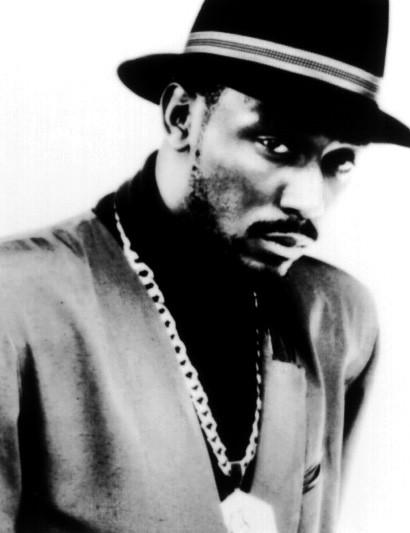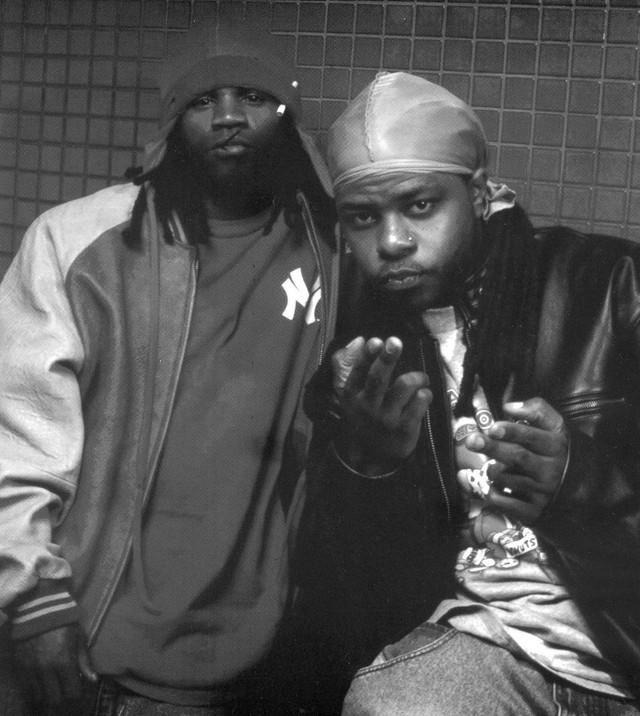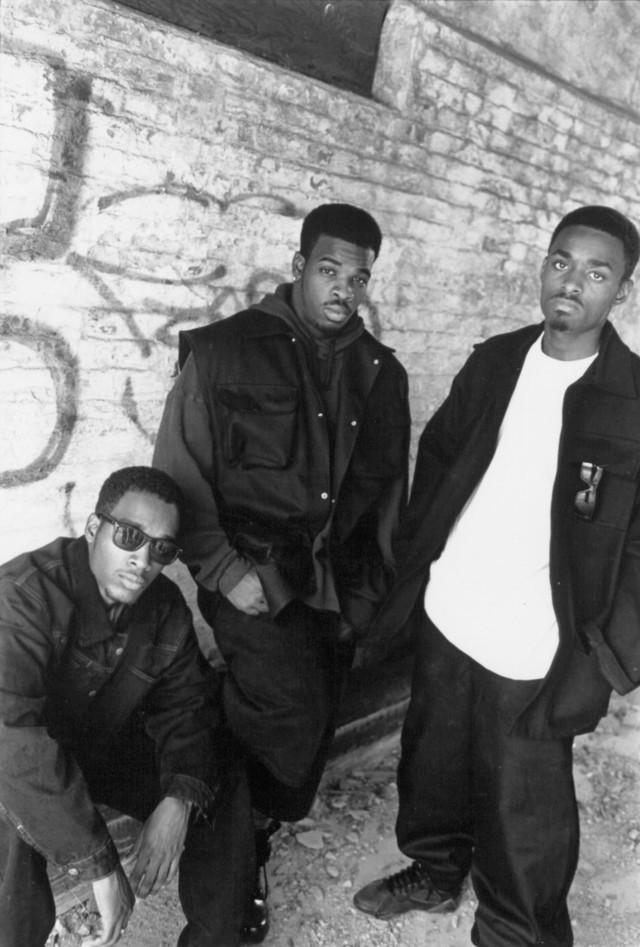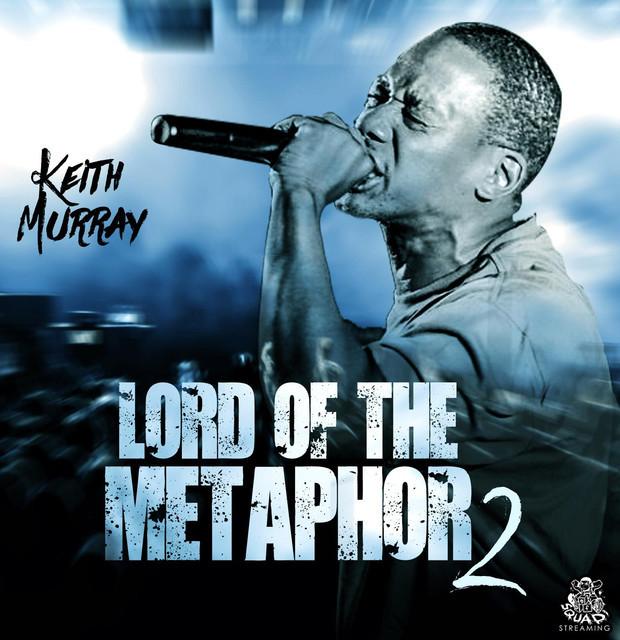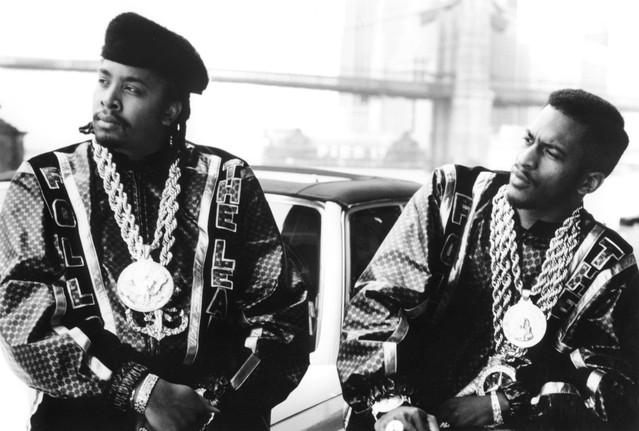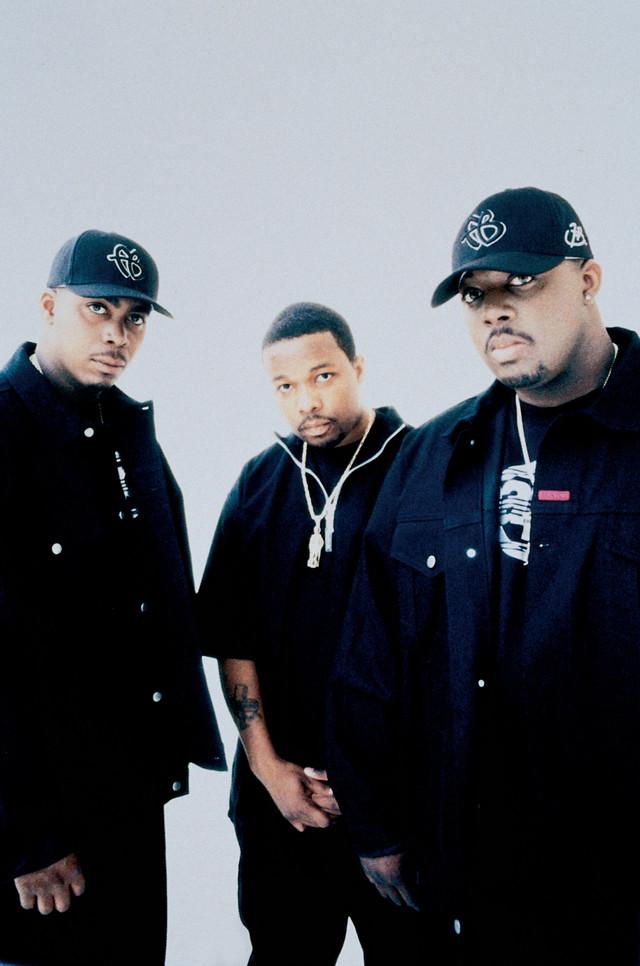
EPMD

Hip Hop
Contemporary Hip Hop
 Viberate Rank: 22832
 Viberate Rank: 22832
 Monthly ListenersFollowers
 Subscribers
 Followers
 Followers
 FansTop Spotify Songs
| Track | 7-Day Streams | |
|---|---|---|
1 | 149.70K | |
2 | 50.64K | |
3 | 36.39K | |
4 | 30.67K | |
5 | 25.26K |
Top YouTube VideosMonthly ListenersFeatured in Playlists| Playlist | Followers | |
|---|---|---|
1 |  Old School Hip Hop Filtr Sweden | 779.30K |
2 |  I Love My '80s Hip-Hop Spotify | 459.54K |
3 |  Fidi & Bumsi Spotify | 353.24K |
4 |  Def Jam 40 - 40 Forward Def Jam Recordings | 255.96K |
5 |  90s Hip Hop Classics Nick Minto | 222.71K |
Audience| City | Monthly Listeners | |
|---|---|---|
1 | | 11.01K |
2 | | 9.30K |
3 |  | 8.25K |
4 |  | 8.07K |
5 |  | 7.70K |
See full performance history, audience data, playlist activity, rankings, comparisons, and more in Viberate music analytics. Start with a free trial, then continue with a paid plan.
EPMD’s Spotify BioOn the surface, the sample-reliant productions and monotone rapping styles of Erick Sermon and Parrish Smith had little to recommend them, but the duo's recordings as EPMD were among the best in hip-hop's underground during the late '80s and early '90s. Over the course of four albums (from the 1988 classic Strictly Business to 1992's Business Never Personal), the group rarely varied from two themes: dissing sucker MCs and recounting sexual exploits. A closer look, however, revealed that the duo's rhymes were nothing less than incredible, simply undervalued due to their lack of intonation during delivery. EPMD also had a feel for a good groove, and created numerous hip-hop classics, including "It's My Thing," "You Gots to Chill," "Get the Bozack," "Strictly Business," and "Rampage."
Though EPMD's hardcore style influenced the urban-oriented gangsta '90s, Erick Sermon (aka E Double E; b. Nov. 25, 1968) and Parrish Smith (aka Pee MD; b. May 13, 1968) were both raised in the Long Island… suburb of Brentwood. They moved into rap separately, with Smith DJing for Rock Squad on a single for the Tommy Boy label. After coming together in 1987 -- at which time they named themselves EPMD, short for "Erick and Parrish Making Dollars" -- they recorded their debut, "It's My Thing," in three hours. The single was later licensed to Chrysalis, and EPMD signed to Sleeping Bag/Fresh Records for the debut album Strictly Business. Propelled by several strong singles (including "You Gots to Chill" and the title track), the album eventually went gold, as did 1989's follow-up, Unfinished Business. Signed to Def Jam by the beginning of the '90s, EPMD returned in 1990 with Business as Usual and Business Never Personal two years later.
By 1992, they presided over an extended family dubbed the Hit Squad, including Redman, K-Solo, and Das EFX. The duo split later that year, however, prompting solo careers for each member; Sermon debuted in 1993 with No Pressure, and Smith made his statement on 1994's Shade Business. The duo then re-formed EPMD in 1997, recording a strong comeback LP named Back in Business. Out of Business followed in 1999, but the rappers continued pursuing their own projects through the late '90s and early 2000s. Both released solo albums, and Sermon partnered with Redman and Keith Murray as part of the Def Squad supergroup. Nevertheless, they also found time to continue performing together as EPMD, and 2008 saw them returning to the studio for We Mean Business. ~ John Bush, Rovi
Viberate is a music analytics platform built for A&Rs, artist managers, labels, booking agents, marketers, and artists.
It helps music professionals track artist growth, analyze audience data, monitor playlist activity, compare artists, follow song performance, and identify opportunities across the music market.
Public artist pages provide a free preview of selected artist data. Paid plans provide access to deeper analytics, historical data, charts, comparisons, playlist tools, exports, alerts, reports, and additional professional features.
Yes. Public Viberate artist pages provide selected artist analytics and music data for free.
Viberate also offers a 7-day free trial of the full platform. A credit card is required to start the trial. The trial includes access to the complete product so users can test deeper artist analytics, historical views, playlist insights, comparisons, charts, exports, alerts, and reporting features before choosing a paid plan.
Viberate provides artist analytics across streaming, playlists, social media, video, radio airplay, songs, and audience markets.
Users can analyze Spotify performance, Spotify and Apple Music playlists, YouTube activity, TikTok and Instagram growth, radio spins, song performance, audience locations, demographics, rankings, and overall artist momentum.
Artist profiles also connect to music charts, similar artists, and comparison tools, helping users benchmark performance and evaluate artists in context.
Viberate updates key artist and track data daily.
For followed artists and tracks, selected data is refreshed multiple times per day. This helps teams monitor playlist changes, streaming movement, audience growth, releases, and campaign performance with more current data.
Update frequency can vary depending on the metric and data source.
Yes. Viberate lets users compare up to five artists side by side across streaming, social media, audience, and engagement metrics.
Users can compare fanbase growth, audience demographics, locations, Spotify performance, social metrics, and other artist data over selected time periods.
Artist comparison can be used for A&R scouting, benchmarking, booking decisions, campaign planning, and evaluating artists with similar audiences or market positions.