Method Man

Hip Hop
Contemporary Hip Hop
 Viberate Rank: 1642
 Viberate Rank: 1642
 Monthly ListenersFollowers
 Subscribers
 Followers
 Followers
 FansTop Spotify Songs
| Track | 7-Day Streams | |
|---|---|---|
1 | 1.81M | |
2 | 403.38K | |
3 | 292.54K | |
4 | 289.27K | |
5 | 280.54K |
Top YouTube Videos| Video | 7-Day Views | |
|---|---|---|
1 | 741.40K | |
2 | 461.04K | |
3 | 198.54K | |
4 | 183.03K | |
5 | 176.64K |
Monthly ListenersFeatured in Playlists| Playlist | Followers | |
|---|---|---|
1 |  I Love My '90s Hip-Hop Spotify | 9.39M |
2 |  New Music Friday Spotify | 4.66M |
3 |  Throwback Jams Spotify | 2.82M |
4 |  Old School Hip-Hop House Party Spotify | 1.82M |
5 |  Spilled Ink Spotify | 1.55M |
Audience| City | Monthly Listeners | |
|---|---|---|
1 |  | 55.51K |
2 | | 51.15K |
3 | | 45.70K |
4 |  | 42.48K |
5 |  | 41.23K |
See full performance history, audience data, playlist activity, rankings, comparisons, and more in Viberate music analytics. Start with a free trial, then continue with a paid plan.
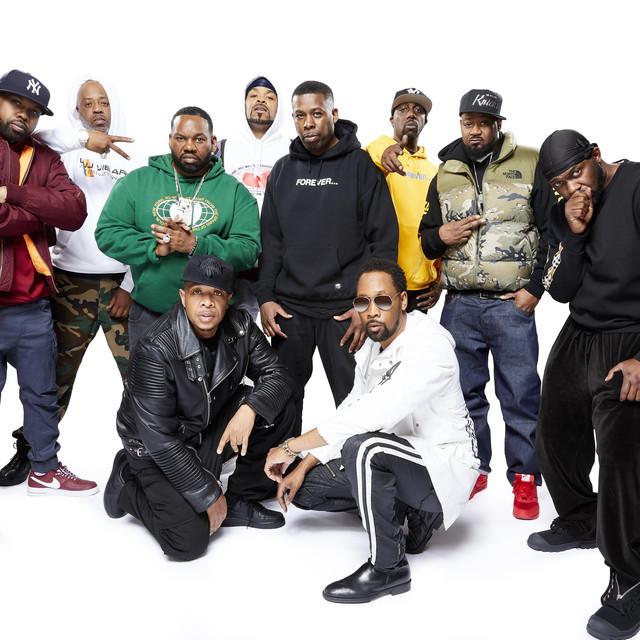
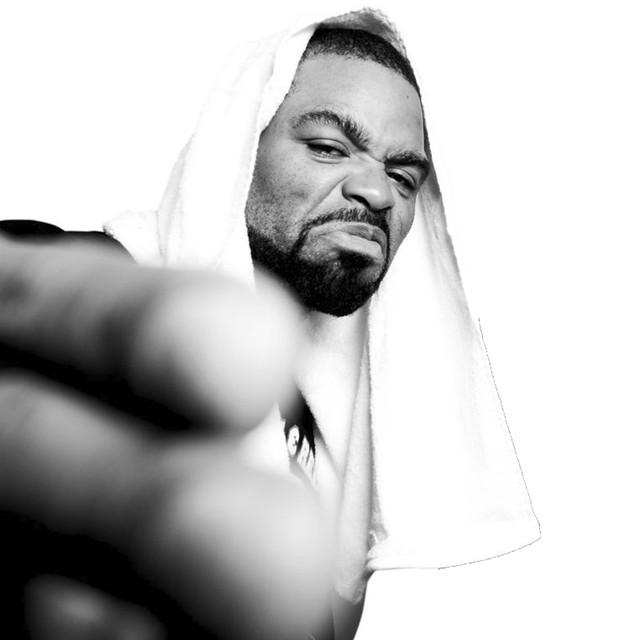
Method Man’s Spotify BioWith his steady flow, gravelly bellow, and imaginative rhymes, Method Man became the first solo breakout star from influential '90s rap crew Wu-Tang Clan, releasing a series of Top Ten albums, including his 1994 debut Tical, home to his Grammy-winning duet with Mary J. Blige, "I'll Be There for You/You're All I Need to Get By." In addition to his solo work, he also formed a duo with Redman, issuing a pair of hit Blackout! albums in 1999 and 2009. From the late '90s and into the 2000s, he also juggled a successful acting career, starring in films such as Belly (1998), How High (2001), Keanu (2016), and Shaft (2019), as well as television shows including The Wire, CSI, Law & Order, and Fear the Walking Dead.
Born Clifford Smith on April 1, 1971 in Hempsted, Long Island, he split his childhood between his father's Long Island residence and his mother's Staten Island home. It was the latter locale where he met his future Wu-Tang cohorts RZA, Genius/GZA, and Ol' Dirty Bastard; when they set… about forming a hip-hop collective in the early '90s, Method Man was one of the first to sign on. Meth was heavily featured on the group's classic late 1993 debut, Enter the Wu-Tang (36 Chambers), even getting his own showcase track with "Method Man," which certainly put him out front in terms of name recognition. Thanks to the Wu's innovative contract -- which allowed individual members to sign solo deals with whatever label they chose -- Method Man inked a contract with Def Jam, and in 1994, approximately one year after Enter the Wu-Tang's release, he became the first Wu member to release a solo album, Tical. Highly anticipated, the album entered the charts at number four and quickly went platinum, while singles like "Bring the Pain" (which just missed the pop Top 40) and "Release Yo' Delf" made him an even bigger name in the hip-hop community. He began making numerous guest appearances on other artists' records, and in the summer of 1995, his one-off single with Mary J. Blige, "I'll Be There for You/You're All I Need to Get By," soared into the pop Top Five, giving Meth his first major mainstream exposure. Shortly thereafter, another duet -- this time with Def Jam labelmate Redman -- on the compilation track "How High," climbed into the pop Top 20.
Wu-Tang Clan reconvened in 1997 for the double-album Wu-Tang Forever, and about a year later, another round of solo projects commenced. Method Man issued his sophomore effort, Tical 2000: Judgement Day (ironically), in late 1998 and took a more expansive approach this time out, filling the album with between-song skits and a variety of guest rappers and producers. Tical 2000 was another hit, entering the charts at number two. Meanwhile, in addition to recording the album, Meth had spent much of 1998 getting his acting career off the ground; after landing a few bit parts, he made his first prominent big-screen appearance in Hype Williams' Belly. In 1999, Meth partnered up with Redman to form a duo act that hit the road with Jay-Z's Hard Knock Life tour; they also entered the studio together to record the collaborative album Blackout!, which entered the charts at number three that fall and received highly complimentary reviews.
The Wu returned in late 2000 with the lower-profile The W. After completing the record, Meth refocused on his acting career; in early 2001, he put in a month's worth of appearances portraying a young gangster on HBO's gritty prison drama Oz and teamed up with Redman for the Cheech & Chong-styled stoner comedy How High, which hit theaters toward the end of the year, around the same time as the fourth Wu-Tang album, Iron Flag. After numerous delays, the MC released his third solo album, Tical 0: The Prequel, in 2004. He allegedly finished off 20 tracks with RZA as the producer, but Def Jam opted to release a version that featured only one of those cuts. In 2006, Meth issued 4:21...The Day After, which featured appearances from many Wu-Tang members, including a posthumous verse from ODB. A steady stream of mixtapes, live albums, and concert videos appeared before Method reunited with Redman for the 2009 album Blackout!, Vol. 2.
In 2013 -- after years spent acting on various television shows and movies including The Good Wife and Red Tails -- he reunited with Wu-Tang for the single "Family Reunion." The following year saw the release of the group's album A Better Tomorrow. He signed with Tommy Boy for the 2015 solo album The Meth Lab, which peaked just outside the Top 50 of the Billboard 200. He took another break to focus on acting, starring in Blue Bloods, Luke Cage, The Defenders, and The Deuce, returning to the mike in 2018 for a collaboration with electronic dance act the Knocks, "Goodbyes." Late that year, sixth solo album Meth Lab II: The Lithium arrived after some minor delays. The lengthy album found Meth in top form and good company, with features from hip-hop mainstays like Snoop Dogg, Raekwon, Redman, Cappadonna, and many others. ~ Steve Huey & Neil Z. Yeung, Rovi
Viberate is a music analytics platform built for A&Rs, artist managers, labels, booking agents, marketers, and artists.
It helps music professionals track artist growth, analyze audience data, monitor playlist activity, compare artists, follow song performance, and identify opportunities across the music market.
Public artist pages provide a free preview of selected artist data. Paid plans provide access to deeper analytics, historical data, charts, comparisons, playlist tools, exports, alerts, reports, and additional professional features.
Yes. Public Viberate artist pages provide selected artist analytics and music data for free.
Viberate also offers a 7-day free trial of the full platform. A credit card is required to start the trial. The trial includes access to the complete product so users can test deeper artist analytics, historical views, playlist insights, comparisons, charts, exports, alerts, and reporting features before choosing a paid plan.
Viberate provides artist analytics across streaming, playlists, social media, video, radio airplay, songs, and audience markets.
Users can analyze Spotify performance, Spotify and Apple Music playlists, YouTube activity, TikTok and Instagram growth, radio spins, song performance, audience locations, demographics, rankings, and overall artist momentum.
Artist profiles also connect to music charts, similar artists, and comparison tools, helping users benchmark performance and evaluate artists in context.
Viberate updates key artist and track data daily.
For followed artists and tracks, selected data is refreshed multiple times per day. This helps teams monitor playlist changes, streaming movement, audience growth, releases, and campaign performance with more current data.
Update frequency can vary depending on the metric and data source.
Yes. Viberate lets users compare up to five artists side by side across streaming, social media, audience, and engagement metrics.
Users can compare fanbase growth, audience demographics, locations, Spotify performance, social metrics, and other artist data over selected time periods.
Artist comparison can be used for A&R scouting, benchmarking, booking decisions, campaign planning, and evaluating artists with similar audiences or market positions.