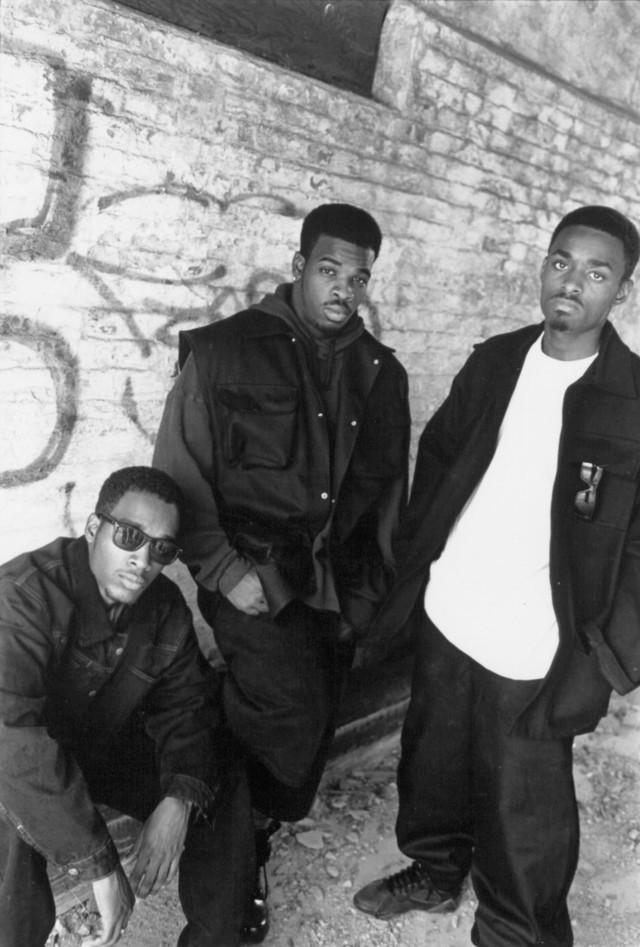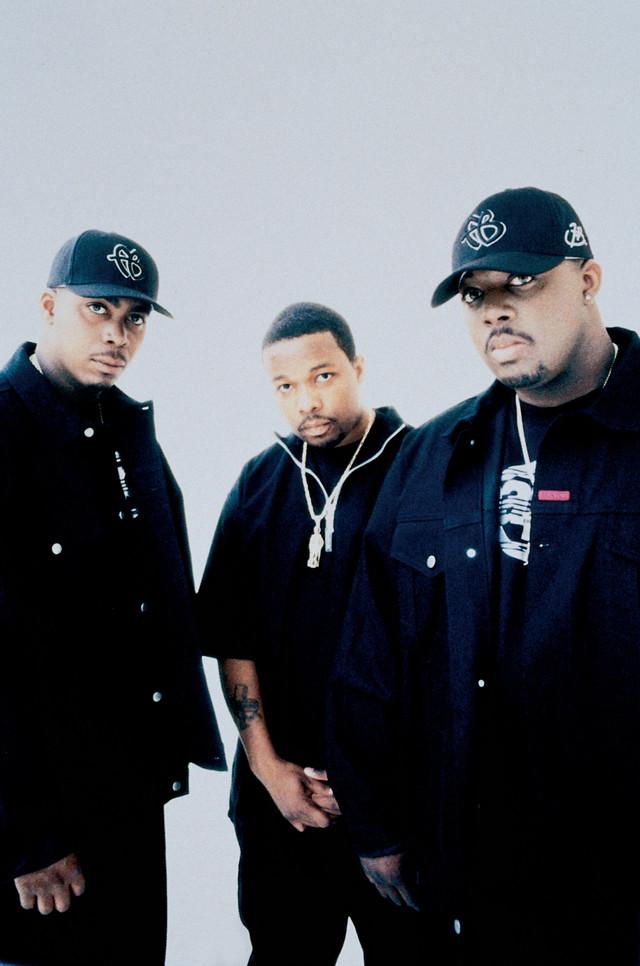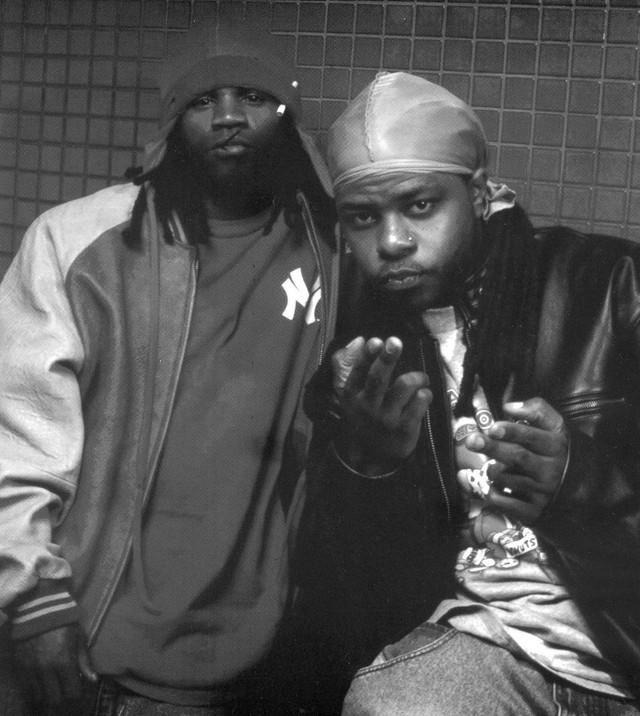
Das EFX

Hip Hop
Contemporary Hip Hop
 Viberate Rank: 15833
 Viberate Rank: 15833
 Monthly ListenersFollowers
 Subscribers
 Followers
 Followers
 FansTop Spotify Songs
| Track | 7-Day Streams | |
|---|---|---|
1 | 631.29K | |
2 | 463.03K | |
3 | 463.03K | |
4 | 71.29K | |
5 | 67.50K |
Top YouTube VideosMonthly ListenersFeatured in Playlists| Playlist | Followers | |
|---|---|---|
1 |  I Love My '90s Hip-Hop Spotify | 9.39M |
2 |  West Coast Classics Spotify | 1.04M |
3 |  Old School Hip Hop Filtr Sweden | 779.30K |
4 |  Best 90s rap songs💸 Elsaa | 422.57K |
5 | 90s Hip Hop Party Ridgway | 311.83K |
Audience| City | Monthly Listeners | |
|---|---|---|
1 |  | 9.52K |
2 |  | 7.01K |
3 |  | 6.72K |
4 | | 5.71K |
5 |  | 5.27K |
See full performance history, audience data, playlist activity, rankings, comparisons, and more in Viberate music analytics. Start with a free trial, then continue with a paid plan.
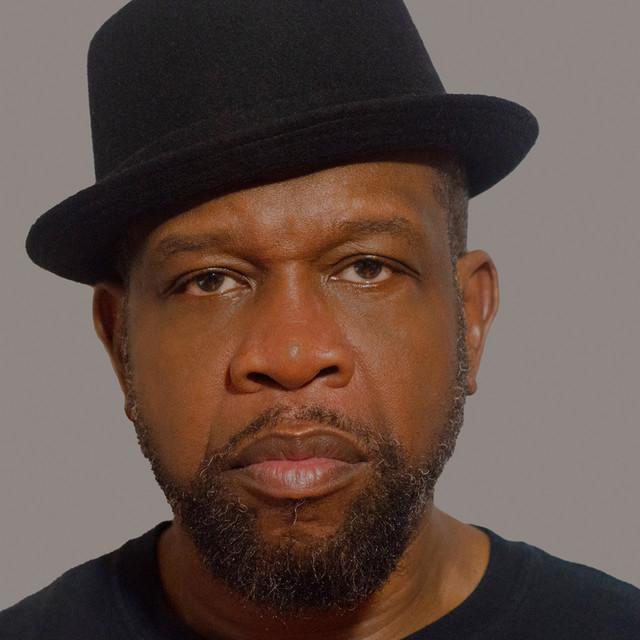
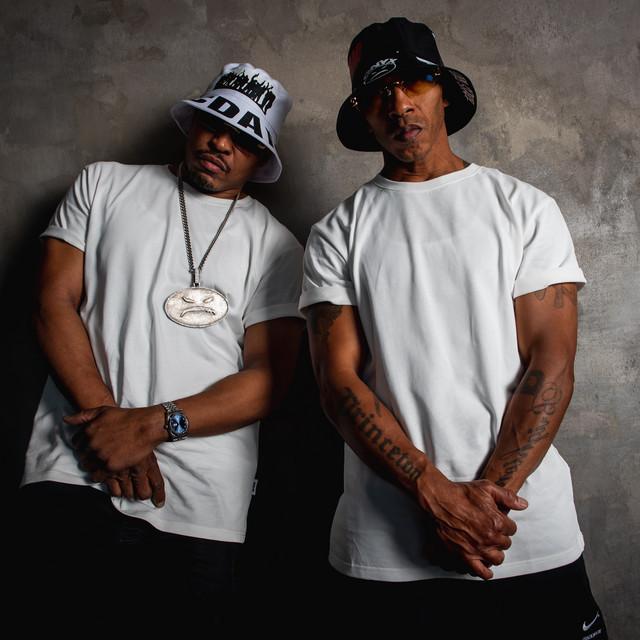
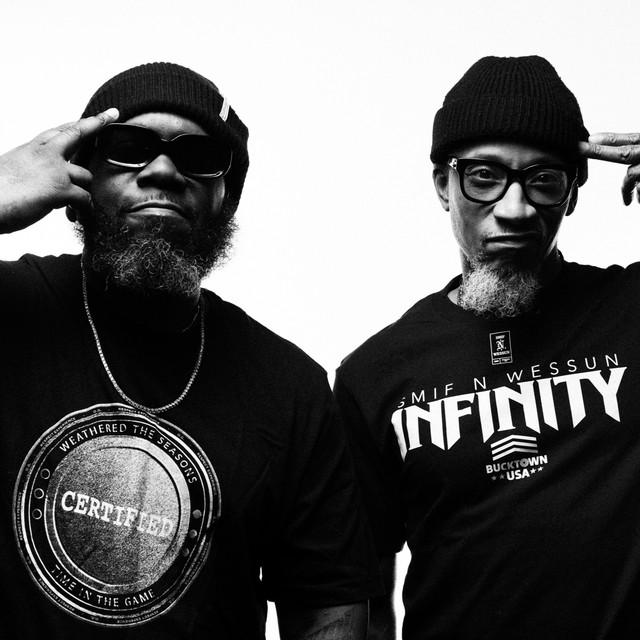
Das EFX’s Spotify BioDas EFX's wildly playful, rapid-fire stuttering -- dense with rhymes and nonsense words -- was one of the most distinctive and influential lyrical styles in early-'90s hip-hop. While the duo completely rewrote the MC rule book, they themselves were increasingly pegged as a one-dimensional novelty the longer their career progressed, despite watching elements of their style creep into countless rappers' bags of tricks. Krazy Drazyz (born Andre Weston; Teaneck, NJ) and Skoob (born Willie Hines) were both raised in Brooklyn, but didn't begin performing together until they met at Virginia State University in 1988. Removed from an active music scene, the two were free to develop their most idiosyncratic tendencies; they started making up gibberish words (anything ending in "-iggity" was a favorite) that added loads of extra syllables to their lines, and wove plenty of pop-cultural references into the tongue-twisting lyrical gymnastics that resulted. Das EFX caught their big break when they… performed at a talent show judged by EPMD; though they didn't win, EPMD was impressed enough to offer them a deal, and the duo became part of the Def Squad crew of protégés.
Signing to the East West label, Das EFX began work on their debut album, commuting between Virginia and New York and mailing tapes to EPMD (then touring the country) for guidance. Upon its release in 1992, Dead Serious caused an immediate sensation, and is still considered something of a landmark in hip-hop circles. The first single, the instantly memorable signature song "They Want EFX," was a Top 40 pop hit and a Top Ten R&B hit, and helped push sales of Dead Serious past the platinum mark. Wary of being pigeonholed by repeating themselves, the duo slowed down their lyrical flow and downplayed the surrealistic side of their interplay on the follow-up album, 1993's Straight Up Sewaside, which went gold. Around the time of 1995's disappointing Hold It Down, Das EFX found themselves caught in the middle of EPMD's ugly breakup; it led to a three-year absence from recording. By the time they returned in 1998 with Generation EFX, the group was playing more to a devoted but narrower cult audience; they have remained largely silent since. ~ Steve Huey, Rovi
Viberate is a music analytics platform built for A&Rs, artist managers, labels, booking agents, marketers, and artists.
It helps music professionals track artist growth, analyze audience data, monitor playlist activity, compare artists, follow song performance, and identify opportunities across the music market.
Public artist pages provide a free preview of selected artist data. Paid plans provide access to deeper analytics, historical data, charts, comparisons, playlist tools, exports, alerts, reports, and additional professional features.
Yes. Public Viberate artist pages provide selected artist analytics and music data for free.
Viberate also offers a 7-day free trial of the full platform. A credit card is required to start the trial. The trial includes access to the complete product so users can test deeper artist analytics, historical views, playlist insights, comparisons, charts, exports, alerts, and reporting features before choosing a paid plan.
Viberate provides artist analytics across streaming, playlists, social media, video, radio airplay, songs, and audience markets.
Users can analyze Spotify performance, Spotify and Apple Music playlists, YouTube activity, TikTok and Instagram growth, radio spins, song performance, audience locations, demographics, rankings, and overall artist momentum.
Artist profiles also connect to music charts, similar artists, and comparison tools, helping users benchmark performance and evaluate artists in context.
Viberate updates key artist and track data daily.
For followed artists and tracks, selected data is refreshed multiple times per day. This helps teams monitor playlist changes, streaming movement, audience growth, releases, and campaign performance with more current data.
Update frequency can vary depending on the metric and data source.
Yes. Viberate lets users compare up to five artists side by side across streaming, social media, audience, and engagement metrics.
Users can compare fanbase growth, audience demographics, locations, Spotify performance, social metrics, and other artist data over selected time periods.
Artist comparison can be used for A&R scouting, benchmarking, booking decisions, campaign planning, and evaluating artists with similar audiences or market positions.