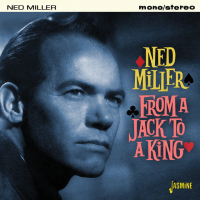
Ned Miller

Country
Contemporary Country
Americana/Alt Country
 Viberate Rank: 37945
 Viberate Rank: 37945
 Monthly ListenersFollowers
 Subscribers
 Followers
 Followers
 FansTop Spotify Songs
| Track | 7-Day Streams | |
|---|---|---|
1 | 31.08K | |
2 | 7.19K | |
3 | 2.91K | |
4 | 2.82K | |
5 | 2.82K |
Top YouTube VideosMonthly ListenersFeatured in Playlists| Playlist | Followers | |
|---|---|---|
1 |  The Crown Official Playlist Spotify | 38.56K |
2 | Goude oude jaren 60/70 tinymath | 18.04K |
3 | Jaren 60 en 70 teuntje60 | 17.65K |
4 |  50s & 60s Country Hits Logan McClure | 8.94K |
5 | Country Classics 1950's to 1970's Marcia Black | 8.14K |
Audience| City | Monthly Listeners | |
|---|---|---|
1 |  | 712 |
2 | | 644 |
3 | | 585 |
4 |  | 391 |
5 | | 389 |
See full performance history, audience data, playlist activity, rankings, comparisons, and more in Viberate music analytics. Start with a free trial, then continue with a paid plan.
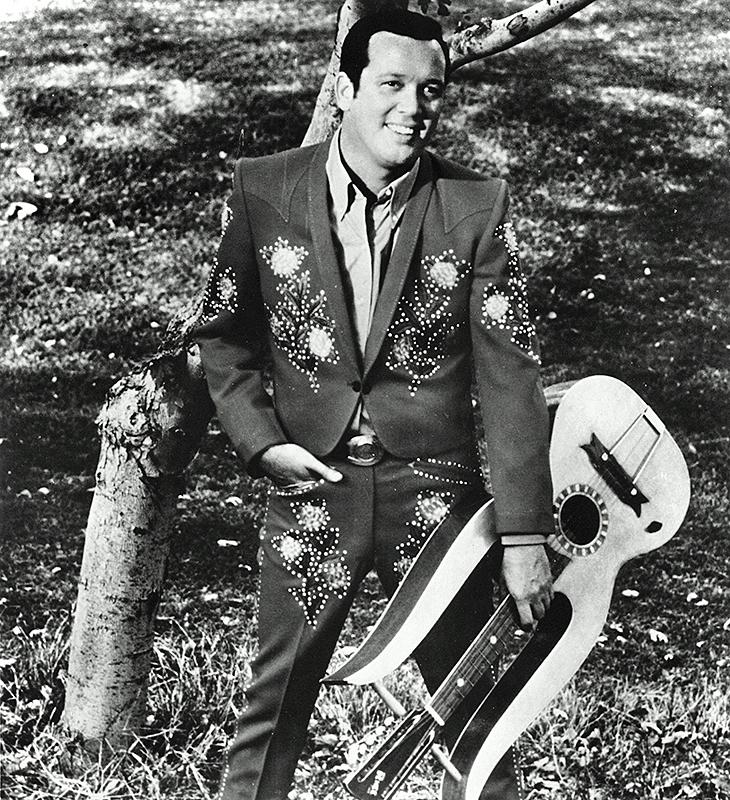
Ned Miller’s Spotify BioWhile Ned Miller was best known for his international 1962 hit "From a Jack to a King," during the 1960s he had 11 chart hits and made it to the pop charts three times. Miller was born in Raines, Utah, and started writing songs and singing at local parties and on the radio when he was only 16. After his discharge from the Marines, he worked at several jobs before moving to California in 1956 to become a full-time songwriter. The following year, singer Gale Storm scored a Top Five hit with his song "Dark Moon"; Bonnie Guitar also had a hit with the composition, and both continued to record Miller's songs. He began his own recording career in 1957 for the Fabor label, issuing "From a Jack to a King" as his debut single. Later that year, he released "Roll O Rollin' Stone," again without much notice. In 1962, following a short detour to Capitol Records, Miller persuaded the Fabor label to re-release his prior version of "From a Jack to a King"; this time, the single soared to the Top Three… on the country chart and the Top Ten on the pop chart, and even made it to number two on the British pop charts. The following year, Miller scored two Top 30 hits, "One Among the Many" and "Another Fool Like Me." In 1965 he had another Top Ten hit, "Do What You Do Do Well," which later provided success for Ernest Tubb; Miller's version also crossed over to the Top 60 on the pop chart. Later that year, he returned to Capitol. Songs he wrote or co-wrote with his wife Susan also found chart success for other artists, among them Gale Storm's "Love by the Juke Box Light," Faron Young's "Safely in Love Again," Porter Wagoner's "Your Kind of People," and Hank Snow's "The Man Behind the Gun." Miller faded into obscurity after the 1960s, but decades later Ricky Van Shelton recorded "From a Jack to a King" and had a number one hit. ~ Sandra Brennan, Rovi
Viberate is a music analytics platform built for A&Rs, artist managers, labels, booking agents, marketers, and artists.
It helps music professionals track artist growth, analyze audience data, monitor playlist activity, compare artists, follow song performance, and identify opportunities across the music market.
Public artist pages provide a free preview of selected artist data. Paid plans provide access to deeper analytics, historical data, charts, comparisons, playlist tools, exports, alerts, reports, and additional professional features.
Yes. Public Viberate artist pages provide selected artist analytics and music data for free.
Viberate also offers a 7-day free trial of the full platform. A credit card is required to start the trial. The trial includes access to the complete product so users can test deeper artist analytics, historical views, playlist insights, comparisons, charts, exports, alerts, and reporting features before choosing a paid plan.
Viberate provides artist analytics across streaming, playlists, social media, video, radio airplay, songs, and audience markets.
Users can analyze Spotify performance, Spotify and Apple Music playlists, YouTube activity, TikTok and Instagram growth, radio spins, song performance, audience locations, demographics, rankings, and overall artist momentum.
Artist profiles also connect to music charts, similar artists, and comparison tools, helping users benchmark performance and evaluate artists in context.
Viberate updates key artist and track data daily.
For followed artists and tracks, selected data is refreshed multiple times per day. This helps teams monitor playlist changes, streaming movement, audience growth, releases, and campaign performance with more current data.
Update frequency can vary depending on the metric and data source.
Yes. Viberate lets users compare up to five artists side by side across streaming, social media, audience, and engagement metrics.
Users can compare fanbase growth, audience demographics, locations, Spotify performance, social metrics, and other artist data over selected time periods.
Artist comparison can be used for A&R scouting, benchmarking, booking decisions, campaign planning, and evaluating artists with similar audiences or market positions.