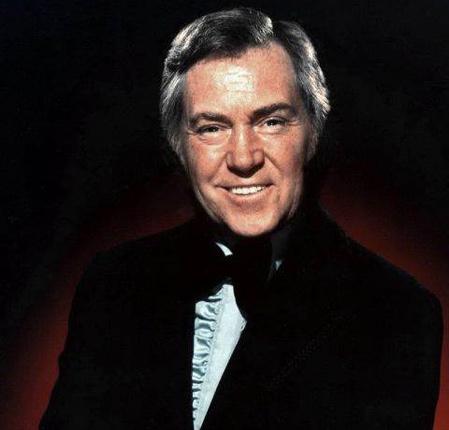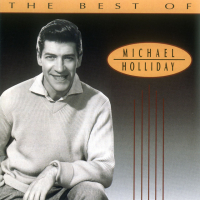
michael holliday

Pop
Mainstream Pop
Smooth Jazz
 Viberate Rank: 141092
 Viberate Rank: 141092
 Monthly ListenersFollowers
 Subscribers
 Followers
 Followers
 FansTop Spotify Songs
| Track | 7-Day Streams | |
|---|---|---|
1 | 10.06K | |
2 | 2.36K | |
3 | 2.36K | |
4 | 2.36K | |
5 | 2.36K |
Top YouTube VideosMonthly ListenersFeatured in Playlists| Playlist | Followers | |
|---|---|---|
1 |  50s Love Songs Spotify | 320.28K |
2 |  Easy 50s Spotify | 179.42K |
3 |  Every Official UK Number 1 Ever Official Charts | 33.96K |
4 |  Burt Bacharach - 50 Greatest Songs Nathan | 19.44K |
5 | Fallout 76 Radio Expanded Neale Christopher Zeringue | 16.78K |
Audience| City | Monthly Listeners | |
|---|---|---|
1 | | 1.06K |
2 |  | 811 |
3 | | 797 |
4 | | 563 |
5 | | 540 |
See full performance history, audience data, playlist activity, rankings, comparisons, and more in Viberate music analytics. Start with a free trial, then continue with a paid plan.
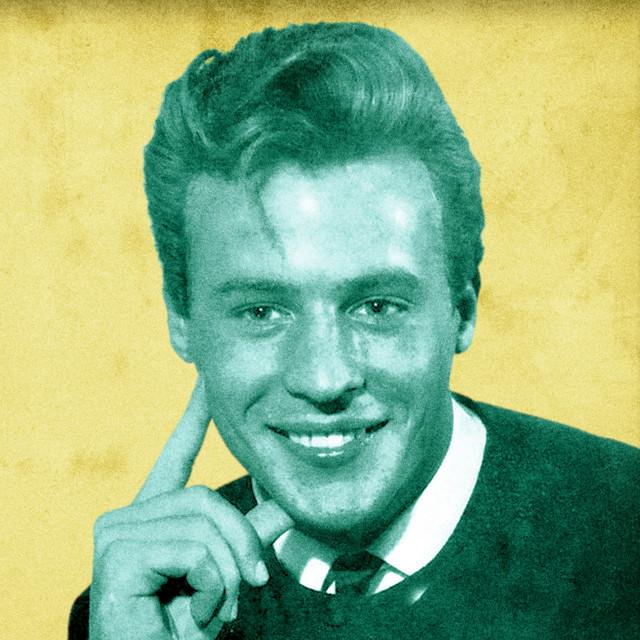
michael holliday’s Spotify BioMichael Holliday emerged as a singing star in late-'50s England, at approximately the same time that Lonnie Donegan, Cliff Richard, and Billy Fury began tearing up the U.K. charts, but he couldn't have represented a more different brand of music. For four years, from 1956 through 1960, Holliday bade fair to be England's top male singing star, with a smooth, pleasing baritone singing style that was often compared to Bing Crosby.
He was born Michael Milne in Liverpool in 1928 and never considered music as a career. It was during a stint as a merchant seaman in the late '40s that he discovered his talent for entertaining, mostly in front of his shipmates. Fate took a hand when he landed in New York and won a talent competition at Radio City Music Hall. Upon his return to England, he secured his release from the merchant service and decided to become a singer. He took the name Michael Holliday and was hired as a singer and guitarist with the Eric Winstone Band. In 1955, he was signed as a… solo artist to EMI's Columbia label by producer Norrie Paramor.
Holliday enjoyed modest successes with his covers of "Yellow Rose of Texas" and "Sixteen Tons." "Nothin' to Do" was his first Top 30 hit, in March of 1956, and he made the Top 20 with the double-sided hit of "The Gal With Yeller Shoes" and "Hot Diggity (Dog Ziggity)" later that same year. Holliday's chart action for the next year was relatively modest, his covers of songs such as "Love Is Strange," "Four Walls," and "Old Cape Cod" performing unexceptionally. At the end of 1957, however, he recorded an early Burt Bacharach/Hal David composition called "The Story of My Life," which had already been a hit in America for Marty Robbins, which soared to number one in England in a 15-week ride on the charts, overcoming three competing British versions. Holliday also showed an unexpected ability as a composer, getting one of his own songs onto the B-side. With his soothing vocal style and good looks, Holliday seemed a natural for a screen career, but apart from an acting role in Val Guest's comedy Life Is a Circus, he never tried for a big-screen career. On television, however, he was a regular guest on variety programs, as well as singing the title theme from Gerry Anderson's series Four Feathers Fall. He also had his own program, called (appropriately enough) Relax With Mike. He enjoyed further modest hits with "In Love" and "I'll Always Be in Love With You" and once again soared on the U.K. charts with "Stairway of Love," a 13-week entry that hit number three. "Starry Eyed" was another number one hit for Holliday in 1960 and he had more success with his recordings of "Little Boy Lost" and Hoagy Carmichael's "Skylark." All of these songs were done in a smooth, soothing style of crooning, almost a throwback to the 1940s and very beguiling to adult listeners seeking an alternative to the skiffle and rock & roll sounds that their children were listening to. Holliday's albums seemed aimed at those older listeners -- he recorded five LPs between 1958 and 1962, all of which were far more steeped in nostalgia than his singles, most of which (apart from "Skylark") were covers of contemporary songs.
Holliday's chart entries ended after 1960, but his success up to that point was self-sustaining. He was a popular television and stage entertainer and always bidded fair for a comeback.
His private life, however, was apparently as unsettled as his public persona seemed smooth and relaxed. At the end of October of 1963, the British entertainment world was shocked by the news that Michael Holliday had died suddenly in a hospital in Croydon, by an apparent drug overdose. EMI's Columbia Records released a tribute album in his memory, featuring the top vocal stars on the label, and posthumous singles by Holliday appeared through 1964. Michael Holliday was a stylistic anachronism from the outset of his career. He stood in stark defiance of the changes that were taking place in music around him (and what he made of his fellow Liverpudlians the Beatles during the final ten months of his life is anyone's guess). His voice had a seductive power that, at its best, cut across cultural lines and is difficult to deny even a half-century after his passing. EMI has released three separate CD compilations of Holliday's best recordings and even See For Miles Records has issued a CD collection of its own devoted to his recordings. ~ Bruce Eder, Rovi
Viberate is a music analytics platform built for A&Rs, artist managers, labels, booking agents, marketers, and artists.
It helps music professionals track artist growth, analyze audience data, monitor playlist activity, compare artists, follow song performance, and identify opportunities across the music market.
Public artist pages provide a free preview of selected artist data. Paid plans provide access to deeper analytics, historical data, charts, comparisons, playlist tools, exports, alerts, reports, and additional professional features.
Yes. Public Viberate artist pages provide selected artist analytics and music data for free.
Viberate also offers a 7-day free trial of the full platform. A credit card is required to start the trial. The trial includes access to the complete product so users can test deeper artist analytics, historical views, playlist insights, comparisons, charts, exports, alerts, and reporting features before choosing a paid plan.
Viberate provides artist analytics across streaming, playlists, social media, video, radio airplay, songs, and audience markets.
Users can analyze Spotify performance, Spotify and Apple Music playlists, YouTube activity, TikTok and Instagram growth, radio spins, song performance, audience locations, demographics, rankings, and overall artist momentum.
Artist profiles also connect to music charts, similar artists, and comparison tools, helping users benchmark performance and evaluate artists in context.
Viberate updates key artist and track data daily.
For followed artists and tracks, selected data is refreshed multiple times per day. This helps teams monitor playlist changes, streaming movement, audience growth, releases, and campaign performance with more current data.
Update frequency can vary depending on the metric and data source.
Yes. Viberate lets users compare up to five artists side by side across streaming, social media, audience, and engagement metrics.
Users can compare fanbase growth, audience demographics, locations, Spotify performance, social metrics, and other artist data over selected time periods.
Artist comparison can be used for A&R scouting, benchmarking, booking decisions, campaign planning, and evaluating artists with similar audiences or market positions.