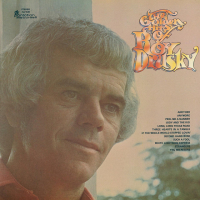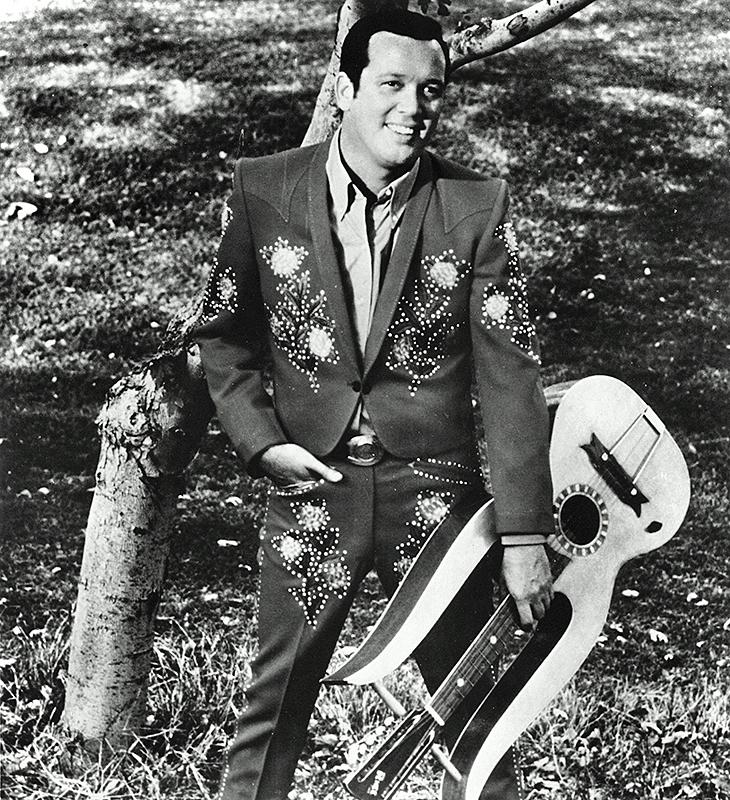
Jerry Wallace

Country
Contemporary Country
Smooth Jazz
 Viberate Rank: 176741
 Viberate Rank: 176741
 Monthly ListenersFollowers
 Subscribers
 Followers
 Followers
 FansTop Spotify Songs
| Track | 7-Day Streams | |
|---|---|---|
1 | 6.21K | |
2 | 4.04K | |
3 | 3.14K | |
4 | 3.14K | |
5 | 2.03K |
Top YouTube VideosMonthly ListenersFeatured in Playlists| Playlist | Followers | |
|---|---|---|
1 |  The Ranch - Netflix Soundtrack Excelsior Recordings | 75.92K |
2 |  Essential Classics Essential Classics | 31.39K |
3 |  JoJo's Bizarre Playlist: Battle References milesfreakingedgeworth | 26.67K |
4 |  Rockabilly Peter Karlsson | 13.32K |
5 |  Smokey and the Bandit (Original Soundtrack) kitt_nord | 4.85K |
Audience| City | Monthly Listeners | |
|---|---|---|
1 |  | 539 |
2 | | 532 |
3 | | 421 |
4 | | 277 |
5 |  | 215 |
See full performance history, audience data, playlist activity, rankings, comparisons, and more in Viberate music analytics. Start with a free trial, then continue with a paid plan.
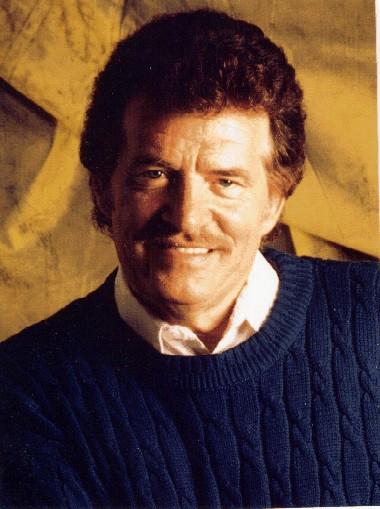
Jerry Wallace’s Spotify BioDubbed "Mr. Smooth" for his warm, velvety vocal approach, Jerry Wallace scored a pair of pop smashes during the late '50s before enjoying even greater commercial success as a country singer. Born in Guilford, MO, on December 15, 1928, Wallace was the son of a grocery store owner. After a brief stay in Arizona he settled in Hollywood, and following a U.S. Navy stint he signed to the Allied label to cut a series of little-noticed singles including "Little Miss One," "That's What a Woman Can Do," and "Runnin' After Love." Upon signing to the Challenger label, Wallace notched a Top 20 pop hit via 1958's "How the Time Flies," followed a year later by the million-selling "Primrose Lane." However, his pop career quickly stalled, and for a time he focused on his acting career, appearing in two 1964 features, Flipper's New Adventure and Goodbye Charlie. That same year Wallace scored minor hits with "Shutters and Boards" and "In the Misty Moonlight," singles that heralded the beginning of his… shift to the country market. A move to Mercury Records accelerated the transformation, although follow-ups like "Life's Gone and Slipped Away" and "Sweet Child of Sunshine" earned scant attention from Nashville radio.
With his Nat King Cole-inspired croon, Wallace was nevertheless a natural fit with the dominant country-pop ethos, and upon signing to Decca in 1970 he scored a Top 30 country hit with "After You" -- 1972's crossover smash "To Get to You" earned a Single of the Year nomination from the Country Music Association, and with "If You Leave Me Tonight I'll Cry" (prominently featured in an episode of the Rod Serling television series Night Gallery) he topped the country charts. Wallace also reached number two with "Do You Know What It's Like to Be Lonesome," and subsequent hits like "Don't Give Up on Me," "My Wife's House," "I Wonder Whose Baby (You Are Now)," and "Comin' Home to You" kept him at the forefront of country radio playlists during the mid-'70s. Protracted litigation against his management derailed his commercial momentum, however, and he began hopscotching from label to label in a failed attempt to jump-start his career. The 1980 single "If I Could Set My Love to Music" proved his final chart entry, and outside of the occasional live performance he spent the remainder of his life outside the public eye. Wallace died of congestive heart failure in Corona, CA, on May 5, 2008. ~ Jason Ankeny, Rovi
Viberate is a music analytics platform built for A&Rs, artist managers, labels, booking agents, marketers, and artists.
It helps music professionals track artist growth, analyze audience data, monitor playlist activity, compare artists, follow song performance, and identify opportunities across the music market.
Public artist pages provide a free preview of selected artist data. Paid plans provide access to deeper analytics, historical data, charts, comparisons, playlist tools, exports, alerts, reports, and additional professional features.
Yes. Public Viberate artist pages provide selected artist analytics and music data for free.
Viberate also offers a 7-day free trial of the full platform. A credit card is required to start the trial. The trial includes access to the complete product so users can test deeper artist analytics, historical views, playlist insights, comparisons, charts, exports, alerts, and reporting features before choosing a paid plan.
Viberate provides artist analytics across streaming, playlists, social media, video, radio airplay, songs, and audience markets.
Users can analyze Spotify performance, Spotify and Apple Music playlists, YouTube activity, TikTok and Instagram growth, radio spins, song performance, audience locations, demographics, rankings, and overall artist momentum.
Artist profiles also connect to music charts, similar artists, and comparison tools, helping users benchmark performance and evaluate artists in context.
Viberate updates key artist and track data daily.
For followed artists and tracks, selected data is refreshed multiple times per day. This helps teams monitor playlist changes, streaming movement, audience growth, releases, and campaign performance with more current data.
Update frequency can vary depending on the metric and data source.
Yes. Viberate lets users compare up to five artists side by side across streaming, social media, audience, and engagement metrics.
Users can compare fanbase growth, audience demographics, locations, Spotify performance, social metrics, and other artist data over selected time periods.
Artist comparison can be used for A&R scouting, benchmarking, booking decisions, campaign planning, and evaluating artists with similar audiences or market positions.