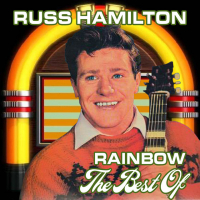
Russ Hamilton

Pop
Mainstream Pop
Pop Rock
 Viberate Rank: 296114
 Viberate Rank: 296114
 Monthly ListenersFollowers
 Subscribers
 Followers
 Followers
 FansTop Spotify Songs
| Track | 7-Day Streams | |
|---|---|---|
1 | 838 | |
2 | 727 | |
3 | 727 | |
4 | 727 | |
5 | 727 |
Top YouTube VideosMonthly ListenersFeatured in Playlists| Playlist | Followers | |
|---|---|---|
1 |  1950s hits (300) mervynvankuyen | 24.29K |
2 |  Written By Priscilla Renea Spotify | 4.64K |
3 | Musica de los 50 y 60 en Inglés 31nykaj362vlw6mr3juha7tnvec4 | 3.15K |
4 | 1950s hits (300) Marguerite Maggy | 1.59K |
5 |  RADIO 620, LA MUSICA QUE LLEGO PARA QUEDARSE 💟Yurifher🕉️ | 1.38K |
Audience| City | Monthly Listeners | |
|---|---|---|
1 |  | 154 |
2 |  | 87 |
3 |  | 84 |
4 | | 75 |
5 | | 60 |
See full performance history, audience data, playlist activity, rankings, comparisons, and more in Viberate music analytics. Start with a free trial, then continue with a paid plan.
Russ Hamilton’s Spotify BioRuss Hamilton was a singer/songwriter of the late '50s who tasted brief chart success in both the U.K. and the U.S. with different sides of the same record. He was born Ronald Hulme in Liverpool on January 29, 1932, and made his first tentative steps in show business as a Butlins Redcoat entertainer. He and a few other staff put together a skiffle group, and after completing his national service, he cut his first disc, the teen ballad "We Will Make Love," which climbed to number two in the summer of 1957. Surprisingly, it was the B-side, "Rainbow," that proved the more popular song in the U.S., and led to a situation where he was called to promote two different records simultaneously in different countries. Unusual as it was at the time for British performers to crack the U.S. charts, he divided his time between Britain and America and maintained his links with the holiday camp scene, performing live on-stage one week and then back at Butlins the following week. In Britain, he followed… "We Will Make Love" with the similar song "Wedding Ring," and never troubled the charts again. Equally the case, he never managed to consolidate his success in the U.S., and "Rainbow" was his one and only hit record. By 1960 he had signed with MGM Records in Nashville, but none of his recordings sold well enough to chart. ~ Sharon Mawer, Rovi
Viberate is a music analytics platform built for A&Rs, artist managers, labels, booking agents, marketers, and artists.
It helps music professionals track artist growth, analyze audience data, monitor playlist activity, compare artists, follow song performance, and identify opportunities across the music market.
Public artist pages provide a free preview of selected artist data. Paid plans provide access to deeper analytics, historical data, charts, comparisons, playlist tools, exports, alerts, reports, and additional professional features.
Yes. Public Viberate artist pages provide selected artist analytics and music data for free.
Viberate also offers a 7-day free trial of the full platform. A credit card is required to start the trial. The trial includes access to the complete product so users can test deeper artist analytics, historical views, playlist insights, comparisons, charts, exports, alerts, and reporting features before choosing a paid plan.
Viberate provides artist analytics across streaming, playlists, social media, video, radio airplay, songs, and audience markets.
Users can analyze Spotify performance, Spotify and Apple Music playlists, YouTube activity, TikTok and Instagram growth, radio spins, song performance, audience locations, demographics, rankings, and overall artist momentum.
Artist profiles also connect to music charts, similar artists, and comparison tools, helping users benchmark performance and evaluate artists in context.
Viberate updates key artist and track data daily.
For followed artists and tracks, selected data is refreshed multiple times per day. This helps teams monitor playlist changes, streaming movement, audience growth, releases, and campaign performance with more current data.
Update frequency can vary depending on the metric and data source.
Yes. Viberate lets users compare up to five artists side by side across streaming, social media, audience, and engagement metrics.
Users can compare fanbase growth, audience demographics, locations, Spotify performance, social metrics, and other artist data over selected time periods.
Artist comparison can be used for A&R scouting, benchmarking, booking decisions, campaign planning, and evaluating artists with similar audiences or market positions.